Europe Heatwave Economic Impact Mounts as Wildfires, Droughts, and Energy Cuts Strain Continent

Md.Moshail Ahmed
August 10, 2026

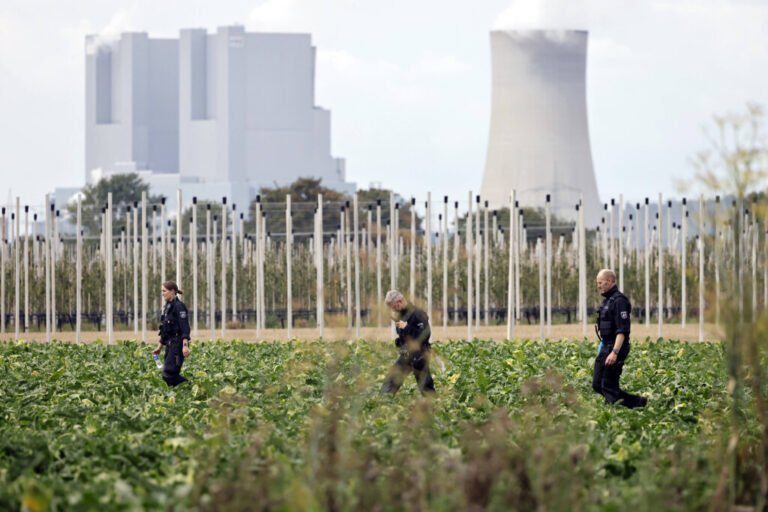
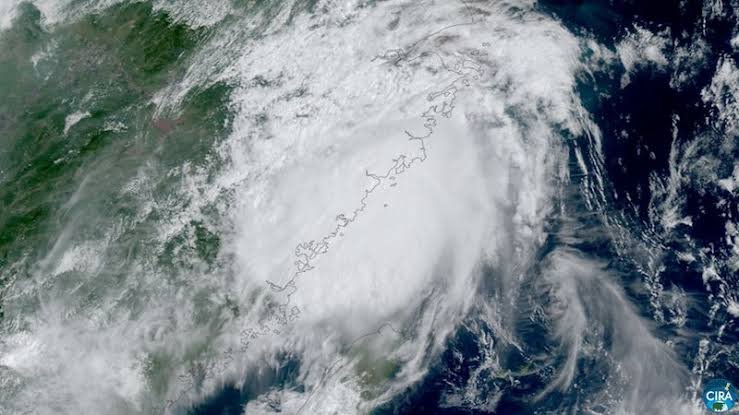
The Europe heatwave economic impact is mounting rapidly as compounding weather extremes—including record heat, severe droughts, and widespread wildfires—cost the continent hundreds of billions of euros across key sectors. Temperatures topping 40°C across central, southern, and eastern Europe have sharply reduced water levels on primary commercial waterways like the Rhine and Danube rivers. Consequently, river cargo capacity has fallen, crop yield forecasts have been slashed, and over a half-dozen nuclear power plants were forced to throttle or halt generation due to overheating cooling waters.
Key Sectors Driving the Europe Heatwave Economic Impact
Logistical choke points along major European rivers have severely disrupted cargo movements for essential commodities such as grain, coal, and chemicals. Analysis published byModern Diplomacyindicates that Rhine transit limitations alone could reduce Germany’s annual GDP growth by 0.3 percentage points. Simultaneously, thermal cooling constraints forced nuclear plants in France and central Europe to curtail electricity output to prevent ecological damage to overheated rivers.
Compounding Climate Disruption Sequence
(Sequential impacts of concurrent extreme weather events across Europe)
↓
Extreme Temperatures & Soil Evaporation
(Record heatwaves dry out river systems and deplete agricultural soil moisture)
↓
Infrastructure & Energy Bottlenecks
(Low river levels restrict Rhine barge traffic while nuclear plants cut output due to thermal limits)
↓
Agricultural Yield Drops & Cost Escalation
(Summer crop forecasts fall by 6–7% as emergency response and firefighting expenditures surge)
Agriculture has suffered widespread losses. According to theEU Joint Research Centre, yield projections for summer crops such as grain maize and sunflowers were revised downward by 6% to 7% due to prolonged heat and depleted soil moisture.
“What makes 2026 particularly worrying from an economic perspective is that there are multiple episodes of extreme events… take heatwaves, droughts, wildfires… these events are taking place at the same time and mostly in the same regions, compounding their impact.”
—Sehrish Usman, Economist at the University of Mannheim, quoted byVoice of Nigeria
Long-Term Financial Pressures and Inflation Risks
The combined economic toll extends well beyond immediate structural damage. As reported byYnetnews, climate-related natural disasters and extreme heat across European Union nations have generated hundreds of billions of euros in direct and indirect losses in recent years. Research fromWorld Weather Attributionunderscores that human-induced climate change supercharged atmospheric evaporation, making severe summer droughts significantly more frequent and intense across western and eastern Europe. Furthermore, report details fromDaily Sabahshow that emergency firefighting costs, reduced worker productivity, and heat-related public health burdens are stretching national budgets.
| Economic Sector | Recorded Impact & Operational Strain | Primary Regional Effects |
| River Freight & Logistics | Rhine & Danube water levels drop; barge cargo loads restricted. | Up to 0.3% GDP drag in Germany; commodity transport costs rise. |
| Energy Generation | Over half a dozen nuclear reactors throttled or shut down. | Power generation cuts in France, Moldova, and Central Europe. |
| Agriculture & Food | Maize and sunflower harvest estimates cut by 6–7%. | Premature crop ripening; food price inflation pressures. |
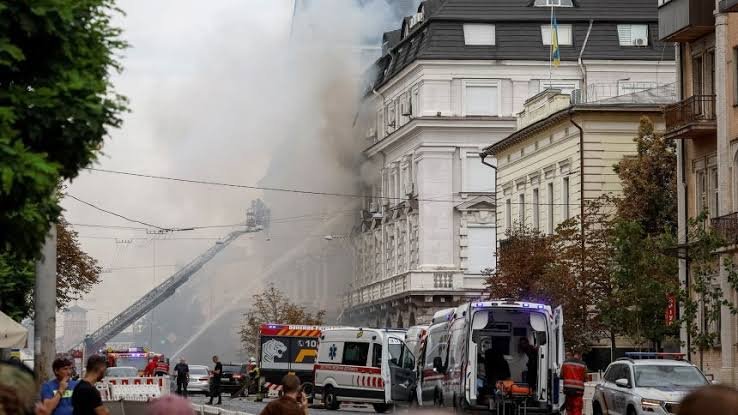
| Wildfire & Emergency Services | Tens of thousands of hectares burned across Spain and France. | Billions spent in emergency response and community evacuations. |
As economists warn that weather shocks are no longer isolated incidents, European governments are shifting focus from short-term emergency responses toward long-term infrastructure adaptation. With reduced crop yields adding to grocery prices and freight bottlenecks raising supply chain costs, the economic consequences of this summer’s extreme weather will continue affecting European growth for years to come.
Sources
- Voice of Nigeria– Europe’s Record Heatwaves Trigger Huge Economic Losses
- Modern Diplomacy– How Is Climate Change Hitting Europe’s Economy?
- EU Joint Research Centre– Heatwaves impact summer and winter crops
- Ynetnews– Europe’s heat crisis is pushing its economy to the brink
- World Weather Attribution– Increasingly hot Europe faces more severe droughts
- Daily Sabah– This summer shows climate change’s cost to Europe already here


More