Israel Threatens ‘Devastating’ Multi-Wave Attacks If Iran Blocks Ships in Strait of Hormuz After War Ends

Jubayer Alam
June 28, 2026
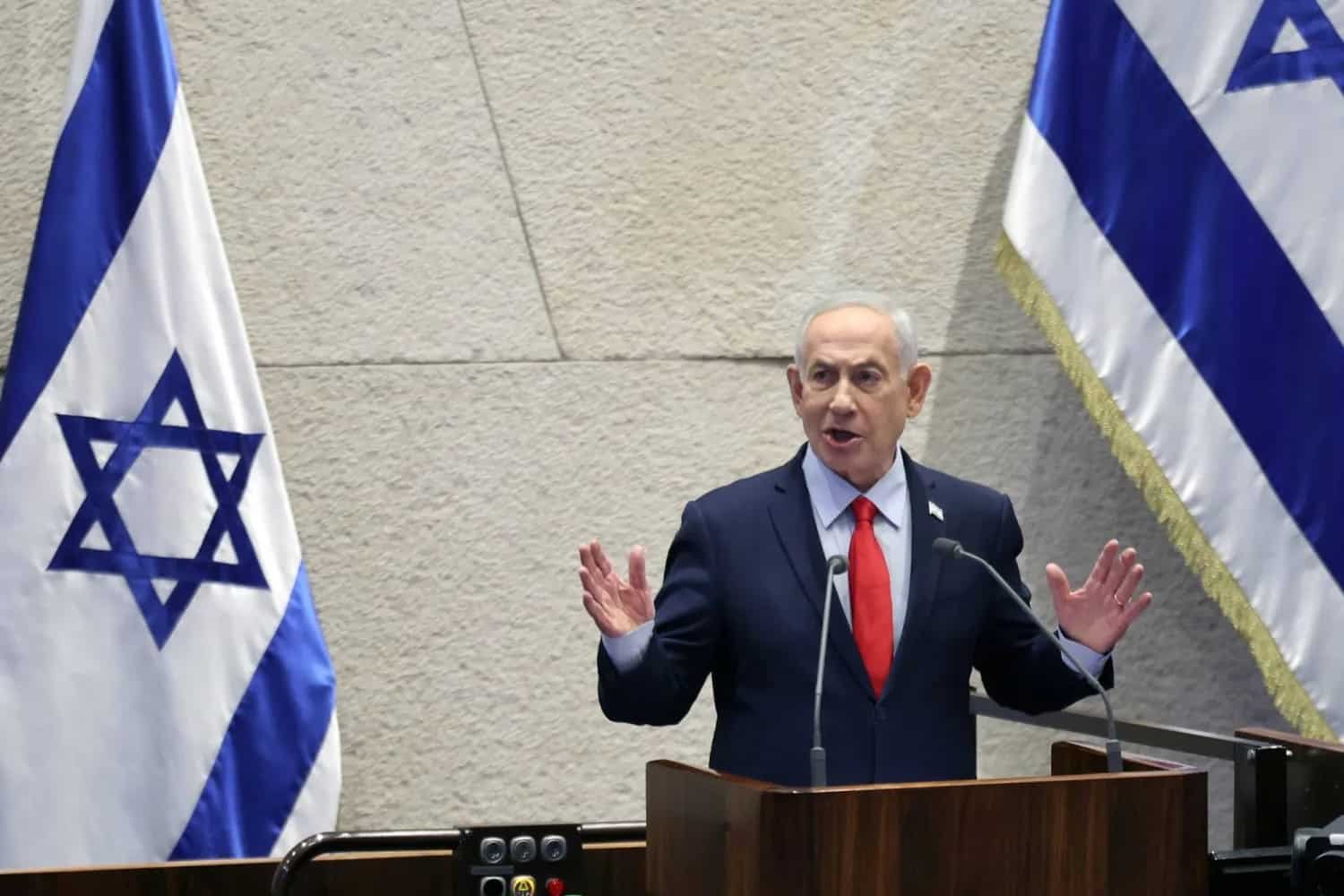
JERUSALEM — The Prime Minister of Israel issued a fiery, zero-tolerance ultimatum directly to Tehran today, dramatically escalating regional tensions as the current West Asia conflict teeters on a fragile diplomatic precipice.
The Prime Minister explicitly announced that Israel will launch immediate, overwhelming military strikes against Iran if Iranian forces block Israeli-linked commercial vessels from navigating the strategic Strait of Hormuz, even after the current war officially concludes.
The Israeli leader warned that any restriction on freedom of navigation through the world’s most vital maritime chokepoint will trigger an immediate declaration of war. He explicitly promised that these incoming retaliatory strikes will inflict far more devastating destruction on the Islamic Republic than any previous military operations.
The warning directly follows a weekend of intense geopolitical instability, where a series of tit-for-tat drone strikes and missile exchanges threatened to destroy a newly signed United States-Iran Memorandum of Understanding (MoU).
Direct Ultimatum to Tehran Sparks Global Alarm
Speaking from a secure military installation in Tel Aviv, the Prime Minister delivered his speech with absolute clarity. He bypassed traditional diplomatic channels to issue a direct warning to Iran’s Supreme Leader and the Islamic Revolutionary Guard Corps (IRGC).
“We establish a clear and immutable red line today,” the Prime Minister declared. “Israel will never allow Iran to use the Strait of Hormuz as a geopolitical cage or an economic weapon against our nation. If Tehran denies a single Israeli ship passage through those international waters, they will face the full, unbridled might of the Israel Defense Forces.”
The Prime Minister emphasized that a formal conclusion to the current regional war will not shield Iran from Israeli retribution. He noted that the Israeli Air Force and long-range missile networks stand ready to execute a comprehensive campaign targeting Iran’s core infrastructure.
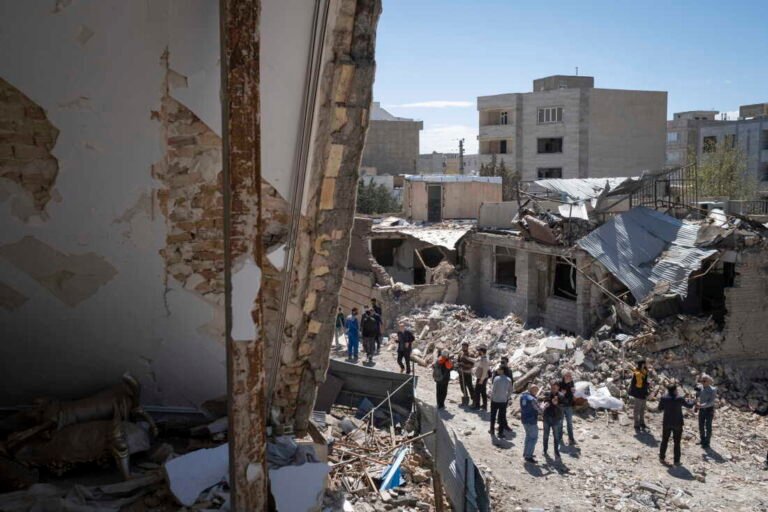
“Do not mistake our willingness to engage in ceasefire discussions for weakness,” the Prime Minister warned. “The previous strikes that crippled your radar defense systems and drone factories merely offered a glimpse of our capabilities. If you disrupt our shipping routes after this war, our next response will permanently dismantle your entire military apparatus.”
Crisis Deepens Over the Strait of Hormuz
The Israeli leader’s explosive statement lands at a moments-notice transition point in the conflict. Just days ago, international mediators praised a regional breakthrough after Israel, Lebanon, and the United States signed a comprehensive trilateral framework agreement to halt hostilities along the northern border. Concurrently, separate U.S.-Iran negotiations sought to permanently reopen the Strait of Hormuz to global shipping.
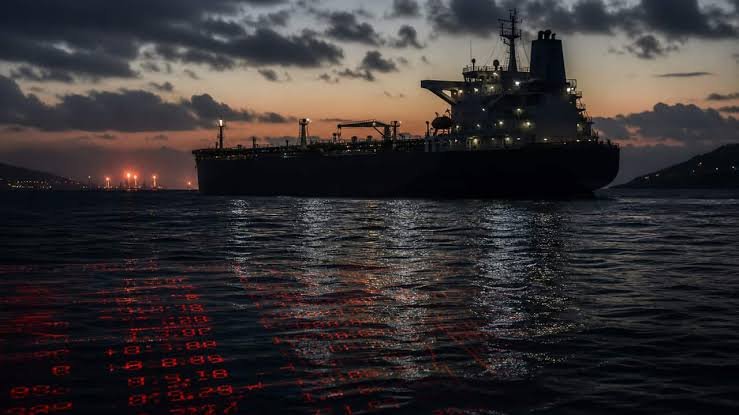
However, control over the narrow waterway remains a fierce sticking point. Over the last 48 hours, the IRGC Navy issued public warnings demanding that all commercial vessels coordinate directly with Iranian coastal authorities rather than utilizing alternative safe routes proposed along the Omani coast.
Iran’s de facto blockade of the strait—through which a fifth of global oil supplies traditionally pass—has already triggered a massive international energy crisis. The Prime Minister’s speech indicates that Israel views the maritime corridor as an absolute security priority that transcends any ongoing diplomatic deals between Washington and Tehran.
Israeli defense officials back the Prime Minister’s firm stance. Intelligence reports suggest that Iran is actively attempting to leverage its geographic position to force regional Gulf states into a security framework that excludes Western powers. By threatening immediate, overwhelming war, Israel aims to break Iran’s maritime leverage before Tehran codifies control over the shipping lanes.
Military Commanders Prepare Far-Reaching Strike Plans
Behind the scenes, the Israeli military establishment has already updated its operational checklists to match the Prime Minister’s mandate. Senior defense sources confirm that the IDF has mapped out specific targets across Iranian territory, focusing heavily on assets that directly threaten maritime traffic and national sovereignty.
If Iran triggers the red line, Israeli strategic planners intend to target:
- Coastal Missile Batteries: Anti-ship missile sites located along Qeshm Island and the port city of Sirik, which currently threaten commercial vessels.
- Command and Control Hubs: IRGC naval headquarters in Bandar Abbas that coordinate drone launches and fast-attack craft raids.
- Deep-Inland Industrial Facilities: Drone assembly factories and ballistic missile storage complexes that supply Iran’s proxy network.
- Energy Infrastructure: Strategic oil refineries and loading terminals that fuel Iran’s domestic economy.
Military analysts stress that the Prime Minister’s specific use of the word “devastating” signals a shift away from precision, localized retaliation toward a doctrine of total structural deterrence. Israel intends to show that the economic cost of a blockade will pale in comparison to the structural ruin Iran will suffer.
High Stakes for the Fragile West Asia Ceasefire
The threat completely upends delicate diplomatic maneuvering orchestrating by global superpowers. United States officials have spent weeks trying to preserve an interim understanding with Tehran to keep international waters open. Over the weekend, U.S. forces carried out targeted strikes on Iranian radar installations after a drone struck a Singapore-flagged cargo ship.
The Prime Minister’s announcement complicates these international efforts by introducing a permanent trigger for war that operates independently of U.S. policy. Even if Washington reaches a long-term understanding with Iran regarding American or European vessels, Israel reserves the right to strike unilaterally to defend its own shipping interests.
This firm policy enjoys strong backing domestically. Recent public opinion polls across Israel reveal that an overwhelming majority of citizens support a hardline security policy against Iran and its regional proxies. Most voters express deep skepticism toward international ceasefire agreements, believing that only overwhelming military deterrence can guarantee long-term national security.
Tehran Warns of a Crushing Response
Unsurprisingly, the Prime Minister’s speech provoked an immediate, hostile reaction from the Iranian regime. In a state television broadcast flowing the announcement, Iranian military spokesmen denounced the Israeli statement as an illegal threat of aggression that violates international law.
The IRGC issued its own counter-warning, claiming that any violation of Iranian territorial waters or airspace will meet an immediate, “crushing response” that will set the entire region ablaze. Iranian diplomats maintain that as a dominant coastal state, Iran possesses the legal authority to regulate traffic passing through the Strait of Hormuz to ensure its own national defense.
Furthermore, Iran warned neighboring Gulf states against allowing foreign militaries to utilize local bases to launch attacks against Iranian soil. This cross-threat has sent shockwaves through regional capitals, as countries like Kuwait and Bahrain brace for potential fallout if the conflict reignites.
What Happens Next?
As the international community watches anxiously, the ultimate fate of the region hinges on whether diplomacy can resolve the maritime dispute before the current war officially winds down. Shipping companies around the world have already paused transit operations through the region, waiting to see if international naval coalitions can guarantee safe passage.
The United Nations Security Council has called for an emergency session to address the escalating rhetoric, fearing that a single miscalculation in the Strait of Hormuz could trigger a global economic collapse and an uncontrollable multi-national war.
For now, Israel’s message remains clear, uncompromising, and highly public. The Prime Minister has placed the ball squarely in Iran’s court: permit free passage for Israeli vessels, or prepare for a military campaign that will alter the face of the region forever.



More