France Records Around 1,000 Deaths as Brutal Heatwave Shatters European Records

Jubayer Alam
June 29, 2026
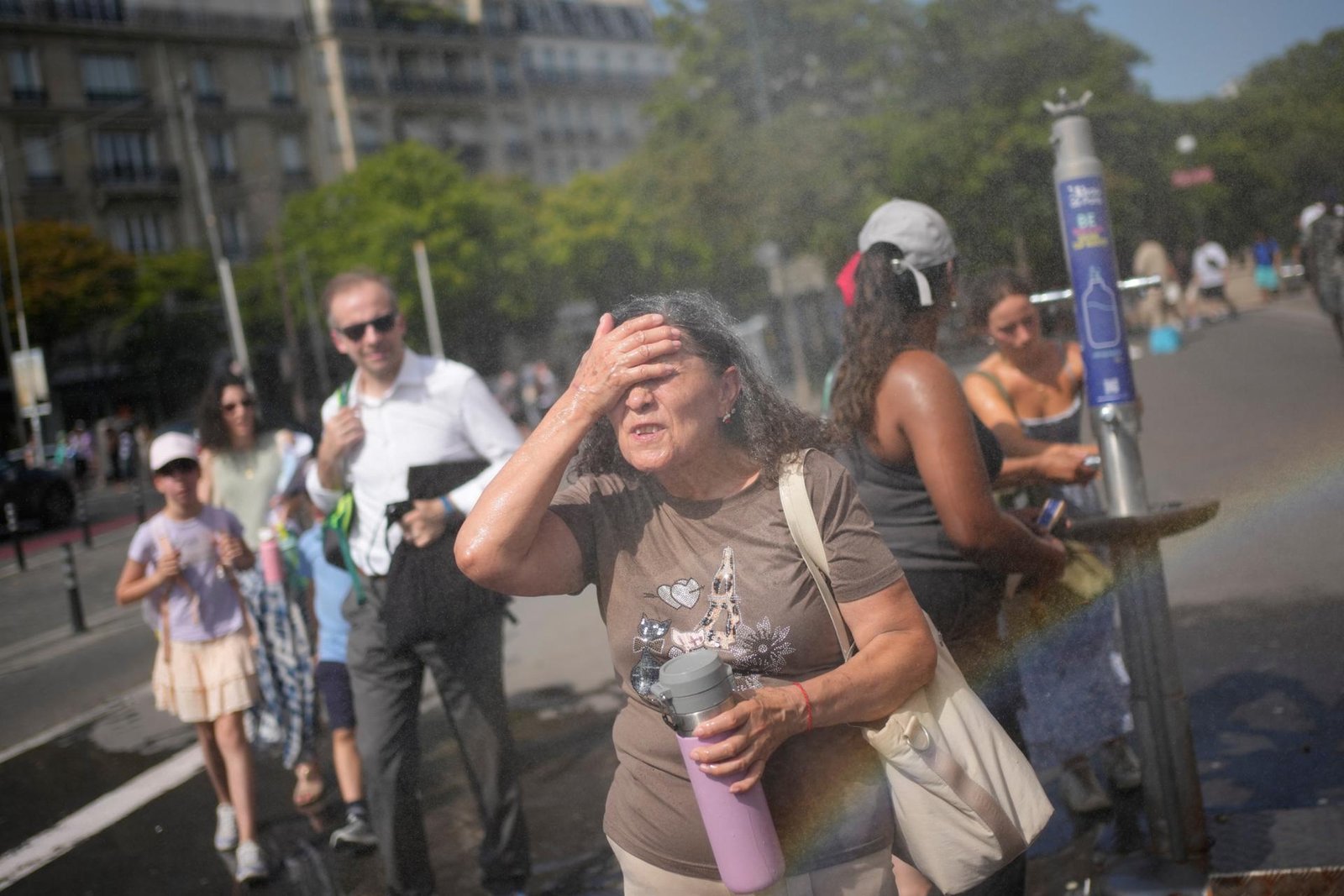
PARIS, France — A devastating meteorological crisis has struck Western Europe. Specifically, official public health data indicates that France records around 1,000 deaths as a direct consequence of a record-breaking heatwave. Consequently, this sharp spike in seasonal mortality has pushed emergency medical systems to their absolute limits. Furthermore, the extreme weather event raises urgent new warnings about the accelerating pace of global climate change.
A Sudden Surge in Excess Mortality
According to a comprehensive report from Santé Publique France (Public Health France), the country experienced an unprecedented surge in fatalities over a three-day peak period. Previously, normal baseline mortality rates hovered between 900 and 1,000 deaths per day during April and May. However, as localized temperatures routinely soared past 40 degrees Celsius (104 degrees Fahrenheit), daily fatalities abruptly spiked. Specifically, daily deaths surpassed 1,200 on Wednesday and climbed past 1,400 on both Thursday and Friday.
As a result, health analysts officially concluded that the nation suffered at least 1,000 additional, unexpected deaths over those brief 72 hours. Furthermore, authorities stress that these figures remain preliminary. Because many local municipal systems experience reporting delays, the final death toll will likely be adjusted significantly higher in the coming weeks.
Vulnerable Populations Face the Highest Risk
The data reveals a stark and heartbreaking demographic trend regarding who is suffering the most from the extreme weather.
- The Elderly: Approximately 85 percent of the recorded excess fatalities involved citizens aged 65 and older.
- Isolated Individuals: A significant majority of these deaths occurred directly inside private homes rather than hospitals.
- Urban Heat Islands: The spike in domestic fatalities was most acute within the Île-de-France region, which encompasses Paris and its densely populated suburbs.
Consequently, French Health Minister Stéphanie Rist issued a public appeal for localized community support. Specifically, she urged neighbors to actively check on elderly individuals who live alone. This is because old stone buildings and concrete urban landscapes absorb extreme heat during the day and trap it indoors long after sunset, creating highly hazardous conditions for vulnerable residents.
Emergency Services Face Extreme Strain
Because of the unrelenting heat, medical infrastructure across the French capital faced massive operational challenges. For instance, the Paris public hospital authority (AP-HP) reported that emergency room visits surged by 36 percent above normal volumes for two consecutive days. In response, administrative leaders activated comprehensive emergency contingency plans across all 38 major hospitals in the network.
Simultaneously, telephone emergency dispatch centers experienced a staggering 80 percent increase in incoming medical assistance calls compared to the exact same period last year. Meanwhile, outside of the hospitals, the high temperatures disrupted broader civil infrastructure. Violent weekend thunderstorms following the peak heat left over 36,000 households across northern and central France entirely without electricity, knocking out vital fans and air conditioning units.
Europe Stands as the Fastest-Warming Continent
The tragedy unfolding in France highlights a broader, highly alarming regional reality. World Health Organization (WHO) Director-General Tedros Adhanom Ghebreyesus issued an urgent global statement via social media highlighting the systemic danger.
“Europe is the fastest-warming continent on Earth, heating at twice the global average rate. Right now, 150 million people are living under extreme heat, hundreds have died, schools are shut, and energy grids are buckling.”
Furthermore, a rapid-response scientific analysis compiled by the World Weather Attribution group concluded that this specific heatwave would have been virtually impossible just five decades ago. Due to human-driven climate change and greenhouse gas emissions, an extreme event of this magnitude is now 200 times more likely to occur than it was a mere twenty years ago.
| European Country | Peak Observed Temperature / Impact | Current National Status |
| France | Temperatures exceeding 40°C; 1,000 excess deaths. | Red alerts downgraded to orange as heat shifts east. |
| Germany | Record high overnight minimum of 29.4°C; forest fires. | Red weather alerts active; highway concrete buckling. |
| Czech Republic | All-time national record of 40.8°C in Doksany. | Highest emergency tier warnings issued to public. |
| Italy | 18 major urban centers placed on maximum warning. | Citizens ordered indoors between 11:00 AM and 6:00 PM. |
Conclusion: The Structural Threat Ahead
In summary, the confirmed reality that France records around 1,000 deaths from a single heatwave serves as a sobering reminder of a changing world. While the core of the high-pressure system is currently migrating eastward toward Central Europe and the Balkans, the structural damage remains behind.
Health officials warn that extreme heat possesses a dangerous “lagged effect,” meaning that pressure on local medical systems will likely persist for weeks as chronic illnesses worsen. Ultimately, international climate experts state that European nations can no longer view these events as temporary anomalies. Instead, governments must fundamentally redesign urban architecture, energy grids, and health systems to withstand a permanently hotter future.
Reference Links
- AP News: France records around 1,000 additional deaths as extreme heat sets European records
- The Japan Times: France has 1,000 excess deaths as heat wave sweeps across Europe
- The Journal IE: France records around 1,000 deaths as heatwave moves to eastern Europe
- The Irish Times: Temperature records shattered in Europe as deadly heatwave moves east