Singapore Electricity Tariffs: Household Power Bills Soar to Historic Highs as War Impact Hits

Mike Show
June 30, 2026
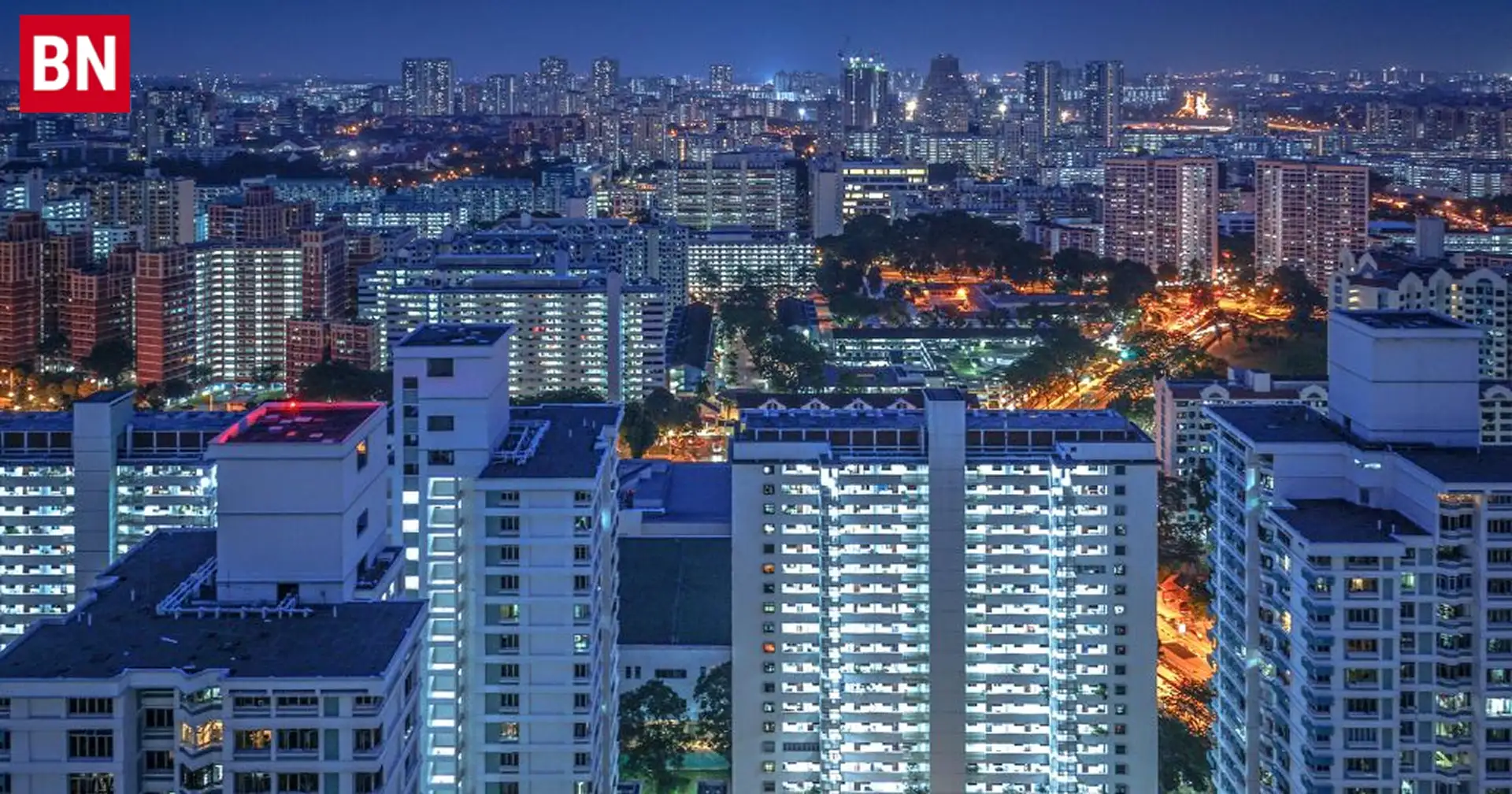
Living costs in Southeast Asia’s primary financial hub have encountered a major new inflationary shock. On Tuesday, grid operator SP Group announced that utility bills for local residences will spike to an all-time high in the upcoming quarter. The sharp increase reflects the delayed economic fallout of the explosive US-Iran conflict in the Middle East. Consequently, adjusted Singapore electricity tariffs are set to squeeze domestic consumer budgets tightly just as families grapple with broader structural inflation.
Sharp Utility Hikes: Breaking Down the Third-Quarter Figures
According to an official statement by SP Group on June 30, the regulated household power rate will jump by a staggering 17 percent for the July-to-September window. Specifically, the tariff will increase by 4.64 Singapore cents per kilowatt-hour (kWh). This modification drives the base rate up to 31.91 cents per kWh before taxes.
- The Historical Record: This upcoming rate surpasses the previous peak of 30.45 cents per kWh recorded during the global financial crisis in late 2008.
- The Tax Factor: Unlike the older historic peaks, current households must pay an additional 9 percent Goods and Services Tax (GST) on top of the base rates.
- Average Flat Impact: The typical monthly electricity cost for a family living in a standard four-room Housing and Development Board (HDB) flat will climb from S$100.74 to S$117.88.
In addition, gas provider City Energy separately confirmed that domestic town gas tariffs will simultaneously rise by 7.1 percent. The revised price will climb to 23.48 cents per kWh. To evaluate how these localized commodity spikes compare to previous energy disruptions, view our Global Logistics Hub.
Background Context: The Timeline of Global Energy Shocks
The underlying driver behind the record-breaking Singapore electricity tariffs is the country’s profound reliance on foreign fossil fuels. The island nation imports roughly 95 percent of its entire power generation supply in the form of natural gas.
The Energy Market Authority (EMA) clarified that local retail utility tariffs are determined every quarter. The calculations strictly utilize average global fuel prices from the first two-and-a-half months of the preceding quarter.
“Changes in global fuel prices take some time to be reflected in the electricity tariffs. Natural gas prices increased sharply from the end of February and remained highly elevated from April to June due to the conflict in the Middle East.” — Energy Market Authority Statement
While global oil and gas markets have recently cooled following a tentative US-Iran maritime truce, the extreme supply anxieties during the spring months are only now hitting local consumers. Singapore bought over 40 percent of its liquefied natural gas (LNG) from Qatar last year. Deep regional disruptions forced state buyers to secure emergency spot shipments outside the Persian Gulf at high premium rates. For a deeper look at past international treaties that historically stabilized shipping corridors, browse our International Relations Archive.
Government Assistance: Doubled Rebates Disbursed to HDB Flats
The sudden tariff escalation has prompted a swift response from state financial planners trying to cushion the blow to the public.
| Housing Category | Previous Monthly Power Bill | New Monthly Power Bill | Average Monthly Increase |
| HDB 3-Room Flat | S$72.71 | S$85.08 | ▲ S$12.37 |
| HDB 4-Room Flat | S$100.74 | S$117.88 | ▲ S$17.14 |
| HDB 5-Room Flat | S$118.69 | S$138.89 | ▲ S$20.20 |
The Ministry of Finance announced on Tuesday that more than one million eligible Singaporean households living in public housing will receive up to S$190 in specialized U-Save rebates this July. This disbursement effectively doubles the standard support layout. Eligible residents will also receive up to a full month of service and conservancy charge waivers to directly help offset their immediate financial expenses.
Consumer Strategies: Shifting to Fixed-Price Retail Options
Ultimately, the record-breaking surge in Singapore electricity tariffs has triggered an immediate migration toward alternative power buying plans. Many local property owners are aggressively abandoning the volatile, regulated quarterly rates. Instead, they are locking in long-term fixed packages with private vendors under the Open Electricity Market.
Independent commercial retailers have proactively launched fixed 24-month protection plans charging competitive flat rates between 27.50 and 29.72 cents per kWh. These competitive offers allow proactive residents to build a predictable buffer against sudden energy shocks if Middle Eastern peace talks falter later this year. To monitor ongoing infrastructure investments and changing regulatory frameworks, review our Global Security Dashboard.