Uncertainty Over Qatar Diplomacy Clouds Prospects for Crucial US-Iran Deal

Md.Moshail Ahmed
June 30, 2026
A high-stakes diplomatic push in Doha has hit an immediate wall of uncertainty, shifting the outlook for regional peace. Although senior envoys from both nations arrived in Qatar on Tuesday, conflicting narratives from Washington and Tehran are heavily clouding the US-Iran deal prospects.
This critical diplomatic juncture follows a weekend of intense military exchanges that pushed a fragile, two-week-old ceasefire to the absolute brink. While the Trump administration frames the Doha meetings as a vital step toward a permanent truce, Iranian officials completely deny that any direct talks will take place.
Consequently, global energy markets are reacting with extreme caution. Oil prices are currently formatting their steepest quarterly decline since the 2020 pandemic because investors remain paralyzed by the volatile flip-flops of Middle Eastern diplomacy.
How Recent Escalations Damage US-Iran Deal Prospects
The current diplomatic impasse stems from the rapid erosion of the June 17 interim accord. Initially, this 14-point memorandum of understanding (MoU) established a 60-day window for both nations to halt hostilities, recover global trade routes, and settle long-term disputes. This temporary pact aimed to wind down a devastating four-month conflict triggered by joint U.S. and Israeli airstrikes on February 28.
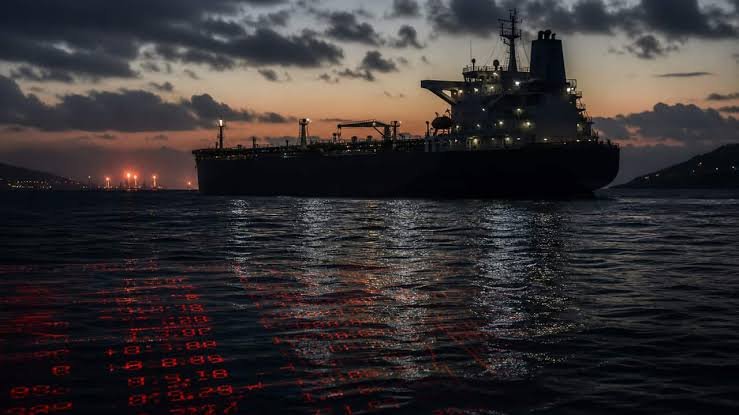
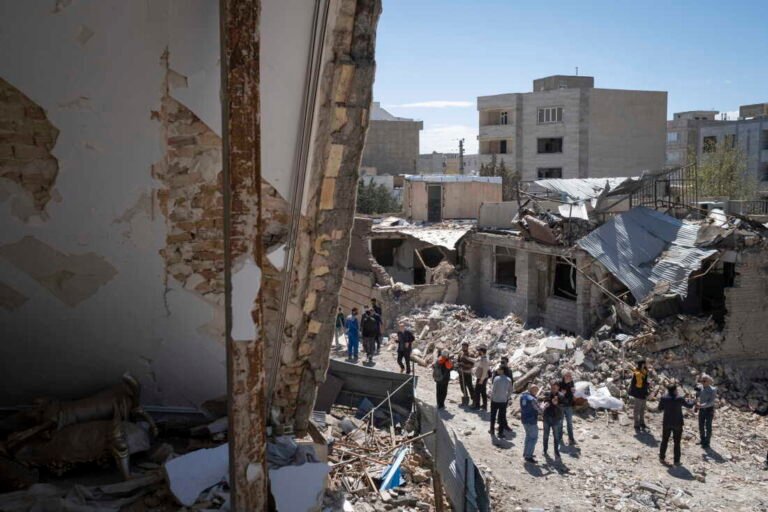
However, the ground beneath the ceasefire shattered over the weekend. The United States military launched targeted strikes against Iranian radar facilities after accusing Tehran of attacking commercial cargo vessels.
Tehran quickly denied responsibility for the initial maritime disruptions. In direct retaliation, Iranian forces launched a wave of ballistic missiles at American military assets stationed in Kuwait and Bahrain. Consequently, these aggressive kinetic exchanges have severely weakened long-term US-Iran deal prospects.
[February 28] War Begins -> [June 17] 60-Day Ceasefire Signed -> [Late June] Weekend Hostilities -> [June 30] Doha Deadlock
Following these dangerous clashes, both sides agreed to a temporary stand-down. Originally, technical delegations were scheduled to meet in Switzerland to review nuclear restrictions. Because of the urgent maritime crisis, organizers abruptly shifted the venue to Doha, altering the agenda to focus strictly on emergency crisis management.
Strategic Hurdles Affecting the Outlook for a Nuclear Agreement
The primary structural flaw tearing the interim deal apart centers on Article 5, which dictates the immediate reopening of the strategic Strait of Hormuz. This vital maritime corridor accommodates roughly one-fifth of the entire world’s petroleum supply, making it a central element in all US-Iran deal prospects.
| Nation | Strategic Interpretation of Article 5 | Preconditions for Direct Peace Talks |
| United States | Mandates unhindered, immediate, and free passage for all international commercial shipping. | Demands verifiable de-escalation and a functional military-to-IRGC shipping hotline. |
| Iran | Asserts maritime sovereignty alongside Oman, proposing mandatory transit fees and strict traffic routing. | Insists upon the immediate release of $6 billion in restricted funds before executing final negotiations. |
While Washington demands an unhindered return to pre-conflict commercial shipping, Tehran continues to flex its muscles over the waterway. Specifically, Iran plans to charge transit tolls and obstruct any vessels that stray from state-defined paths.
Furthermore, a direct military “hotline” brokered by Vice President JD Vance and Iranian delegates in Switzerland remains completely non-operational. United States officials note that the communication channel remains offline because Iran insists that Western vessels must formally request permission from the Islamic Revolutionary Guard Corps (IRGC) before entering the gulf.
How the Frozen Assets Standoff Limits US-Iran Deal Prospects
Adding to the logistical gridlock is a fierce public row over financial leverage, which further complicates positive US-Iran deal prospects. Iranian President Masoud Pezeshkian recently declared to state media that Tehran was on the verge of receiving $6 billion in previously frozen financial assets as a condition of the June interim deal.
However, Qatari officials quickly moved to temper expectations, presenting a far more conservative reality.
“So far, no funds have been transferred,” stated Qatari Foreign Ministry spokesman Majed Al Ansari on Tuesday. “Qatar is not the owner of these funds. It only plays the role of a financial mediator managing these accounts within the framework of this agreement.”
Because these vital funds remain locked in escrow, Iranian leadership has grown notably defiant. Reflecting this anger, Iranian Foreign Ministry spokesperson Esmaeil Baghaei announced that their technical delegation traveled to Doha strictly to speak with Qatari mediators, completely ruling out face-to-face interactions with Western leaders.
"We will not have any negotiation meetings at any level with the American side in the coming days," Baghaei firmly asserted.
Meanwhile, high-level American figures—including special envoy Steve Witkoff—have already touched down in Doha. Qatari mediators confirm they are holding distinct bilateral meetings with the American team, but reiterate that no tripartite framework is currently on the table to salvage immediate US-Iran deal prospects.
The Lebanon Crisis and Regional US-Iran Deal Prospects
Compounding the direct friction between Washington and Tehran is a parallel structural collapse in the Levant. The broader US-Iran deal prospects were structurally tied to a secondary ceasefire arrangement in Lebanon. This framework aimed to halt the intense parallel war between Israeli defense forces and the Iran-backed militant group Hezbollah.
Regrettably, that regional stabilization plan appears completely born dead. The proposed framework makes an Israeli military withdrawal from southern Lebanon entirely contingent upon the complete, verified disarmament of Hezbollah.
Predictably, Hezbollah’s newly appointed chief, Naim Qassem, released a fierce public address branding the American-brokered document a “humiliation” and a “surrender.” He declared the entire framework null and void, promising that his fighters would maintain active resistance indefinitely.
Concurrently, Lebanon’s Parliament Speaker Nabih Berri rejected the terms. He described them as an unacceptable agreement of dictates that completely violates Lebanese sovereignty. Regional analysts warn that any forced attempt by the Lebanese state to disarm Hezbollah would instantly ignite a devastating internal civil war, further dampening overarching US-Iran deal prospects.
Final Verdict: Navigating the Future of US-Iran Deal Prospects
Ultimately, the current stalemate in Doha proves that temporary de-escalation is vastly different from a durable political settlement. Even if technical groups successfully manage the immediate shipping crisis in the Strait of Hormuz, the underlying causes of the war remain wholly unresolved. Persistent mistrust, radically competing economic priorities, and unresolved regional proxy alliances continue to block genuine progress for US-Iran deal prospects.
The White House continues to emphasize President Trump’s preference for peace through economic strength. Nevertheless, if Iran refuses to engage in direct talks and maintains its aggressive stance over international shipping lanes, the administration may find its hand forced toward a swift return to active military operations.
Over the coming weeks, Qatar’s diplomatic skill will face its ultimate test. The international community is left to watch whether these isolated technical meetings can gradually rebuild the broken foundations of the June 17 accord, or if the Middle East is simply pausing to catch its breath before entering a much wider, more destructive phase of conflict.



More