Oil Prices Slide as Middle East Supply Fears Ease

Mike Show
July 2, 2026
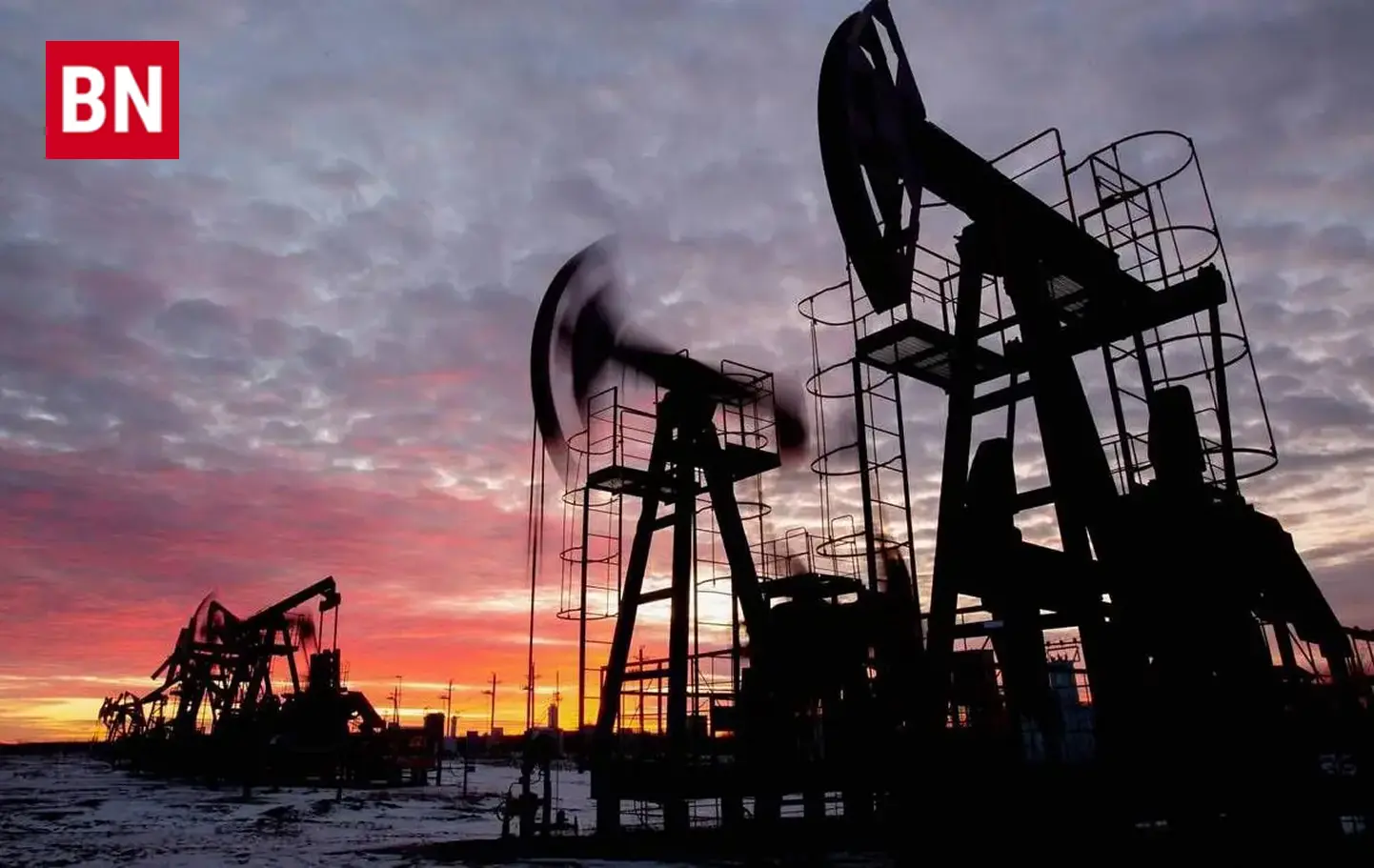
The global energy market experienced a notable downward shift early Thursday morning. Recently, energy traders watched closely as global oil prices slide further due to fading supply anxieties. Both major international pricing benchmarks dropped for a third consecutive trading session. This clear downward trend follows a sharp recovery in daily maritime shipments through the strategic Strait of Hormuz. Consequently, the massive war premium built up over recent months continues to disappear rapidly.
Global Benchmarks Hit Multi-Month Lows
By Thursday afternoon, global crude prices registered sharp losses across major international exchanges. Specifically, Brent crude futures dropped 1.1% to sit near $70.80 per barrel.
According to tracking data from the Trading Economics commodity index, West Texas Intermediate (WTI) crude followed a similar trajectory. WTI crude shed 1.2% to trade at approximately $67.74 per barrel. To track how these falling prices impact other raw commodities, check out our Precious Metals Tracker.
Both global benchmarks have now hit their lowest operational levels in nearly four months. Furthermore, this extended decline completely erases the geopolitical inflation premium that spiked consumer energy costs earlier this year.
Progress in US-Iran Diplomacy Boosts Market Sentiment
Meanwhile, political breakthroughs are heavily influencing the physical energy supply chain. Qatar recently reported that indirect diplomatic negotiations between Washington and Tehran are making significant headway.
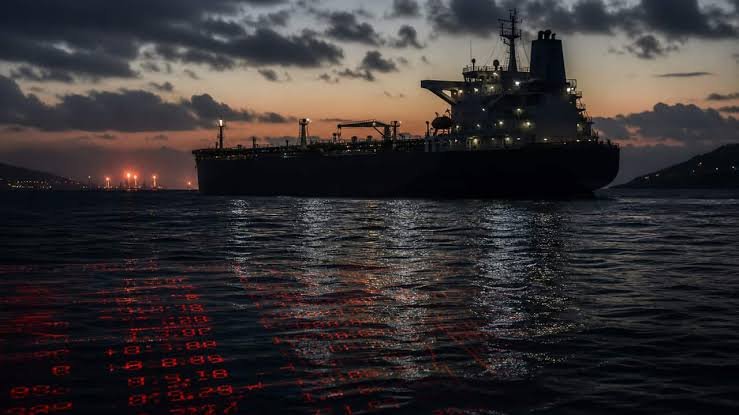
As the global oil prices slide, shipping activity through the critical Strait of Hormuz has dramatically accelerated. Daily crude volume through the waterway successfully surged past 10 million barrels. This critical volume handles nearly one-fifth of all seaborne petroleum trade worldwide.
- Brent Crude Value: $70.80 per barrel
- WTI Crude Value: $67.74 per barrel
- Hormuz Daily Flow: Over 10 million barrels
In addition, reports indicate that OPEC+ member countries may expand their overall production targets. The group meets this Sunday to finalize new output rules starting in August.
Background Context and Long-Term Inflation Analysis
Therefore, what does this mean for the broader global economy? While energy costs are falling, financial experts warn consumers not to celebrate prematurely. Core inflation drivers remain remarkably sticky worldwide.
“Investors should be careful not to confuse lower oil prices with the end of the inflation problem. The broader price picture remains sticky.” — Charu Chanana, Senior Strategist at Saxo Markets
Next, wage growth, rising shipping tariffs, and fiscal spending could keep core inflation above central bank target levels.
Market Outlook and Future Risks
Ultimately, the short-term future of the energy sector relies on ongoing diplomatic stability. If the current ceasefire breaks or regional negotiations stall, the geopolitical premium will return instantly.
In conclusion, watching why oil prices slide highlights the direct relationship between international diplomacy and your local fuel pump. Moving forward, investors must monitor the upcoming OPEC+ decision closely. Stay informed on global commodity shifts right here on our Global Security and Economy Dashboard.
Sources
- Reuters — “OPEC+ sources hint at crude output target increases for August”
- Al Jazeera English — “Oil prices ease after spiking over halt to Strait of Hormuz evacuation plan”
- The Guardian — “Global energy markets slide as Middle East security concerns begin to fade”
- NDTV Profit — “Oil Prices On July 2: Brent Crude Slips To $71 As Hormuz Oil Flows Recover”
- Times of India — “Crude oil prices fall up to 2%, head for weekly losses as Hormuz supply fears ease”



More