US Strait of Hormuz blockade: Trump Declares Guardian Role

Aderson Aiden
July 14, 2026
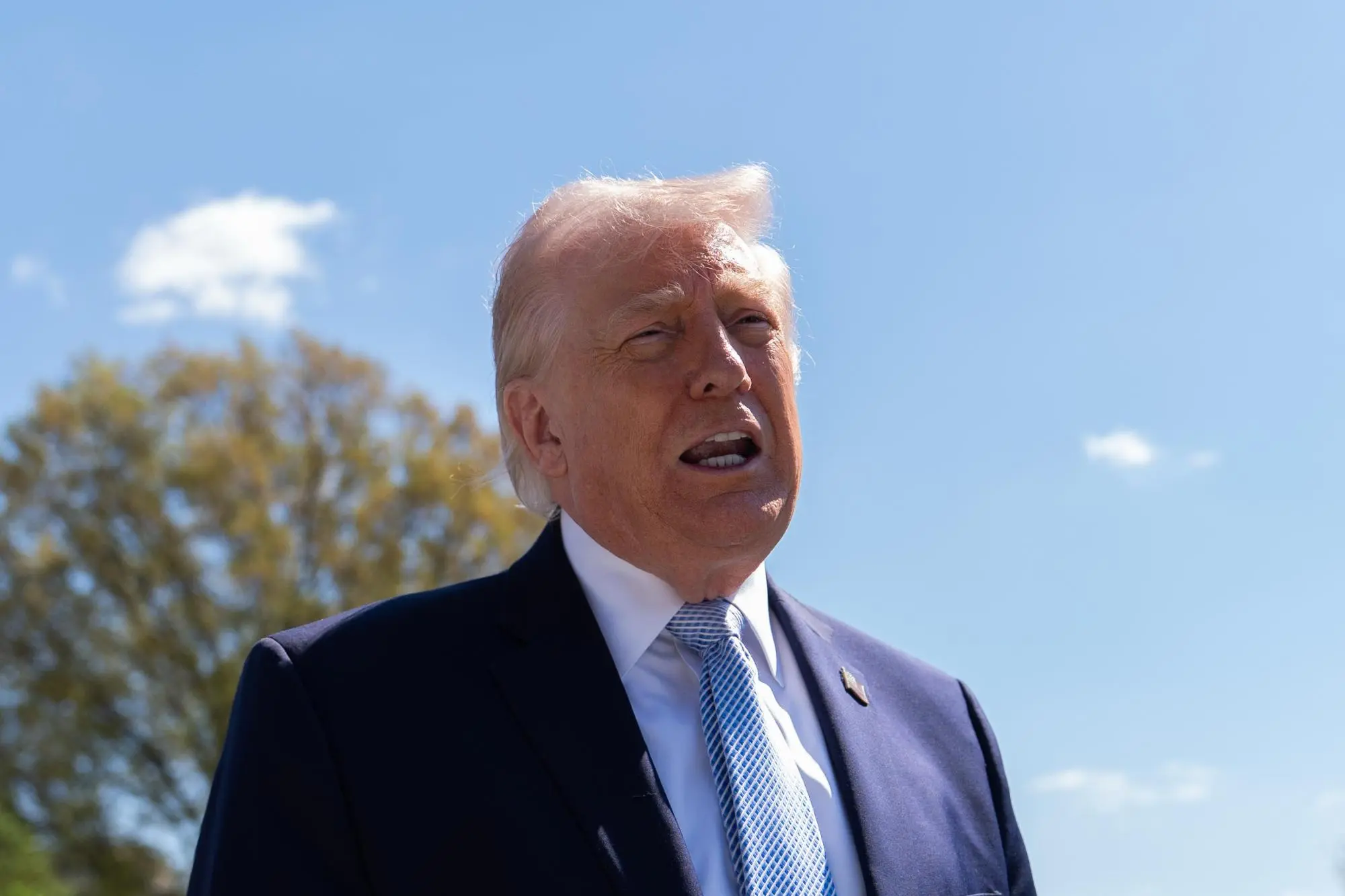
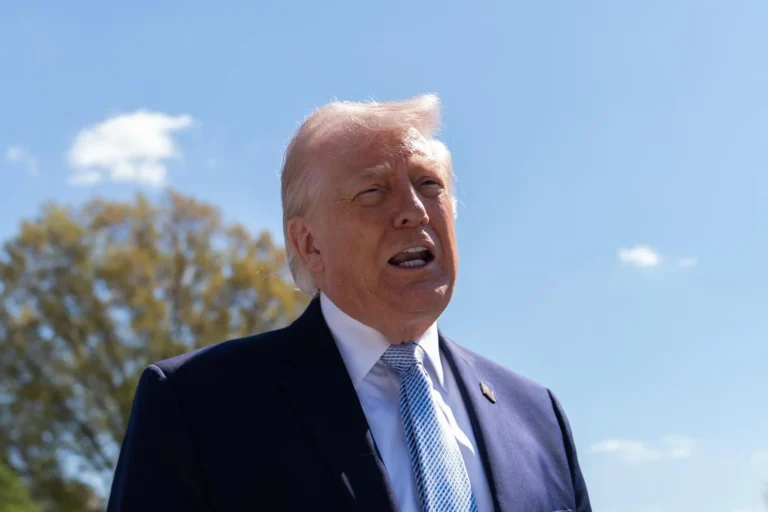
President Donald Trump recently made a massive announcement regarding maritime security. Specifically, he stated the military will reinstate a major operation. Therefore, the US Strait of Hormuz blockade against Iran officially resumes. Furthermore, Trump declared America the official guardian of this critical waterway. Consequently, the government plans to charge a hefty toll for passage.
Trump shared these controversial plans on his Truth Social platform. Additionally, he discussed them during an early morning Fox News interview. He explained that the US will now effectively run the strait. Thus, Washington will demand a 20% fee on all shipped cargo. Ultimately, he argued this toll covers vital security and military costs.
Understanding the US Strait of Hormuz Blockade Toll
The new toll policy aims to extract financial reimbursement directly. Because the US provides security, Trump says it deserves payment. He noted that other wealthy nations should compensate American efforts. Therefore, he dubbed the United States the “Guardian of the Hormuz Strait”. Moreover, he expects this process to begin immediately.
This US Strait of Hormuz blockade specifically targets Iranian vessels. Meanwhile, it promises open access for ships from other nations. However, those foreign vessels must pay the new 20% security tariff. Obviously, this unprecedented move causes major concern for international shipping. After all, the strait handles roughly one-fifth of global oil.
Escalating Tensions and the US Strait of Hormuz Blockade
Recent military clashes severely damaged fragile peace negotiations. Specifically, US and Iranian forces exchanged heavy fire recently. As a result, the situation at the maritime chokepoint deteriorated rapidly. Previously, an interim agreement had temporarily paused the fierce hostilities. Now, Trump suggests those diplomatic deals are completely over.
Iran quickly rejected the American president’s aggressive maritime declarations. A military spokesman warned against any foreign interference in the strait. Furthermore, Tehran threatened neighboring Gulf countries regarding cooperation with America. Consequently, any local assistance will be treated as an act of war. Thus, the US Strait of Hormuz blockade significantly raises regional stakes.
Economic Impacts of the US Strait of Hormuz Blockade
Global energy markets remain incredibly vulnerable to these geopolitical shocks. Since the war began, oil and gas prices have skyrocketed. Therefore, adding a 20% toll will likely worsen global inflation. For instance, Asian economies like India rely heavily on this route. Consequently, they face severe economic risks from the new tariffs.
Critics immediately condemned the massive cargo toll as economic extortion. Nevertheless, Trump insists the fee ensures basic fairness for America. Currently, international mediators are still desperately trying to salvage peace. However, the US Strait of Hormuz blockade makes diplomacy extremely difficult. Ultimately, the world watches nervously as tensions escalate further.
Regional Reactions to the US Strait of Hormuz Blockade
The geopolitical fallout from this announcement happened almost instantly. Iran’s Khatam Al-Anbiya military command issued a fierce video statement. Specifically, they refused to let America manage the vital waterway. Furthermore, they issued threats to other nations in the region. Consequently, Gulf countries face immense pressure regarding American cooperation.
Meanwhile, the Iranian Revolutionary Guard Corps also condemned the move. An IRGC spokesman accused Washington of endangering global energy supplies. Therefore, they demanded the United States be held completely accountable. Additionally, Tehran vowed to maintain its sovereignty over the passage. Thus, the US Strait of Hormuz blockade guarantees future maritime confrontations.
The Military Execution of the US Strait of Hormuz Blockade
United States Central Command confirmed the operational details on Monday. The military forces will resume the naval operation very soon. Specifically, the renewed blockade officially takes effect on Tuesday afternoon. Consequently, US warships will stop Iranian maritime traffic completely. However, they will support permissible vessels moving through the area.
This aggressive military posture follows severe weekend airstrikes against Iran. American forces struck dozens of military targets across the country. For example, they hit radar sites and air defense systems. Moreover, allied Arab states reported another wave of hostile attacks. Therefore, the US Strait of Hormuz blockade operates in an active warzone.
Global Concerns Over the US Strait of Hormuz Blockade
European leaders expressed deep anxiety about the escalating regional violence. The European Union’s top diplomat demanded the strait remain open. Similarly, the UN Secretary-General warned against returning to full hostilities. He stated that further conflict would have catastrophic global consequences. Consequently, diplomats from Germany, France, and Britain issued joint condemnations.
Economically, the situation looks incredibly grim for many importing nations. The passage historically carries massive amounts of liquefied natural gas. Because of the conflict, energy prices have already surged significantly. Now, the 20% toll adds another layer of extreme cost. Ultimately, the US Strait of Hormuz blockade threatens global economic stability.
Sources
- The Guardian: Oil prices leap and stocks fall as Trump reinstates Hormuz blockade on Iranian shipping
- CBS News: Trump says U.S. will be “guardian of the Hormuz Strait” and is reinstating Iranian blockade
- PBS NewsHour: Trump says U.S. will blockade Iran in the Strait of Hormuz and will charge a toll for safe passage
- The Guardian: Trump renews Iran blockade and again threatens to take control of strait of Hormuz
- Wikipedia: 2026 United States naval blockade of Iran