Market Surge: Federal Rate Cut Announcement Triggers Massive Wall Street Rally As Inflation Cools

Aderson Aiden
July 1, 2026
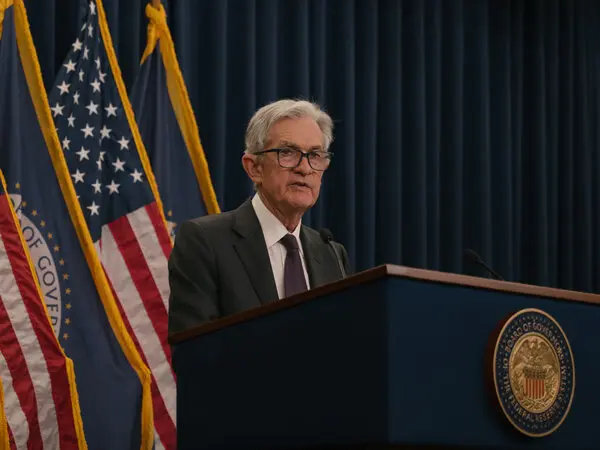
The Federal Reserve has completely shifted its monetary strategy. In a highly anticipated move, Chairman Jerome Powell delivered a major federal rate cut announcement during a packed press conference. Consequently, the central bank slashed its benchmark interest rate by 50 basis points, marking the most aggressive policy easing seen in years.
Wall Street reacted with immediate enthusiasm. Within minutes of the decision, the S&P 500 and the Dow Jones Industrial Average surged to historic intraday highs. Investors welcomed the news, interpreting the aggressive cut as a decisive victory over stubborn inflation.
Economic Pivot: Why the Federal Reserve Acted Now
The central bank’s dramatic shift comes after weeks of cooling economic data. For months, aggressive interest rates weighed heavily on corporate borrowing and consumer credit. However, recent indicators showed inflation safely settling near the Fed’s long-term target.
The justification behind the rapid policy adjustment centers on several critical factors:
- Easing Price Pressures: Consumer inflation metrics dropped steadily over the last two quarters. Therefore, restrictive rates are no longer deemed necessary.
- Labor Market Shielding: The labor market has shown subtle signs of cooling. Thus, the rate reduction aims to protect jobs before unemployment spikes.
- Consumer Credit Relief: Mortgage rates and auto loans will begin decreasing immediately. This change will offer substantial relief to everyday households.
Wall Street Reacts: Winners and Losers From the Policy Shift
The financial sector experienced an immediate wave of high-volume trading following the briefing. While technology and real estate sectors led the massive market rally, banking stocks faced sudden pressure due to narrowing profit margins.
| Market Asset Sector | Immediate Percentage Shift | Primary Economic Driver |
| Technology Stocks (AI/Chips) | Up 3.4% | Lower borrowing costs allow for aggressive capital expansion. |
| Real Estate & Housing | Up 4.1% | Dropping mortgage rates spark immediate buyer demand. |
| Major Banking Institutions | Down 1.8% | Narrower net interest margins reduce immediate profitability. |
Financial analysts quickly weighed in on the sudden macro shift. Many economists noted that this aggressive adjustment proves the Federal Reserve is highly confident that a recession can be successfully avoided.
Powell Signals Future Easing Pathways
During his live address, Chairman Powell emphasized that this baseline adjustment is not a frantic response to economic weakness. Instead, he framed the pivot as a natural normalization of American monetary policy.
"Our economy remains fundamentally strong," Powell stated during the live broadcast. "However, inflation has cooled significantly. Therefore, we must adjust our policy to support continued economic expansion without reigniting price pressures."
What This Means for Everyday Consumers
Ultimately, the ripple effects of this policy shift will impact millions of Americans over the coming weeks. As credit card annual percentage rates (APRs) begin to track downward, retail consumers will immediately notice reduced borrowing burdens. Additionally, prospective homebuyers who were previously priced out of the housing market are expected to rush back into real estate. Moving forward, economists will monitor upcoming retail sales data closely to ensure that the sudden injection of liquidity does not accidentally cause consumer demand to overheat.