The Art of the Late Comeback: Decoding the Carlo Ancelotti Tactical Tricks That Defy Football Logic

Jubayer Alam
June 29, 2026
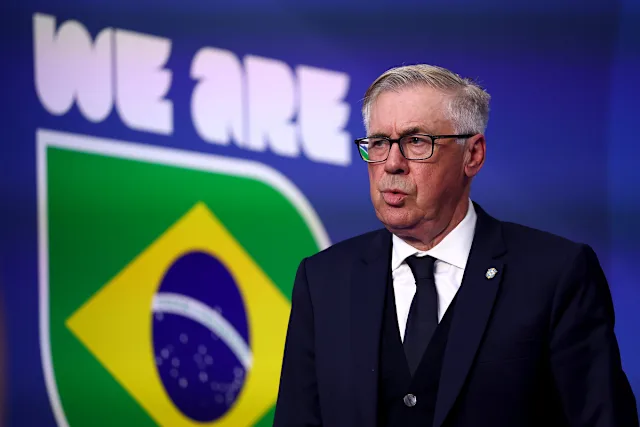
MADRID, Spain — It is a phenomenon that has left rival managers bewildered and football scientists scrambling for structural explanations. When ordinary teams panic in the dying embers of a high-stakes match, sides managed by the legendary Italian tactician seem to enter an entirely different gear. Across his historic career, the distinct Carlo Ancelotti tactical tricks utilized in the final 15 minutes of crucial games have evolved from mere luck into a calculated, predictable art form.
Whether it is guiding Real Madrid through impossible European turnarounds or orchestrating late knockout adjustments, Ancelotti’s signature “late-minute magic” relies on specific blueprint rules.
1. The Chaos Substitution: Shifting Structural Postures
While modern tactical ideologues prefer rigid, system-based configurations, Ancelotti views the final minutes of a match through a lens of psychological warfare. Specifically, his most frequent late-game maneuver involves deliberately abandoning traditional shapes to introduce physical anomalies that break the opponent’s defensive rhythm.
His late-minute substitution strategy typically leverages three core mechanics:
- The Chaos Asset: Introducing direct, unpredictable dribblers (such as a fresh winger) to attack exhausted full-backs who have spent 80 minutes adapting to a completely different style of play.
- Overloading the Half-Spaces: Flooding the opposing penalty area with numerical superiority, forcing low-block defenses into frantic, split-second clearance decisions.
- Vertical Directness: instructs his central midfielders to immediately bypass slow buildup play, executing long, direct vertical passes to unbalance deep backlines.
2. Calculated “Laissez-Faire” and Delegated Leadership
Perhaps the most unique aspect of the Carlo Ancelotti tactical tricks playbook is his deliberate choice to step back and hand structural ownership to his veteran leaders when a match enters maximum pressure.
Unlike coaches who frantically yell instructions from the technical area—generating added anxiety for their squad—Ancelotti projects absolute calmness. Consequently, this psychological anchor allows veteran players to adapt to live game micro-situations entirely on their own terms.
“Tactics are essential for structure, but human emotion and trust dictate the final ten minutes of a cup final,” Ancelotti has famously noted. “When the stadium is screaming, a manager must give clarity, not create extra noise.”
The Late-Game Comeback Blueprint
Ancelotti’s historical success rate in the final stages of elite knockouts boils down to a clear, repeating structural formula:
| Tactical Phase (Minutes) | Live In-Game Action | Desired Psychological & Structural Impact |
|---|---|---|
| 70′ — 80′ | Deliberately dropping the defensive block to conserve energy signatures. | Inducing a false sense of security and structural comfort in the opposition. |
| 80′ — 85′ | Executing dual vertical substitutions; pushing full-backs entirely into wing positions. | Forcing the opponent’s midfield pivot to drop deeper, creating free space. |
| 85′ — Stoppage Time | Transitioning into asymmetric attacking shapes with cross-heavy distributions. | Maximizing individual brilliance in isolated 1v1 situations inside the box. |
Conclusion: Mastering the Unpredictable
In summary, the secret behind these iconic late-minute rescues is not a reliance on random chance, but a deep, masterful understanding of human psychology combined with flexible positional adjustments. By prioritizing emotional composure over tactical rigidity, the legendary Italian manager ensures his squads remain entirely functional while opponents buckle under pressure. Ultimately, as long as these calculated Carlo Ancelotti tactical tricks continue to dismantle elite defensive structures worldwide, his teams will remain the most feared late-game executioners in modern football history.
Sources
- The Athletic / Tactical Football Analysis Labs
- UEFA Technical Report Archives
- Sky Sports Football Masterclass Series



More