Iran’s Top Military Adviser Links Escalation Directly to Strait of Hormuz — Warns U.S. Response Will Be “Swift and Crushing”

Jubayer Alam
June 28, 2026
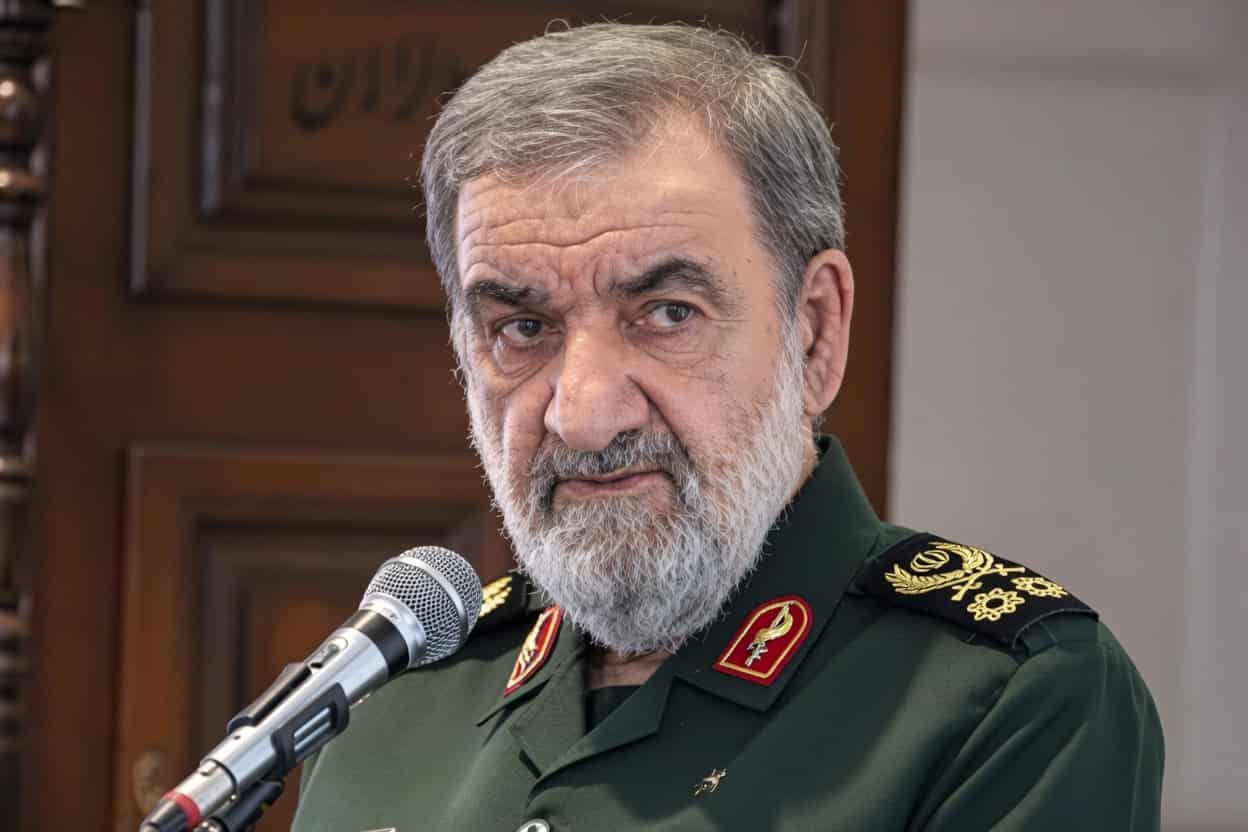
WASHINGTON / TEHRAN — Iran’s most senior military adviser blames the Strait of Hormuz for the current crisis. Specifically, he warned that the United States has broken the recent peace deal. Consequently, he claims the U.S. is “continuing to create tensions” in the critical waterway. Therefore, Iran’s response to every further violation will be “swift and crushing.”
Indeed, Mohsen Rezaei serves as an adviser to Iran’s supreme leader. He stated that Washington violated the war-ending memorandum of understanding. Specifically, they supported regional proxy forces and created tensions in the Strait of Hormuz. As a result, Rezaei issued Iran’s clearest ultimatum yet in a Saturday post on X.
“America, by supporting the actions of its proxy forces in the region, has violated the first article of the memorandum of understanding. Furthermore, by continuing to create tensions in the Strait of Hormuz, they have violated the fifth article. The response to any violation will be swift and decisive.”
Furthermore, Rezaei warned that Iran will deliver a “swift and crushing” response to any further disruptions.
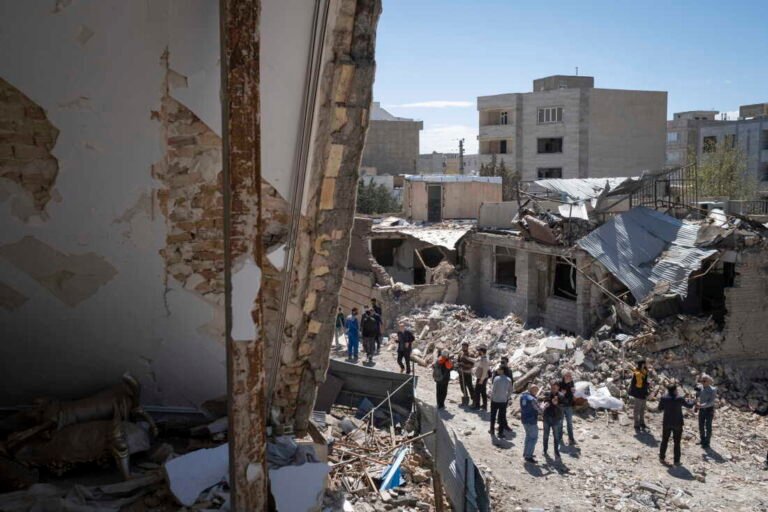
The statement landed on a day of cascading military developments. First, fresh U.S. airstrikes hit Iranian territory. Next, an Iranian drone attacked a second tanker in the Strait of Hormuz within 48 hours. Simultaneously, Iranian forces launched missiles and drones at U.S. military sites in Kuwait and Bahrain. Finally, President Trump issued an explosive social media warning. He stated that “the Islamic Republic of Iran will no longer exist” if the current trajectory continues.
Officials on all sides are monitoring developments closely. However, the ceasefire is hanging by the thinnest of threads. Consequently, any hope for permanent peace is fading fast.
🗣️ What Rezaei Said and Why It Matters
Mohsen Rezaei is not a peripheral figure. In fact, he formerly commanded the Islamic Revolutionary Guard Corps for 16 years. Today, he acts as one of Tehran’s most influential security advisers. Consequently, his words carry the direct authority of Iran’s supreme leader, Mojtaba Khamenei.
Rezaei accused the U.S. of violating Article 5 of the MoU. Specifically, this article requires parties to restore safe passage for commercial vessels in the Strait. Furthermore, Article 5 dictates that Iran and Oman must discuss the waterway’s future administration.
His statement is significant for two reasons. First, it outlines Iran’s official explanation for the current escalation. Tehran views this as a deliberate response to systematic American violations rather than random aggression. Second, it signals that Iran refuses to back down. Moreover, Rezaei told NewsNation that authorities should establish an “insurance mechanism” for transiting ships. He stated, “We must collect these costs from those who transport oil through this strait.”
Iran is not simply defending its territory. Instead, it is asserting sovereign control over the world’s most important oil route. As a result, Tehran plans to charge transit fees accordingly.
⚓ The Strait of Hormuz: The Root of Everything
A struggle for control of the Strait of Hormuz drives the latest escalation. Previously, Iran blocked this vital waterway in response to the US-Israeli war. Since then, Tehran has used this global energy chokepoint as major geostrategic leverage.
The dispute over the Strait is not merely technical. Rather, it remains deeply existential. Specifically, it threatens Iran’s negotiating position, the global economy, and the ceasefire itself.
Washington currently promotes a southern lane along the coast of Oman. Conversely, Tehran wants ships to use a northern route through its waters. Ultimately, Iran aims to charge fees for using this controlled route. The IRGC issued a stark warning regarding this policy. They declared that they will aggressively deal with any violators using unauthorized shipping lanes.
Before the war, massive amounts of energy passed through the strait. Specifically, it handled 25% of seaborne oil and 20% of liquefied natural gas. However, tanker traffic dropped to nearly zero after the conflict started. Ships carefully returned to the Strait following the June 17 ceasefire. Consequently, oil prices tumbled back toward pre-war levels. This provided a fragile sign of economic normalisation. Unfortunately, every new drone launch or tanker attack puts that recovery at severe risk.
Iran insists it maintains full control and management rights over the waterway. Indeed, this chokepoint has become Tehran’s biggest bargaining chip in negotiations. Furthermore, Iranian leaders assert that the strait will never return to its pre-war status.
💥 A Weekend of Escalating Strikes
The context for Rezaei’s statement involves a brutal 72-hour sequence of military action. Undoubtedly, this violence has shocked even veteran observers of the Iran-U.S. conflict.
- Thursday, June 26: Iran struck a Singapore-flagged cargo ship using a one-way attack drone. The vessel was transiting the Strait via the U.S.-backed Omani coastal corridor. Simultaneously, American forces successfully intercepted three other drones.
- Friday, June 27: The U.S. launched retaliatory strikes on Friday. Specifically, they accused Iran of violating the ceasefire agreement. The Pentagon stated these strikes directly responded to Iranian aggression against commercial shipping. Afterward, officials claimed Tehran ignored a chance to honor the ceasefire.
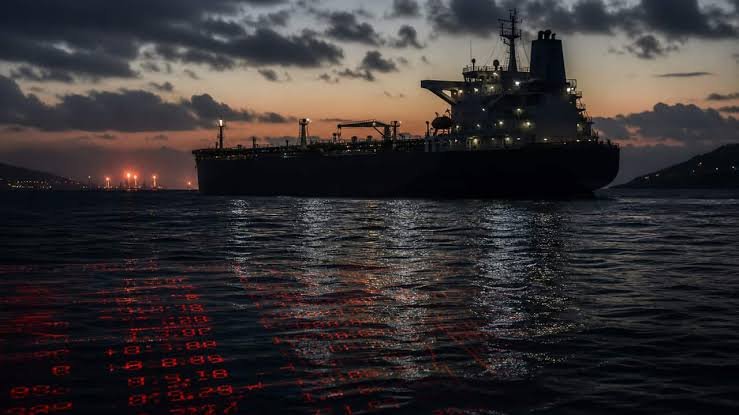
- Saturday, June 28: An Iranian drone attacked a Panama-flagged tanker early Saturday morning. Consequently, U.S. Central Command carried out fresh retaliatory strikes. CENTCOM reiterated that Tehran elected not to honor the agreement. Therefore, American jets targeted Iranian drone storage, air defense, and surveillance facilities.
- Sunday, June 29: Iran’s IRGC launched joint missile and drone operations. Specifically, they targeted U.S. military sites in Kuwait and Bahrain. They claimed this directly responded to recent U.S. airstrikes. Furthermore, the IRGC warned this would completely halt all diplomatic processes.
Meanwhile, the UK Maritime Trade Operations Centre raised its threat level to “substantial.” They made this change following multiple attacks on merchant vessels. Additionally, they advised mariners about active mines and a heavy naval presence.
⚠️ Trump’s Nuclear Warning
The most alarming development of Saturday was not strictly military. Instead, it was a single social media post from President Trump. Bluntly, he threatened the very existence of Iran’s government.
Trump posted a fierce warning on social media on Saturday. He stated that circumstances may soon force the military to complete its job. Ultimately, he declared that “the Islamic Republic of Iran will no longer exist!”
Trump issued this statement as his most extreme public warning since the ceasefire. Unsurprisingly, it landed in Tehran like a thunderclap. Consequently, Iranian state media immediately broadcast it as evidence of American bad faith. Likewise, Iran’s parliament called it a direct threat against a sovereign nation. Regardless of his intent, the president’s words severely narrowed the remaining diplomatic space.
Secretary of State Marco Rubio addressed the toll issue shortly after. He noted that Gulf countries offer zero support for a Strait of Hormuz fee. In response, Iran’s foreign minister quickly hit back. Specifically, he accused Washington of using aggressive blackmail tactics to undermine the agreement.
⚖️ Two Sides, One Strait — No Easy Solution
The core problem is simple to state but extraordinarily difficult to solve. Physically, the Strait of Hormuz spans just 34 kilometres at its narrowest point. Both Iran and Oman share coastlines along the route. Legally, international law grants vessels the right of transit passage. However, Iran wants to charge fees and completely control the lane. Conversely, the United States firmly refuses.
Tehran claims the U.S. military presence in the Gulf remains a massive source of instability. Therefore, Iran reiterated its strict position on the waterway. Specifically, they demand that Iran and Oman jointly manage navigation under last week’s agreement.
Ebrahim Azizi chairs the Iranian parliament’s national security committee. He noted that the United States attacked Iran right in the middle of negotiations. Thus, his message to Washington was abundantly clear. Simply put, the U.S. cannot bomb Iran into compliance over its last remaining strategic leverage.
For the United States and its Gulf partners, the position is equally firm. Mainly, Washington views Iranian tolls on the Strait as blatant economic coercion. They see it as an attempt by Iran to profit from ending a war it started. Ultimately, no U.S. administration could accept that deal without facing political catastrophe at home.
🔮 What Happens Next
Officials on all sides are monitoring the situation closely. Fortunately, no senior figure has publicly closed the door to diplomacy yet. Recent escalations have severely disrupted the Switzerland talks. However, negotiators have not formally abandoned them. The 60-day MOU window still has 51 days remaining. Furthermore, both governments have signalled back-channel interest in a negotiated outcome.
Nevertheless, the diplomatic window is narrowing fast. Every tanker attack and airstrike causes massive damage. Additionally, every threatening social media post rapidly erodes essential trust. Consequently, negotiators are struggling to make these hard conversations possible.
Mohsen Rezaei issued a very clear warning on Saturday. He stated that Iran’s response to any further violation will be “swift and crushing.” Undoubtedly, this marks the clearest statement yet of where Tehran draws its line. Now, Washington must find a formula that respects international maritime law. Simultaneously, they must give Iran enough leverage to stop the shooting. Ultimately, this delicate balance will define the next 51 days.
The Strait of Hormuz has served as a global flashpoint for four months. Today, it remains the single most volatile piece of water on earth. Right now, real-time military events are actively testing the fragile ceasefire.
Follow Breaking News Today for verified, live updates as this story continues to develop.
Sources: Fox News · Al Jazeera · CBC News · NBC News · NewsNation · Reuters / gCaptain · Xinhua · Wikipedia: 2026 Strait of Hormuz Crisis


More