Araghchi Baghdad Visit: Iran FM Delivers Hormuz Warning as Iraq Launches Anti-Corruption Crackdown

Jubayer Alam
June 28, 2026
Araghchi Baghdad Visit: Iran FM Delivers Hormuz Warning as Iraq Launches Anti-Corruption Crackdown
🔗 Related: U.S. Strikes 10 Iranian Military Targets After Kiku Tanker Attack | Ceasefire Hanging by a Thread — Vance Warns Iran | Iran Military Adviser Links Hormuz Escalation to MOU Violations
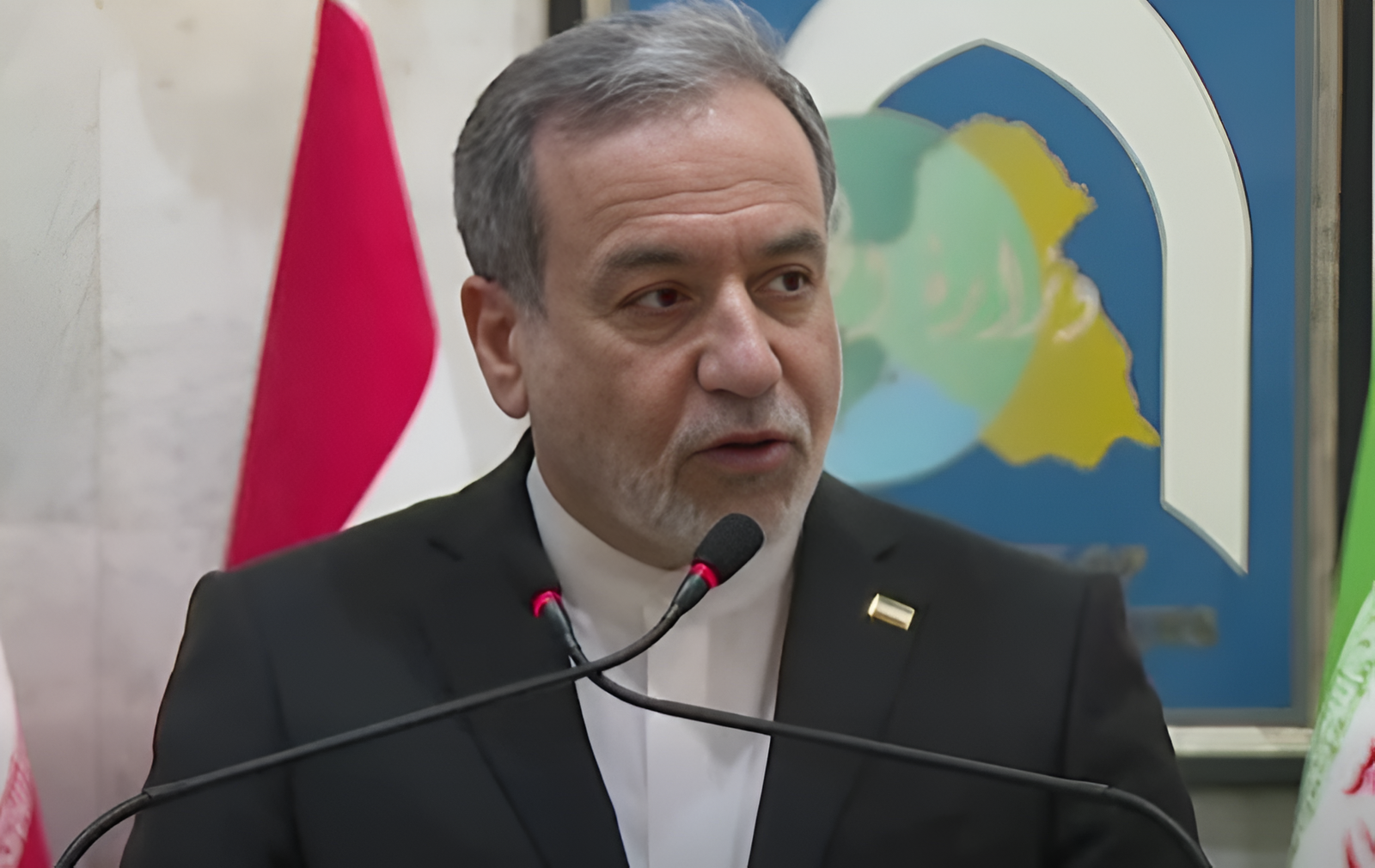
Araghchi’s Baghdad visit on Sunday, June 28, is one of the most consequential diplomatic moves of the entire Iran-U.S. war. Specifically, Iranian Foreign Minister Abbas Araghchi arrived in the Iraqi capital directly after a weekend of escalating U.S. airstrikes on southern Iran. Moreover, he used the Araghchi Baghdad visit to deliver one unmistakable warning to Washington and the world:
The Strait of Hormuz will reopen on one condition only — Iran’s exclusive management.
“The responsibility for implementing these arrangements lies solely with the Islamic Republic,” Araghchi declared in Baghdad. “Any intervention or attempt to create parallel arrangements will only complicate the situation.” He further warned it would “increase tensions and delay the reopening of this vital waterway.”
Furthermore, under the June 17 ceasefire agreement, Araghchi said the Strait “will return to its pre-war capacity within 30 days under Iran’s exclusive management.” That is Iran’s position. It is not open to negotiation.
Meanwhile, the Araghchi Baghdad visit was unannounced until Saturday night — a sign of urgency. It also coincided with a sweeping anti-corruption crackdown by Iraq’s new Prime Minister Ali al-Zaidi, who launched the drive just hours before Araghchi’s plane landed.
As a result, Baghdad is now both the diplomatic hub of the Iran-U.S. crisis and the scene of a historic domestic reckoning. The two stories are impossible to separate.
🔗 Also Read: Iran’s Top Military Adviser Links Strait of Hormuz Escalation to MOU Violations
Araghchi Baghdad Visit Begins at Soleimani Memorial — A Message to Washington
Notably, Araghchi’s Baghdad visit did not begin with a government meeting. Instead, it began at a memorial. His first stop was near Baghdad International Airport, where a monument marks the spot where IRGC General Qassem Soleimani was killed. Iraqi militia commander Abu Mahdi al-Muhandis also died there. A U.S. drone strike killed both men in January 2020.
The symbolism of the Araghchi Baghdad visit opening at this site was unmistakable. After all, American warplanes had struck Iran again that very morning. Yet Iran’s top diplomat chose to begin his Baghdad visit standing at the site of America’s most controversial strike. The message was deliberate. It was aimed at Washington, Tehran’s domestic audience, Iraq’s political factions, and the Arab world simultaneously.
Indeed, Iraq has been a frontline of this conflict since February 28. For example, Iran and its Iraqi proxies carried out more than 850 attacks in Iraq’s Kurdistan Region. In addition, Iranian-backed militias attacked U.S. diplomatic facilities in Iraq and kidnapped a U.S. journalist. As a result, Baghdad now sits at the centre of every regional pressure point.
What Araghchi Said in Baghdad: Three Non-Negotiable Demands
At his Baghdad press conference, Araghchi stood alongside Iraqi FM Fuad Hussein. Together, they addressed the media as Araghchi laid out Iran’s firm position on three critical issues.
First, on the Strait of Hormuz: “Any attempt to adopt new or separate arrangements will only lead to more complicated situations.” He added it would also cause “delays in the reopening of the Strait of Hormuz.” Consequently, he called on all parties to “adhere to the MOU and not allow it to deviate from its course.”
Second, on Lebanon: “It is regrettable that Israel continues its attacks.” He then added: “The US bears direct responsibility for stopping the attacks and ensuring a withdrawal from occupied areas.”
Third, on a new regional security framework: “We should reach a new framework that includes all countries in the region.” He specified it must be “without the presence or interference of any country from outside the region.” In other words, no United States.
Each of these demands is a direct collision with Washington’s stated position. Therefore, the Araghchi Baghdad visit put those terms on the record, formally and publicly, in a way that cannot be ignored.
Araghchi Baghdad Visit Meets Iraq’s Anti-Corruption Storm
The Araghchi Baghdad visit landed in the middle of a political storm. Specifically, just hours before Araghchi touched down, PM Ali al-Zaidi launched a sweeping anti-corruption drive. At 41 years old and just weeks into office since taking power in May, he moved decisively and fast.
Security forces raided high-profile figures across Baghdad. Subsequently, reports emerged of operations inside the Green Zone. Some sources said the targets were Sunni Arab politicians. Others, however, suggested Iranian-linked figures were among those pursued.
The political optic for al-Zaidi is almost impossible to manage. On one hand, he is welcoming Iran’s foreign minister through the front door. On the other hand, his security forces may be pursuing Iranian-linked politicians at the same time. Nevertheless, Iraq has been working to rein in Iranian-backed militias, and al-Zaidi wants to demonstrate that he can restore state authority.
Furthermore, he is planning a trip to Washington in July. As a result, cracking down on Iranian-backed groups has become a key U.S. demand. Secretary of State Marco Rubio publicly condemned those militias just last week. Similarly, at the GCC meeting in Bahrain, ministers formally condemned Iranian proxy attacks on Gulf infrastructure and energy facilities.
Why the Araghchi Baghdad Visit Was Unannounced
The Araghchi Baghdad visit was not publicly disclosed until Saturday night — just hours before his arrival. That late announcement is a significant signal in itself.
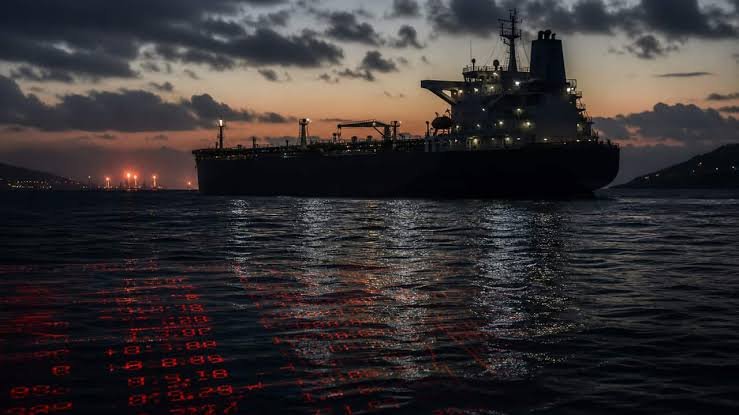
Clearly, Iran wanted to show that Iraq remains Tehran’s partner. Moreover, it chose the single most dangerous day of the ceasefire crisis to make that point publicly. By Sunday morning, the U.S. had struck 10 Iranian military targets inside Iran. In addition, Iran had fired missiles and drones at U.S. bases in Kuwait and Bahrain. At the same time, a Panama-flagged tanker carrying 2 million barrels of crude had been hit in the Strait. On top of that, President Trump had threatened that Iran “will no longer exist” if the war resumed.
In that context, the Araghchi Baghdad visit served Tehran’s diplomatic strategy precisely. Iraq is one of the few countries that maintains working relationships with both Washington and Tehran. Therefore, Tehran used that position as a stage to restate its demands, signal it still has allies, and do so entirely in public.
Iraq: Caught Between Two Powers, Again
Iraq’s position in this conflict is genuinely agonising. On one side, it hosts U.S. military forces and maintains formal ties with Washington. On the other side, it is deeply bound to Iran through geography, religion, economics, and politics.
Al-Zaidi is simultaneously trying to modernise Iraq, attract foreign investment, control Iranian-backed militias, and build a new relationship with the United States. However, the Araghchi Baghdad visit is a sharp reminder of how difficult that balancing act truly is.
Despite al-Zaidi’s domestic reform push, Tehran’s reach into Baghdad has not weakened. No corruption crackdown changes that reality overnight. In fact, the Araghchi Baghdad visit and al-Zaidi’s crackdown happening on the same Sunday captures Iraq’s 2026 reality perfectly. It is a sovereign state asserting itself. Yet two superpowers are simultaneously fighting through its territory and inside its own politics.
What Happens Next
Following his session with FM Fuad Hussein, Araghchi is scheduled to meet Iraqi President Nizar Amidi and then PM al-Zaidi. Throughout those meetings, Iran will press Iraq to carry its message directly to Washington. The demands remain the same: Iran controls the Strait, the war must end in Lebanon, and no outside power manages Gulf security.
Al-Zaidi, however, will listen carefully and commit to nothing that fully closes either door. After all, that careful neutrality is the only survivable foreign policy for Iraq right now.
Meanwhile, the MOU window has just 51 days remaining. The Araghchi Baghdad visit has placed Iran’s terms on the table in the clearest language yet. Whether Washington responds with diplomacy or with another round of airstrikes will ultimately shape what those 51 days look like.
Key Facts at a Glance
| Detail | Information |
|---|---|
| Event | Araghchi Baghdad visit — June 28, 2026 |
| First stop | Soleimani/Muhandis memorial, Baghdad Airport |
| Meetings | FM Fuad Hussein, President Amidi, PM al-Zaidi |
| Hormuz demand | Reopens in 30 days — under Iran’s exclusive management only |
| Regional framework | New Gulf security without U.S. presence |
| Iraq crackdown | Al-Zaidi anti-corruption drive launched same morning |
| Green Zone raids | Reported — targets unconfirmed |
| MOU window remaining | 51 days |
🔗 More from Breaking News Today:
- U.S. Forces Strike 10 Iranian Military Targets After Kiku Tanker Attack
- Ceasefire Hanging by a Thread — JD Vance Warns Iran
- Iran’s Military Adviser Links Strait of Hormuz Escalation to MOU Violations
- Iran and US Trade Attacks — Worst Escalation Since Peace Deal Signed
Sources: CNN Live · Jerusalem Post · France 24 · Times of Israel · Middle East Eye
More