Federal Sovereignty Overruled: DOJ Fights State Mask Bans Protecting Federal Officers Nationwide

Md.Moshail Ahmed
July 1, 2026
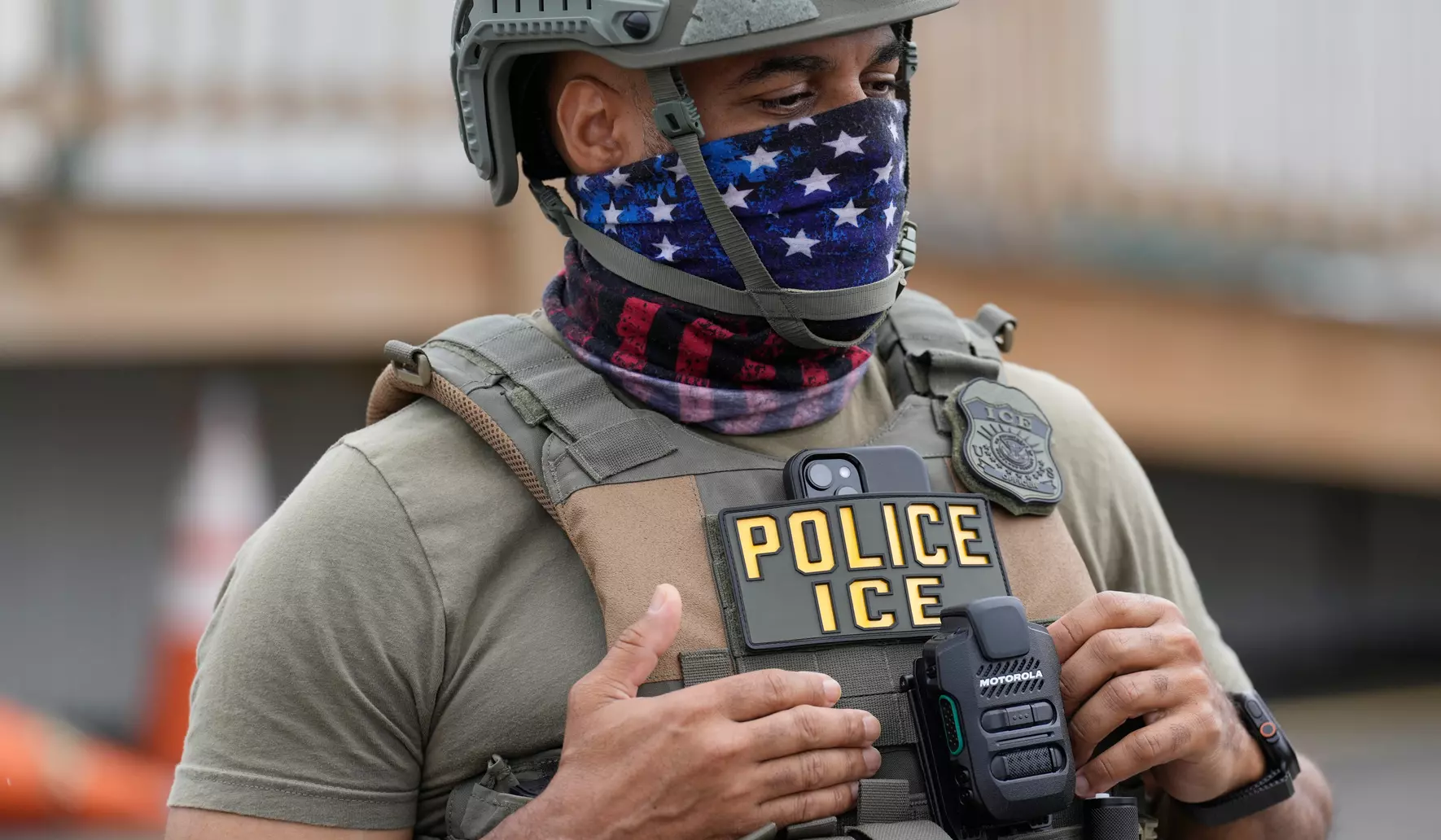
A major constitutional clash is escalating between Washington and state capitols across the country. In a series of rapid-fire federal lawsuits, the Department of Justice is aggressively challenging local laws designed to stop federal agents from covering their faces. As DOJ fights state mask bans, federal attorneys argue that state-level restrictions violate the U.S. Constitution and recklessly endanger agents on the front lines.
The legal battle reached a boiling point after blue states and major metropolitan areas passed laws aimed at forcing Immigration and Customs Enforcement (ICE) and Customs and Border Protection (CBP) personnel to uncover their faces. Consequently, the federal government has launched counter-lawsuits in multiple jurisdictions, establishing a high-stakes showdown over who dictates the rules for federal law enforcement operations.
The Nationwide Legal Battlefield: States vs. The Federal Government
The conflict spans multiple states where local legislatures have attempted to mandate transparency. State lawmakers argue that masked federal agents erode public trust and escape accountability. However, the federal government counters that these local statutes are an unconstitutional overreach.
The DOJ’s legal offensive has rapidly expanded across the country:
- Virginia Victory: Senior U.S. District Judge Robert Payne granted a preliminary injunction blocking Virginia’s mask ban just hours before it was set to take effect. The court ruled that the law likely violated the Supremacy Clause.
- New York Standoff: The DOJ filed a dueling lawsuit against Governor Kathy Hochul and Attorney General Letitia James. This filing came right as New York attempted to enforce its own strict face-covering prohibition.
- Expanding Filings: The Civil Division has launched parallel legal challenges targeting mask bans and identification mandates in Pennsylvania (Philadelphia), Connecticut, New Jersey, and California.
Accountability vs. Officer Safety: The Core Arguments
The debate exposes a massive divide between local oversight and federal operational security. State leaders insist that face coverings invite authoritarian tactics and make it impossible for citizens to identify bad actors.
Conversely, the Trump administration’s Justice Department has presented alarming data to justify the necessity of face coverings. Specifically, federal complaints cite a massive, unprecedented spike in targeted harassment against immigration agents.
| Stakeholder Group | Primary Strategic Objective | Core Legal/Operational Argument |
| State Governments (NY, VA, CT) | Public accountability and civil rights protection. | Masked agents create community fear, prevent oversight, and shield misconduct. |
| Department of Justice (DOJ) | Officer protection and federal supremacy. | DOJ fights state mask bans because unmasking leads to extreme doxing, tracking, and family threats. |
| Federal Courts (Ninth Circuit, Eastern VA) | Upholding constitutional hierarchy. | Individual states possess zero legal authority to regulate or criminalize federal operations. |
According to internal Homeland Security data filed in federal court, death threats and digital doxing campaigns against ICE officers have surged exponentially over the past year. Federal authorities argue that stripping agents of their masks leaves them and their families completely exposed to retaliatory violence.
The Constitutional Pivot: The Supremacy Clause
From a legal standpoint, the Justice Department’s strategy relies heavily on the Intergovernmental Immunity Doctrine and the Supremacy Clause of the U.S. Constitution. Federal lawyers argue that states simply do not have the power to regulate or criminalize the conduct of federal officers performing their duties.
Acting Attorney General Todd Blanche has taken a firm, uncompromising stance against these state-level mandates.
“Law enforcement officers risk their lives every day to keep Americans safe,” Blanche stated. “They do not deserve to be doxed or harassed simply for carrying out their duties. These state policies are designed to create risk for our agents, and they cannot stand.”
What Lies Ahead for Federal Law Enforcement
As federal judges consistently grant temporary injunctions, the immediate threat of state prosecution against masked federal agents has been paused. For example, Virginia’s law, which threatened non-compliant agents with a Class 1 misdemeanor punishable by up to a year in jail, is on ice while litigation continues.
Ultimately, this coordinated legal push signals that the federal government will continue to aggressively defend its operational autonomy. With appellate courts already leaning toward the federal government’s position, the ongoing campaign proves that Washington will use its full legal weight to ensure state capitals cannot dictate how federal agents protect themselves in the field.


More