Miracle Over Manhattan: Ten People Safely Rescued Following Dramatic NYC East River Plane Crash

Md.Moshail Ahmed
July 5, 2026
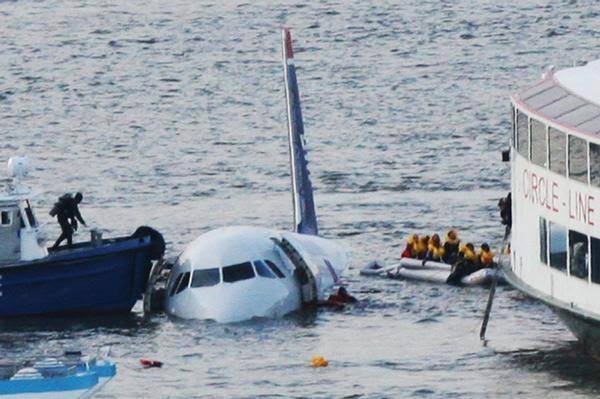
A high-stakes emergency response ended in massive relief on Sunday afternoon. This occurred after a commercial aircraft carrying ten people went down in the heart of New York City. Specifically, on July 5, 2026, a sudden NYC East River plane crash triggered an immediate mobilization of marine and air rescue teams. The seaplane experienced a severe hard landing near Midtown Manhattan. Consequently, this caused the aircraft to partially capsize and alarm hundreds of onlookers along the waterfront.
Fortunately, first responders acted with incredible speed. Therefore, the New York City Fire Department (FDNY) and the NYPD Harbor Unit quickly pulled all ten occupants from the water. Because of their swift action, officials reported zero major injuries.
Severe Hard Landing Near Busy Manhattan Skyport
The incident occurred just after 12:00 PM local time. At that time, the aircraft was operating near the NY Skyport marina. This facility is located right at East 23rd Street and the FDR Drive. Furthermore, witnesses reported seeing the white seaplane bounce aggressively across the choppy water. It did this while attempting a standard landing maneuver.
As a result, the sudden impact rapidly destabilized the aircraft. This triggered an immediate emergency intervention:
- Partial Capsizing: First, the force of the hard landing caused the plane to tip sharply onto its side. Therefore, the left wing tip became completely submerged.
- Rapid Evacuation: Next, the cabin began taking on water. However, crew members quickly managed to assist all passengers out onto the floating fuselage.
- Swift Harbor Towing: Meanwhile, emergency vessels stabilized the structural framing within minutes. Afterward, a rescue boat successfully towed the upright plane back to the dock.
Second East River Incident in Less Than a Month
Notably, this dramatic NYC East River plane crash marks the second major water aviation accident in the metropolitan area recently. For example, on June 13, a smaller private seaplane flipped over near the Throggs Neck Bridge in Queens. Yet, those occupants also survived entirely unscathed.
| Incident Date (2026) | Exact Crash Location | Total Passengers | Final Medical Outcome |
| June 13, 2026 | East River near Whitestone, Queens | 2 Passengers | Both rescued safely; minor scratches reported. |
| July 5, 2026 | East River near East 23rd Street, Manhattan | 10 Passengers | All 10 occupants rescued; zero apparent injuries. |
Because two identical incidents have occurred in the same waterway within a 30-day window, local aviation safety advocates are urging a thorough review. Therefore, federal investigators will likely inspect the area’s intense marine traffic. They also plan to look closely at unpredictable wake patterns.
Federal Officials Launch Investigation Into Accident Causes
While bystanders uploaded dozens of viral videos, city officials praised the seamless teamwork of the emergency crews. Simultaneously, police helicopters kept watch from above. Concurrently, divers verified that nobody remained trapped beneath the water surface.
“Our marine units were already pre-positioned near the marina when the distress call came in,” an FDNY spokesperson shared during an afternoon press brief. “Because of their swift positioning, we prevented a hard landing from transforming into a terrible tragedy.”
Long-Term Outlook for Manhattan Seaplane Travel
Ultimately, the successful resolution of this NYC East River plane crash highlights the incredible readiness of New York’s maritime networks. Currently, the Federal Aviation Administration (FAA) is launching a formal investigation. They will look into the exact mechanical or environmental causes of the accident. Meanwhile, the NY Skyport terminal will briefly limit incoming holiday traffic. Moving forward, commuter flight operators face an uphill task. Specifically, they must reassure travelers that water landings remain inherently safe. This is especially true even as city regulators consider placing stricter weather limits on urban river landings.


More