Diplomatic Defense: Obama Stands Firm on Original Iran Nuclear Pact as Trump Proposes New Terms

Aderson Aiden
July 4, 2026
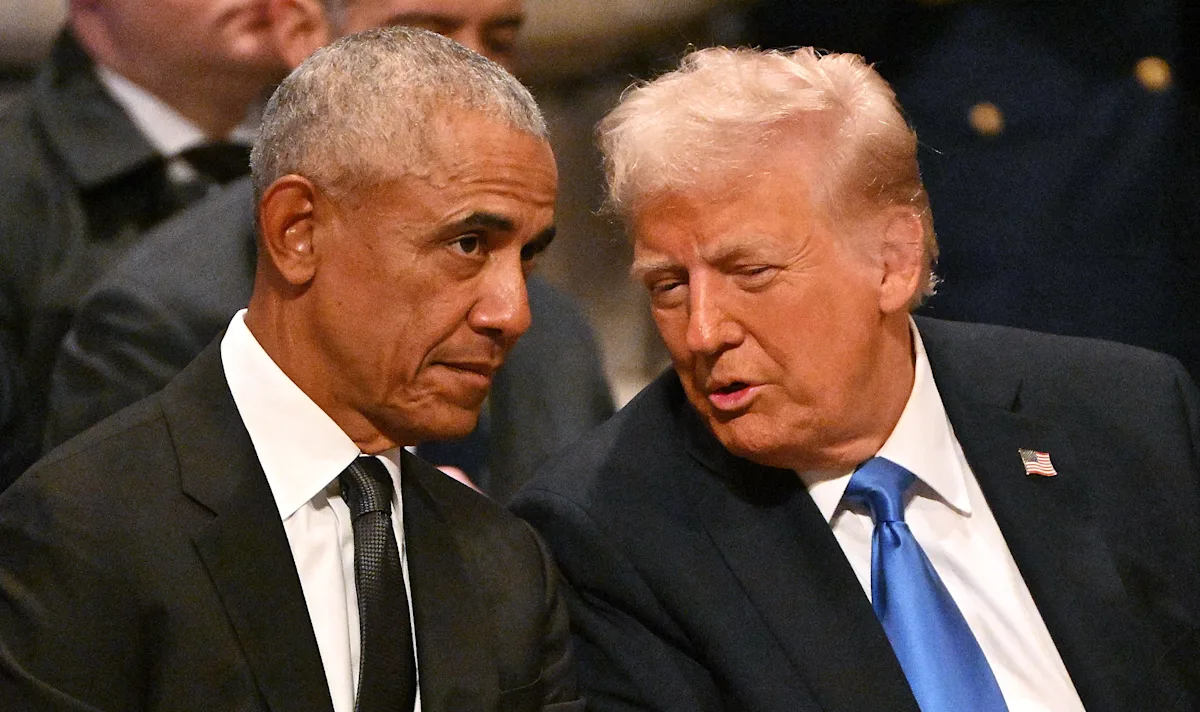
Former US President Barack Obama has strongly defended his administration’s 2015 diplomatic legacy amid fresh, high-stakes negotiations in Washington. In a widely broadcasted interview with ABC News, Obama firmly reminded the public that a fully functional agreement previously kept Tehran’s atomic ambitions in check. His comments come at a critical moment, as President Donald Trump prepares a new memorandum of understanding with the Islamic republic following months of intense regional conflict.
Reflecting on the original Obama Iran nuclear pact , formally known as the JCPOA, the former president emphasized that the deal successfully met its core global security goals before Washington unilaterally abandoned it.
“There was a deal in place in which Iran had agreed not to develop nuclear weapons,” Obama stated during the interview.“The entire international community, including Israeli intelligence and our own intelligence agencies, assessed that it was working.”
The Limits of Force and the Value of Compromise
Obama’s public reflection serves as a direct critique of the prior decision to scrap the 2015 framework. He argued that the current geopolitical instability in the Middle East highlights the inherent dangers of abandoning hard-fought international consensus.
Indeed, the former president suggested that the current administration’s new diplomatic efforts are unlikely to achieve a superior outcome:
- Skeptical Outlook: Obama expressed deep doubt that any new agreement arising today will mark a significant improvement over the original 2015 pact. www.iranintl.com
- The Reality of Diplomacy: He emphasized that successful international agreements rarely solve 100% of a problem. Instead, securing 80% to 90% of a solution effectively prevents catastrophic warfare. www.iranintl.com
- Critique of Aggression: The former leader warned that Washington cannot simply bully or bomb its way toward long-term global stability. The Hindu
A Striking Structural Parallel in Modern Negotiations
Political analysts point out that Trump’s new proposed memorandum heavily echoes the foundational pillars of the original Obama Iran nuclear pact . While critics previously slammed the 2015 accord, the current emergency economic pressures have forced a familiar transactional reality back to the table.
| Negotiated Agreement | Core Strategic Trade-Off | Primary Enforcement Verification |
|---|---|---|
| Original 2015 JCPOA | Extensive enrichment caps in exchange for global sanctions relief. | Monitored continuously by the IAEA and global intelligence assets. |
| 2026 Proposed Trump MOU | Stockpile dilution in exchange for lifting the Strait of Hormuz blockade. | Pending final confirmation ; involves a 60-day structural review mechanism. |
Furthermore, the draft memorandum reportedly focuses strictly on the nuclear file without forcing major internal moderation within the Iranian regime. This narrow scope mirrors the exact pragmatic boundaries that Obama fiercely defended during his own presidency.
Global Reactions to the Diplomatic Pivot
While current administration officials assert that the new memorandum will forever block Iran’s path to a nuclear weapon, European allies view the shift as an unspoken admission that isolating Tehran completely has failed. Meanwhile, humanitarian groups hope the sudden diplomatic opening will finally ease local civilian suffering.
Long-Term Outlook for Middle East Stability
Ultimately, the revival of US-Iran diplomacy confirms that long-term security requires structural engagement rather than perpetual conflict. Because the global community previously verified that the original Obama Iran nuclear pact functioned as intended, it now provides an unavoidable blueprint for modern lawmakers. Moving forward, international monitors face an uphill task. They must quickly rebuild a rigorous inspection network to ensure that this secondary round of diplomacy successfully stabilizes the region’s volatile landscape.