Trump Announces New Doha Talks, Iran Demurs

Aderson Aiden
June 30, 2026
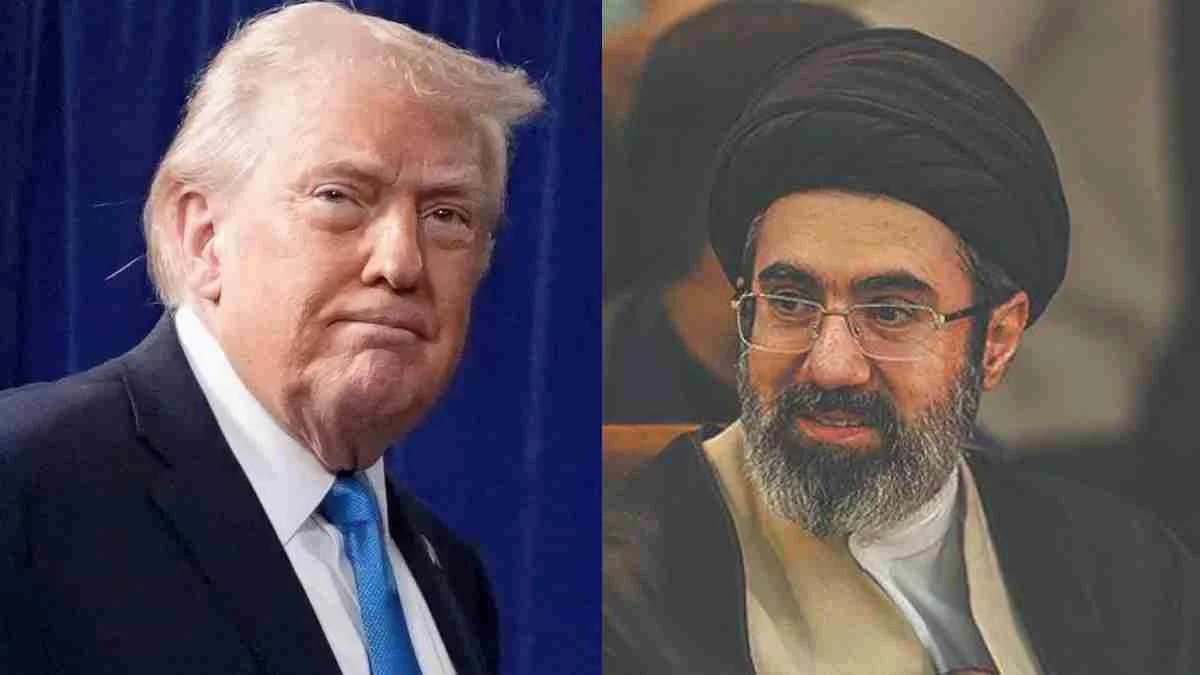
President Donald Trump announced Monday that the US and Iran will hold fresh talks in Doha, Qatar on Tuesday. Tehran quickly contradicted his account. The conflicting claims leave the diplomatic picture murky. They come just as a fragile ceasefire teeters after days of renewed hostilities in the Gulf.
Trump’s Announcement
Trump made the announcement on Truth Social. He said Tehran had initiated the meeting. “IRAN HAS REQUESTED A MEETING. IT WILL TAKE PLACE TOMORROW IN DOHA!” he wrote, using his trademark all-caps emphasis.
White House Press Secretary Karoline Leavitt confirmed the trip. She said special envoy Steve Witkoff and presidential adviser Jared Kushner will travel to Qatar to lead “high-level meetings” this week. Technical-level discussions will take place on the sidelines, she added. A White House official told reporters the two men will “continue regional dialogue” on the memorandum of understanding the US and Iran signed earlier this month.
Iran Pushes Back
Tehran’s response broke sharply from Washington’s framing. Iran’s Foreign Ministry spokesman, Esmaeil Baghaei, denied that any negotiating session was scheduled. Iran “will not have any negotiation meetings at any level with the American side in the coming days,” he said. He added that the US officials’ travel to Qatar “has nothing to do with” Iran’s separate delegation visit.
Iran’s deputy foreign minister, Kazem Gharibabadi, echoed that message. He said consultations with mediator Qatar are ongoing. But he said technical talks with the US aren’t planned for this week. They’ll resume only “when the conditions are met,” he said. Iranian officials say Tehran is sending an expert delegation to Doha for a narrower purpose: following up on the release of frozen Iranian funds. They insist this isn’t a negotiation with US counterparts.
Even Trump hedged after his initial post. He told reporters the Doha meeting “is going to be perhaps important, perhaps not.”
Why Tensions Resurfaced
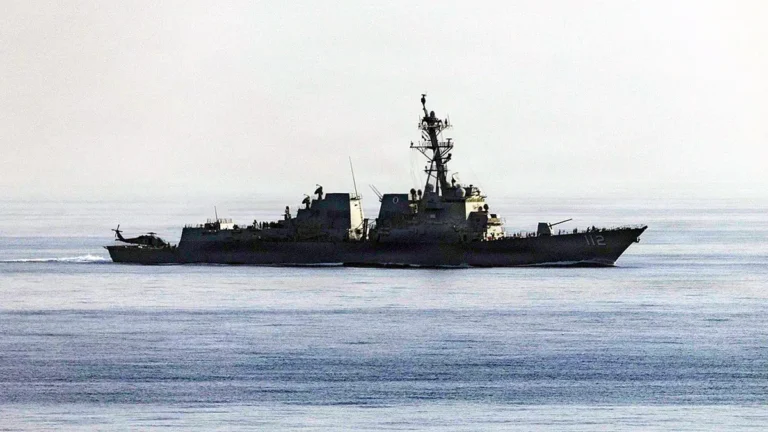
The conflicting signals follow a sharp escalation. Iran struck a cargo ship near Oman, just outside the Strait of Hormuz. The US retaliated. Iran then hit American military and naval facilities in Kuwait and Bahrain. Iran also canceled technical talks that had been set for Sunday. State-linked media cited the weekend’s attacks and unmet conditions of the memorandum, including the release of frozen Iranian assets.
Trump issued one of his starkest warnings yet in response. “There may come a point when we are no longer able to be reasonable, and will be forced to militarily complete the job that we very successfully started,” he wrote. “If that happens, the Islamic Republic of Iran will no longer exist!”
Despite the rhetoric, US officials say both sides agreed to stand down for now. They’ll also let commercial vessels resume transiting the Strait of Hormuz. The chokepoint typically carries about a fifth of the world’s oil traffic.
The Broader Diplomatic Context
The current friction sits on top of a memorandum of understanding the US and Iran signed earlier this month. That deal opened a 60-day window to negotiate the toughest issues between the two countries, especially Iran’s nuclear program. It followed a volatile stretch dating back to February. That period included Israeli and US strikes on Iranian targets, a brief suspension of nuclear talks, and a high-level summit in Switzerland. Qatar and Pakistan mediated that summit and helped set up communication channels meant to prevent further Gulf incidents.
Israel has also continued striking Lebanon, despite signing a separate ceasefire on June 26. Analysts say this could complicate the US-Iran track further. Iran has signaled that any lasting deal must also address Lebanon.
Bottom Line
The gap between Washington’s and Tehran’s statements shows how unsettled this process remains. Trump is calling Tuesday’s gathering a substantive, Iran-requested negotiating session. Iranian officials call it a limited technical visit focused on frozen assets. They explicitly deny planning any negotiations with US counterparts. Whether the two delegations’ presence in Doha produces real engagement, or just more conflicting headlines, remains to be seen.
Sources
- CNBC, “Trump says U.S. and Iran to hold fresh talks in Qatar on Tuesday following weekend clashes” (June 29, 2026) — https://www.cnbc.com/2026/06/29/trump-us-iran-talks-qatar-hormuz.html
- NPR, “Trump says the U.S. and Iran will meet in Qatar after weekend attacks” (June 29, 2026) — https://www.npr.org/2026/06/29/nx-s1-5874618/us-iran-talks
- The Washington Times, “Trump says U.S. and Iran will resume peace talks in Doha, Qatar” (June 29, 2026) — https://www.washingtontimes.com/news/2026/jun/29/donald-trump-says-us-iran-resume-peace-talks-doha-qatar/
- Al Jazeera, “Trump announces meeting with Iran in Qatar despite military skirmishes” (June 29, 2026) — https://www.aljazeera.com/news/2026/6/29/trump-announces-meeting-with-iran-in-qatar-despite-military-skirmishes
- TIME, “Trump and Iranian Officials Make Conflicting Remarks About Next Steps in Talks After Days of Hostilities” (June 29, 2026) — https://time.com/article/2026/06/29/us-iran-ceasefire-attacks-strikes-peace-talks-mou/
- Al Jazeera (live blog), “Iran war live: Tehran denies Trump’s claim of meeting in Doha” (June 30, 2026) — https://www.aljazeera.com/news/liveblog/2026/6/30/iran-war-live-tehran-denies-trumps-claims-of-meeting-in-doha
- Wikipedia, “2025–2026 Iran–United States negotiations” — https://en.wikipedia.org/wiki/2025%E2%80%932026_Iran%E2%80%93United_States_negotiations