US-Iran Peace Deal on the Brink: Prediction Markets Crater as Nuclear Talks Stall and Deadline Looms

Jubayer Alam
June 27, 2026
Indeed, what looked like a historic diplomatic breakthrough just two weeks ago is now hanging by a thread. Consequently, prediction market odds for a permanent US-Iran peace deal have completely cratered. Furthermore, Iran strongly resists every core American demand regarding its nuclear program. Meanwhile, drones have already struck a commercial cargo ship navigating the Strait of Hormuz. Ultimately, a 60-day ceasefire window is burning down incredibly fast. This specific window remains the only thing standing between diplomacy and renewed war.
Currently, the world’s most consequential diplomatic negotiation of 2026 is collapsing in real time. Therefore, global markets are watching every single move closely.
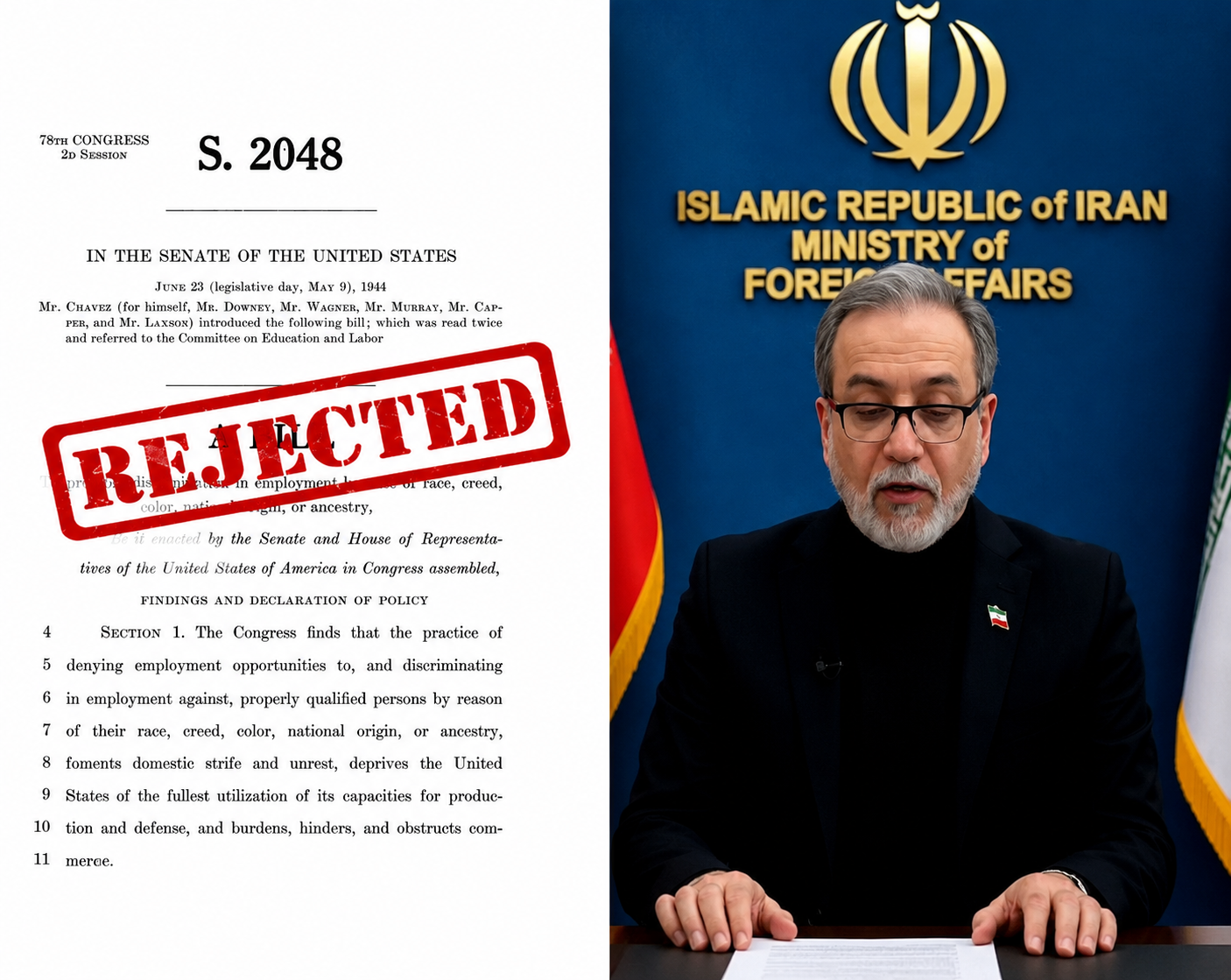
Specifically, odds on Polymarket have fallen dramatically. This platform operates as the world’s largest prediction market. Traders noted this sharp drop as the situation on the ground rapidly deteriorates. Consequently, insiders now broadly expect Iran to formally reject the current framework. They anticipate this rejection before the 60-day ceasefire window closes in mid-August.
This collapse in market confidence mirrors a severe cascade of bad news. First, Iran currently disputes key terms it allegedly agreed to previously. Second, drones recently struck commercial ships navigating the Strait of Hormuz. Third, both sides continue issuing contradictory statements regarding international nuclear inspections. Finally, an unpredictable Israeli wildcard keeps threatening to blow the entire framework apart.
Initially, this process began on June 15 as a highly promising diplomatic breakthrough. Now, it stands in serious danger of becoming yet another massive failure. Unfortunately, this would add a tragic chapter to the long and tortured history of US-Iran relations.
📜 How We Got Here: A Deal That Was Supposed to Change Everything
To understand this rapid deterioration, observers must look back at recent history. Specifically, you have to examine the extraordinary sequence of events that preceded this crisis.
On February 28, 2026, the United States and Israel launched large-scale military strikes on Iran. These specific strikes killed Supreme Leader Ali Khamenei alongside multiple senior government officials. In response, Iran actively closed the Strait of Hormuz. During peacetime, roughly 20% of the world’s oil and natural gas flows through this vital chokepoint. Consequently, this sudden closure triggered a massive energy shock felt across global markets. Afterward, the US imposed a strict naval blockade on Iranian ports. As a result, the two countries effectively entered a state of war.
Following this, months of brutal fighting and stalled diplomacy occurred. At various points, President Trump demanded Iran’s absolute and unconditional surrender. Additionally, he set and subsequently missed multiple negotiating deadlines. He even threatened to wipe out a whole civilization. Conversely, Iran firmly rejected multiple US proposals. Tehran issued its own aggressive counterdemands instead. Most importantly, Iranian officials refused to halt uranium enrichment. Trump has repeatedly called this single issue a strict personal red line.
Then, Pakistani Prime Minister Shehbaz Sharif made a major announcement on June 12. He stated that the US and Iran finally reached the final text of a peace deal. Next, diplomats formally announced a framework agreement on June 15. This Memorandum of Understanding established a critical 60-day ceasefire period. During this window, further talks must address severely unresolved issues. These include Iran’s nuclear program, specific uranium enrichment levels, and highly enriched uranium stockpiles.
Subsequently, Trump and Iranian officials signed the MOU on June 17. Because of this, the Strait of Hormuz began reopening to commercial shipping. Naturally, global markets surged in response. Furthermore, prediction market odds for a permanent deal briefly hit near-certainty levels.
For a brief and dizzying moment, it looked like the war was officially over. Tragically, it was not.
💥 The Immediate Unraveling: Contradictions on Day One
The ink had barely dried on the MOU before massive contradictions began piling up.
Specifically, US Vice President JD Vance made a bold statement on the first day of direct talks. He claimed that Iran would allow international nuclear inspectors back into the country. However, Iran’s Foreign Ministry firmly denied this claim the very next day. During a press conference in Tehran, spokesman Esmaeil Baghaei clarified the situation. He stated that Iranian officials had not met with IAEA Director General Grossi. Moreover, they possessed no clear schedule for inspectors to examine Iranian nuclear facilities.
Regarding frozen assets, Iran’s top negotiator Mohammad Bagher Ghalibaf shared a different perspective. He announced an agreement to release $12 billion in frozen Iranian funds. Conversely, Vance offered a highly conditional statement. He noted that authorities would only use unfrozen assets to buy US agricultural products. Furthermore, the US and Qatar would retain strict approval over this process.
Naturally, Iran flatly rejected that restrictive framing. Spokesperson Baghaei quickly dismissed reports that anyone would force Iran to buy US foodstuffs. He insisted that authorities will release the assets for unrestricted use. Ultimately, Iran plans to employ these funds with absolute liberty to purchase needed national commodities.
We see two entrenched sides holding one supposed agreement. Yet, they offer completely different accounts of its actual text.
Meanwhile, Iran’s Foreign Ministry provided another update via state media. They stated that Tehran was still reviewing the US proposal. However, they had already strongly rejected several of its terms. This wide gap between Washington and Tehran did not represent a mere negotiating tactic. Instead, it exposed a fundamental disagreement about what both sides had actually agreed upon.
☢️ The Nuclear Wall: Iran’s Refusal to Budge
At the center of everything sits a massive, immovable object. Specifically, Iran’s nuclear program has successfully derailed every single round of diplomacy.
Under the US 14-point peace proposal, negotiators presented strict requirements. First, Iran must firmly agree not to develop a nuclear weapon. Second, Tehran must halt all uranium enrichment for at least 12 years. Third, they must hand over an estimated 440 kg stockpile of highly enriched uranium. In exchange, the US offered a gradual lifting of sanctions. Additionally, Washington promised the release of billions in frozen assets.
Unsurprisingly, Iran has refused these terms completely. Tehran consistently maintains what it describes as an inalienable right to enrich uranium. Therefore, Iranian leaders demand that diplomats defer any discussion of the nuclear program. They insist on securing a permanent end to hostilities first.
This specific sequencing dispute does not represent a minor technicality. Rather, it forms the absolute core impasse of these talks. Iran wants the first stage of negotiations to focus strictly on ending hostilities. Additionally, they prioritize ensuring maritime security in the Gulf. Only then will they move to secondary negotiations about wider issues like the nuclear program. In contrast, Washington insists that negotiators must resolve the nuclear issue first.
President Trump made this his strict personal red line throughout the entire conflict. He emphasized this stance clearly in a May statement. ‘The only thing that matters when I am talking about Iran is they cannot have a nuclear weapon,’ Trump stated. He added that he does not think about Americans’ financial situations or anybody else. ‘I think about one thing. We cannot let Iran have a nuclear weapon. That is all,’ he concluded.
By late June, the nuclear question remained entirely stalled despite the MOU signing. Consequently, the situation stayed exactly where it had been for months. It remains totally unresolved, hotly contested, and highly explosive.
⚓ The Drone Strike That Rattled Markets
Then, a sudden escalation arrived that prediction market traders actively dreaded.
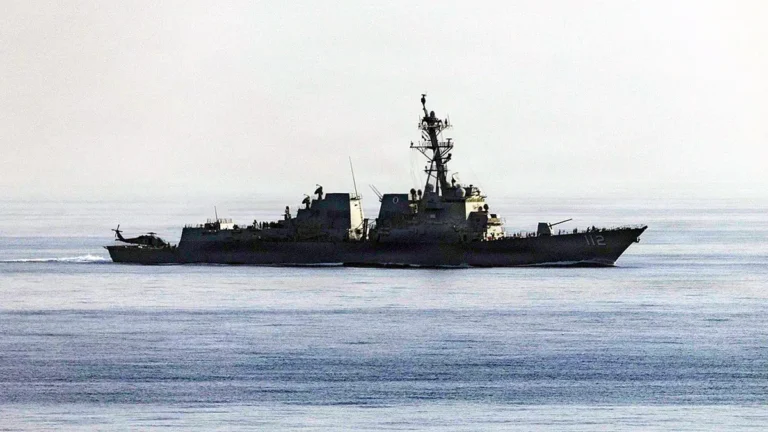
President Trump announced a disturbing military development. He stated that Iranian forces fired four one-way attack drones at the Strait of Hormuz. These weapons successfully hit a commercial cargo ship. Consequently, this action blatantly violated the 60-day ceasefire extension. This attack rapidly escalated regional tensions and heavily reduced market confidence regarding a near-term final deal. Indeed, the incident represented a direct cease-fire violation. Precisely this kind of event had previously cratered diplomatic confidence during earlier rounds of the conflict.
Iranian forces have effectively controlled the Strait of Hormuz since late February. They virtually shut down this vital passage for around 20% of the world’s oil supply. In response, the US Navy blockaded major Iranian ports. Furthermore, American officials claim Iran actively laid mines throughout the strait.
Fortunately, commercial ship crossings had recently begun recovering. Data showed 39 ships crossing in a single day after the MOU signing. Before the war, roughly 100 ships made this transit daily. However, the new drone strike on a Singapore-flagged cargo ship sent a chilling signal. It proved that the waterway remained extremely dangerous and the ceasefire highly fragile.
Naturally, global oil prices responded immediately to this renewed uncertainty. These prices had already remained highly volatile throughout the conflict. Furthermore, they had previously spiked above $100 per barrel at the absolute height of the crisis.
📉 The Prediction Market Verdict: Confidence Evaporating
We see the deterioration of diplomatic confidence most visibly in prediction markets. These platforms have rigorously tracked this geopolitical crisis in real time.
Less than two weeks ago, Polymarket traders displayed significant optimism. They priced in a greater than 75% probability of a permanent US-Iran deal landing before July. Suddenly, those same odds cratered to roughly 27%. This massive collapse illustrates exactly how quickly geopolitical optimism can evaporate. Unsurprisingly, the main culprit remained incredibly familiar. It was Iran’s controversial nuclear program.
Specifically, Iran absolutely refused to halt its uranium enrichment operations. Reports indicate their stockpiles currently hold uranium enriched to nearly 60% purity. Consequently, this stubborn stance drained whatever confidence traders had recently built up. Earlier this year, prediction markets showed much higher hopes. They priced in a 67% to 74% likelihood of a peace deal materializing by mid-2026. This range accurately reflected a distinct period of cautiously optimistic diplomatic signals.
Now, the crucial August mid-deadline is approaching fast. As a result, odds for a permanent deal by that date have fallen below 20%. The crowd-implied probability for a year-end permanent deal reflects a stark reality. Specifically, the June 2026 MOU explicitly postpones the core nuclear negotiations. It pushes them into a tight 60-day window. Ultimately, this approach leaves the definitive cessation of hostilities completely unsecured.
Many prediction market traders previously bought ‘yes’ shares on a deal at 75%. For these specific investors, financial losses remain incredibly severe. Currently, these traders sit on active positions worth roughly a third of what they originally paid.
🇮🇱 The Israel Wildcard
Israel complicates this entire situation even further. Officials did not formally include Israel in the direct US-Iran negotiations. Nevertheless, Israeli military actions have repeatedly threatened to derail the entire peace process.
President Trump and Israeli Prime Minister Benjamin Netanyahu speak often by phone. However, they have found themselves at odds on several occasions recently. Furthermore, Israel did not directly participate in the active negotiations with Iran. Israeli officials previously stated they would support a diplomatic agreement. Yet, they expressed numerous serious reservations about the specific terms currently under discussion.
This underlying tension finally boiled over in a dramatic fashion. Israel launched a heavy airstrike on a Hezbollah stronghold in Beirut’s southern suburbs. Crucially, this happened precisely as diplomats finalized the US-Iran deal. Trump quickly addressed the incident on Truth Social. ‘This morning’s attack on Beirut should not have happened,’ Trump wrote. He emphasized this point because diplomats were so close to a peace deal.
In response, Iran established a very strict baseline. They made a full ceasefire in Lebanon a completely non-negotiable condition for any permanent agreement. This demand includes a total end to Israeli military operations there. Meanwhile, Israel clearly stated it will maintain active troops in southern Lebanon indefinitely.
Recent US intelligence reports recently added another thick layer of tension. These documents reportedly indicate that Israeli spy agencies actively eavesdropped on American negotiators. Specifically, they monitored diplomats working on the fragile Iran deal. However, the Israeli embassy in Washington firmly denied these serious allegations.
This complex Lebanon knot may prove entirely impossible to untangle. Negotiators must solve it within the strict 60-day window. If they fail, the entire diplomatic framework risks unraveling completely along with it.
⚠️ What Happens If the Deal Fails
Ultimately, the consequences of a complete diplomatic collapse remain both severe and immediate.
President Trump has made the alternative scenario incredibly clear. He recently spoke to The New York Times about his backup plans. He stated that if negotiators reach no deal, he could authorize new military attacks on Iran. Alternatively, he might make the US the supreme guardian of the Middle East. He would do this in exchange for 20% of the region’s total revenues.
Throughout these negotiations, the US military maintained two massive aircraft carriers in the Middle East. Trump confirmed this aggressive posture on Truth Social. He wrote that all ships will remain in place just in case they must reinstitute the blockade.
Any return to active conflict would immediately threaten the Strait of Hormuz again. Before the devastating war, roughly 100 ships per day safely made this crossing. At the absolute height of the crisis, that vital number completely collapsed. Therefore, a renewed naval blockade would undoubtedly send oil prices surging once more. This spike would trigger massive cascading effects on global inflation. Additionally, it would severely impact interest rates and equity markets worldwide.
Secretary of State Marco Rubio recently spoke from Bahrain on June 25. He offered very little comfort to observers hoping for a quick diplomatic resolution. Rubio boldly declared that there would be no real peace or stability in the Middle East. He blamed non-state actors operating within the boundaries and borders of sovereign countries. Specifically, he pointed out that Iran actively funds these dangerous militant groups.
For his part, Trump maintained a highly confident posture. He spoke at a White House dinner with prominent American farmers. There, he insisted the US currently negotiates from a position of pure strength. He repeated his guarantee that Iran will not ever acquire a nuclear weapon. Furthermore, he claimed Tehran desperately wants to make a deal very badly. However, Iranian officials have certainly not echoed that level of confidence publicly.
⏳ The 60-Day Clock
The original MOU signed on June 17 established a strict 60-day window. This timeline requires diplomats to negotiate a final binding agreement quickly. Consequently, the hard deadline falls right in the middle of August. Currently, less than seven short weeks remain on the clock.
Despite this urgency, the two sides have not agreed on crucial nuclear inspections. They also remain divided on the ultimate fate of enriched uranium stockpiles. Likewise, disputes continue over the exact status of frozen financial assets. Furthermore, they cannot agree on the joint management of the Strait of Hormuz. Finally, unresolved issues include Iran’s support for armed groups and the specific terms of sanctions relief.
This massive list of disagreements does not represent a simple negotiating gap. Indeed, these unresolved issues constitute the entire proposed deal.
Analysts closely monitoring these talks note a very depressing reality. The deep structural problems have not changed at all since before the war started. First, Iran desperately wants an immediate end to hostilities. They prefer handling complex nuclear talks much later. Second, the US insists that verifiable nuclear concessions must come before any sanctions relief.
Currently, both geopolitical positions remain deeply entrenched. Both sides possess strong domestic political reasons to hold firm. Unfortunately, the countdown clock is moving much faster than the actual diplomacy.
Prediction markets often exhibit extreme volatility. However, they are currently reflecting something incredibly real. The mathematical probability that this 60-day window produces a permanent peace is falling rapidly. It is definitely not rising.
The temporary ceasefire is holding right now, but only barely. The critical strait remains open, though only partially. But what about the comprehensive deal designed to lock all of this in permanently? Sadly, it remains just entirely out of reach. It has stayed this way throughout this entire grueling crisis.
The entire world is anxiously watching this dangerous deadline approach. Meanwhile, the diplomatic odds are definitely not moving in the right direction.