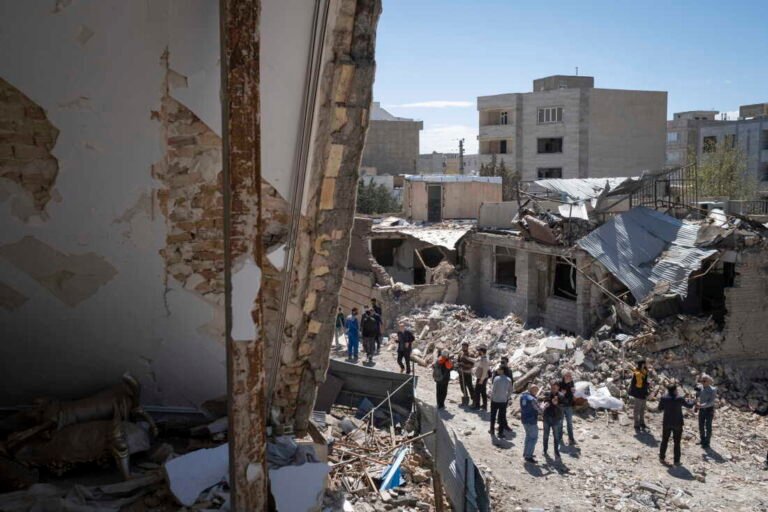
Strategic Development: Five Structures Affected as Varanasi Progress Prompts New UP Mosque Removal Campaign

Md.Moshail Ahmed
July 4, 2026
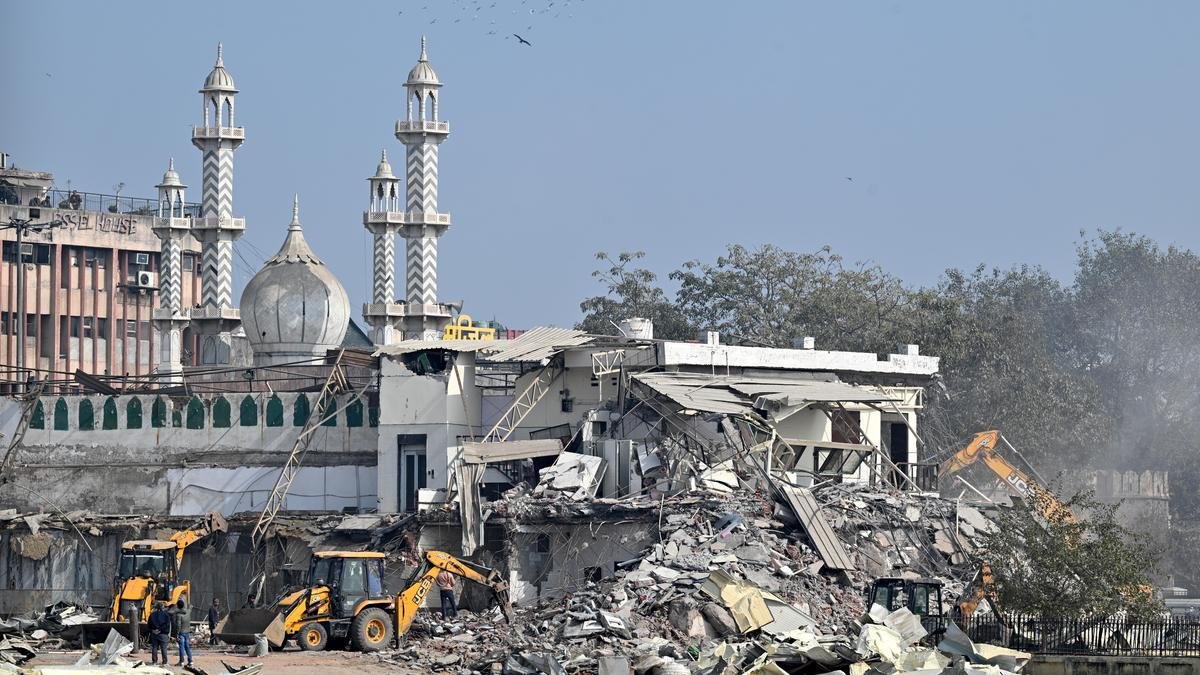
Government authorities in northern India have launched a highly coordinated infrastructure drive. In the state of Uttar Pradesh, a sweeping UP mosque removal operation commenced early Wednesday morning in Varanasi’s dense Dal Mandi area. Security forces completely cordoned off local lanes as municipal teams began dismantling portions of five separate mosques. While the state insists the construction work targets objective traffic clearing, the enforcement acts as a lightning rod amid a broader nationwide debate over the protection of minority religious properties.
State administrators firmly defend the ongoing urban renewal plan. Officials note that the current UP mosque removal initiative is strictly legal. They state that the project clears structures that directly block a vital, heavily congested public transit route.
High Court Decides Public Welfare Takes Legal Precedent
The aggressive expansion of the road project received absolute clearance from the judiciary just as operations began. The Allahabad High Court officially dismissed petitions filed by local shopkeepers who sought to block the construction. Crucially, the bench ruled that the Places of Worship (Special Provisions) Act of 1991 preserves the basic religious identity of a site but does not block the state from acquiring land for legitimate public utilities.
The court’s decision explicitly cleared several vital paths for the city:
- Dal Mandi Road-Widening: The project will widen a cramped 650-meter corridor into a modern 17.5-meter thoroughfare to ease intense local traffic.
- Kashi Vishwanath Connectivity: The expanded route will serve as a primary alternative access pathway for millions of tourists visiting the historic Kashi Vishwanath Corridor.
- Mutual Compensation Agreements: The Public Works Department (PWD) verified that trustees of the five affected mosques formally consented to the plan in exchange for statutory financial compensation.
Varanasi Proposes 17.5m Road Expansion 🗺️ -> High Court Rules Public Utility Overrides Injunctions ⚖️ -> PWD Secures Trustee Compensation Consent 🤝 -> 1,800+ Personnel Guard Demolition Zones 🛡️
A Complex Structural Challenge in Historic Zones
Unlike previous contested actions across the state, municipal engineers are not flattening these buildings entirely. Instead, laborers are carefully removing only the specific front boundary walls and structural segments that physically cross into the newly designated road alignment boundaries.
| Affected Religious Site | Historical Context & Location | Active Status of the Structure |
| Mirza Karimullah Beg Mosque | Located directly behind the Chowk police station. | Front wall successfully dismantled; road widening underway. |
| Ali Raza Khan Mosque | A 200-year-old local landmark on Nai Sadak. | Deepest structural impact expected due to immediate road curvature. |
| Langde Hafiz Mosque | Situated near the Kapda Market entrance. | Demolition paused by authorities due to separate pending litigation. |
Furthermore, the administration has hidden the active work zones behind giant tin sheets and cloth barricades to keep operations discreet. Overhead, police drone teams monitor the crowded market grid round-the-clock to prevent any localized flare-ups or spontaneous public protests.
Community Anxiety and the Push for Legal Protection
Despite the official compensation packages, the structural changes have caused deep distress within the historic Muslim neighborhood. Many residents emphasize that these centers have anchored the community’s spiritual life for centuries.
“The expansion will leave some of our historic prayer halls with only a few feet of space,” a local caretaker shared anonymously. “While we chose to cooperate peacefully with the city to avoid conflict, watching these ancient walls crumble under hammers hurts our community deeply.”
Long-Term Outlook for Regional Heritage and Transit
Ultimately, the ongoing UP mosque removal project highlights the intense friction between preserving ancient urban heritage and building modern transportation systems. By explicitly ruling that infrastructure projects take precedence over old property deeds, the High Court has granted local developers an incredibly powerful mandate. Moving forward, the city must work quickly to finish the ₹215-crore project. Engineers face the delicate task of delivering smooth, modern transit to the temple district while trying to respect the wounded pride of Varanasi’s diverse neighborhoods.



More