Devastation in Kyushu: Japan Earthquake July 2026 Death Toll Rises as Power and Water Outages Persist

Aderson Aiden
July 30, 2026
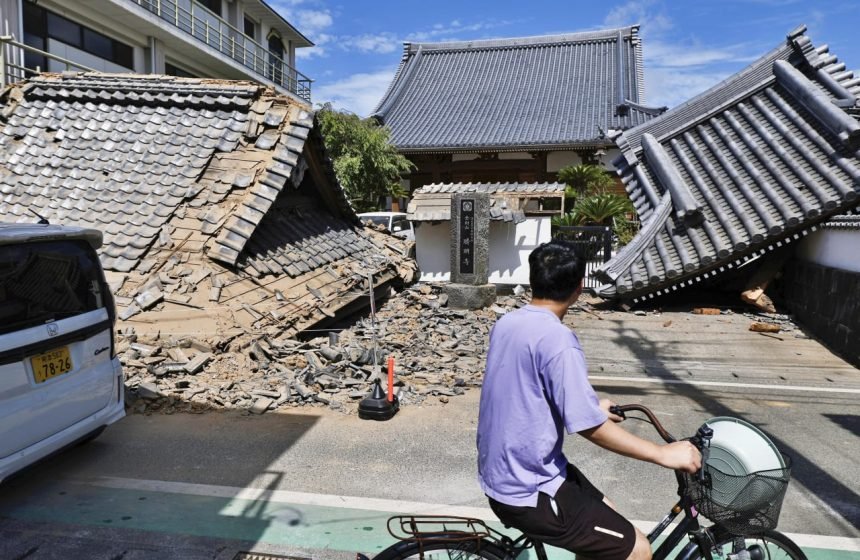
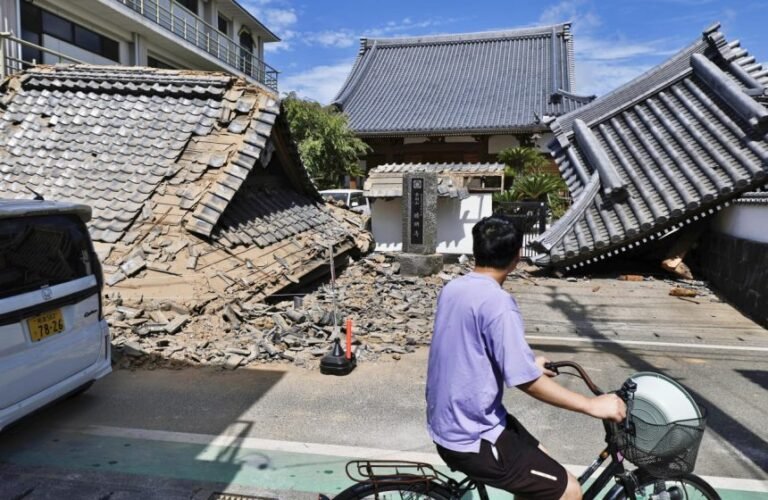
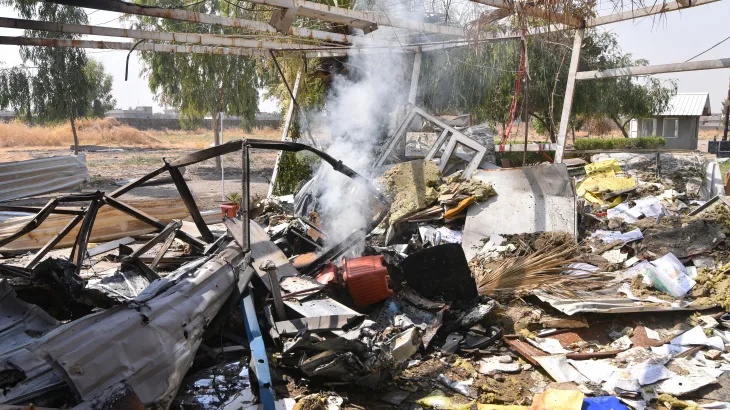
A humanitarian crisis is unfolding across southwestern Japan following a powerful seismic shock. Consequently, official reports confirm the Japan earthquake July 2026 death toll has risen to at least 25 individuals. The shallow 7.1-magnitude earthquake centered in Kumamoto Prefecture caused extensive infrastructure damage and triggered dangerous landslides. Therefore, emergency response teams and Japan Self-Defense Forces are working frantically to rescue survivors trapped under collapsed buildings. Meanwhile, extreme summer heat index levels are creating life-threatening conditions for displaced residents.
Heatwave Compounds Suffering for Thousands Without Utilities
In Kumamoto City and surrounding towns, municipal water networks and power grids suffered catastrophic damage. Furthermore, over 40,000 households remain without running water or electricity as temperatures climb past 35°C (95°F). Emergency management officials opened air-conditioned shelters running on backup generators to prevent widespread heat exhaustion.
Meanwhile, search-and-rescue teams equipped with specialized sniffer dogs are scouring collapsed residential areas.
“Our immediate priority is saving lives and restoring basic life support services to affected communities. We are deploying military water tankers and mobile generators to shelter zones.”
—Cabinet Office Disaster Response Task Force
Ultimately, this dual challenge of severe structural damage and extreme weather is taxing local emergency services. Debris clogs municipal roadways. Moreover, healthcare centers are operating on emergency power while treating hundreds of injured residents.
Seismological Profile and Infrastructure Damage Breakdown
Seismologists from the Japan Meteorological Agency confirmed that the M7.1 tremor occurred along active fault lines in central Kyushu. Indeed, strong ground acceleration damaged critical infrastructure, including traditional landmarks like Kumamoto Castle and modern transit lines. Nevertheless, automated early warning systems prevented higher loss of life on high-speed rail lines. Specifically, tracking the Japan earthquake July 2026 death toll remains a critical priority for national relief agencies.
Currently, utility crews are conducting urgent repairs on high-voltage transmission lines and main water trunk lines. These engineering teams aim to restore basic service to evacuation hubs within 48 hours. Because of frequent aftershocks, residents are advised to remain alert for secondary landslides. As a result, transportation corridors remain under strict safety inspections.
For further analysis on natural disaster response, explore our Asian Regional Security Reports. Alternatively, read about infrastructure resilience under Climate Risk Analysis.
Urgent Relief Efforts and Tsunami Risk Status
The Japan Meteorological Agency confirmed that while initial tsunami advisories were issued, all coastal warnings have since been lifted. Additionally, international relief organizations are coordinating with local authorities to deliver clean drinking water and medical supplies. Officials emphasize that restoring power remains essential to operating life-saving air conditioning systems. We also observe growing coordination between prefectural governments across Kyushu.
Without immediate utility restoration, extreme heat poses a grave threat to elderly evacuees. Consequently, disaster management authorities are focusing all available resources on high-risk communities.
Key Takeaways
| Indicator | Impact Details |
| Casualties | At least 25 confirmed dead; hundreds of injured across Kumamoto Prefecture. |
| Utility Status | Over 40,000 households without water and power amid high summer heat. |
| Tsunami Risk | Initial tsunami advisories lifted; no further ocean threat reported. |