Escalation in the Middle East: US Launches Heavy Strikes on Iran Following Base Attacks

Aderson Aiden
July 30, 2026
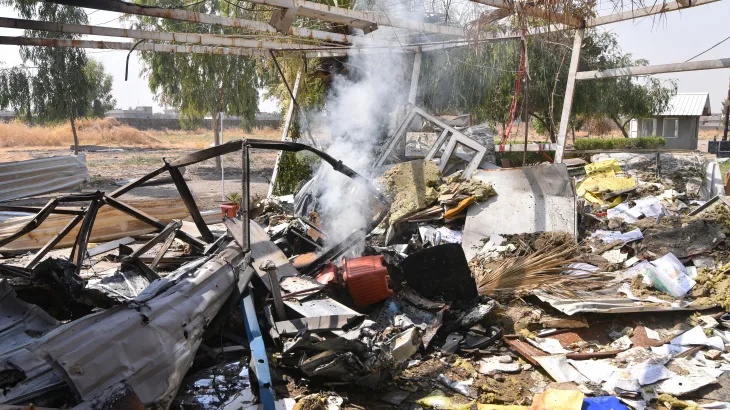
A dangerous military confrontation is expanding across the Middle East. Consequently, massive US strikes on Iran Middle East crisis operations hit strategic command hubs and missile launch sites. The retaliatory campaign follows a barrage of Iranian ballistic missiles targeting US military bases in Jordan. Therefore, President Donald Trump authorized precision airstrikes to degrade Iran’s offensive capabilities. Meanwhile, Iranian forces launched simultaneous drone and missile salvos toward multiple regional nations. However, international leaders warn that full-scale regional war now poses an imminent global risk.
Precision Airstrikes Target High-Value Strategic Assets
US Central confirmed Command that heavy bombers and naval platforms fired precision munitions across multiple Iranian provinces. Furthermore, military planners prioritized ballistic missile factories, coastal radar arrays, and IRGC command nodes. Reporting from Washington, defense officials emphasized that the strikes aimed directly at neutralizing ongoing missile threats.
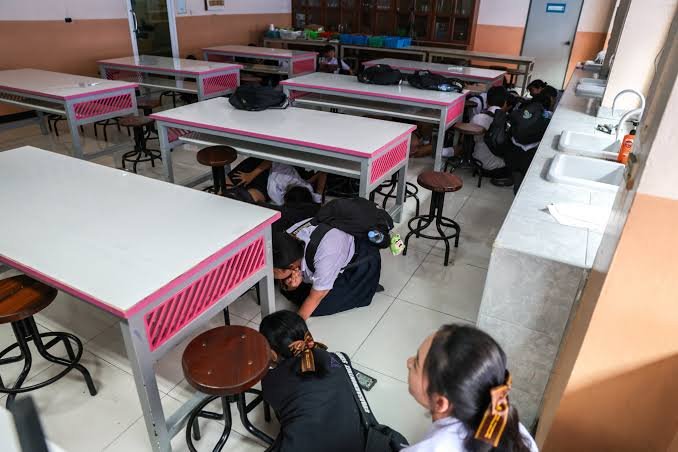
Meanwhile, emergency warning sirens sounded across regional capitals as air defense systems intercepted incoming Iranian drones.
“The United States will not tolerate attacks on American service members or our regional partners. Our military actions are targeted, decisive, and designed to eliminate threats to global stability.”
— Statement from US Central Command
Ultimately, this sudden military escalation marks the most severe direct conflict between Washington and Tehran in decades. Emergency medical teams mobilized across strike zones. Moreover, commercial airlines immediately grounded transcontinental flights crossing Middle Eastern airspace.
Military Dynamics Driving the US Strikes Iran Middle East Crisis
Defense analysts emphasize that Iran’s proxy network and direct missile arsenals create a volatile two-front scenario. Indeed, salvo attacks targeting American outposts in Jordan demonstrated expanded regional reach. Nevertheless, US integrated air defenses successfully intercepted a majority of incoming warheads. Specifically, the intense US strikes on Iran Middle East crisis highlights the fragility of deterrence across Persian Gulf choke points.
Currently, foreign intelligence agencies are evaluating damage across targeted Iranian weapons facilities. These specialized assessment teams seek to determine if command structures remain operational. Because of these rapid military maneuvers, global financial markets experienced sharp energy price spikes. As a result, international diplomatic bodies are assembling for emergency security consultations.
For further analysis on regional security risks, explore our Middle East Military Reports. Alternatively, read about global market impacts under Energy Market Vulnerability Analysis.
Global Repercussions and Diplomatic Urgency
United Nations officials called for an immediate cessation of hostilities to prevent regional economic collapse. Additionally, NATO allies reiterated support for US defensive measures while urging open diplomatic channels. Officials stress that prolonged kinetic warfare risks closing critical shipping channels like the Strait of Hormuz. We also observe growing bipartisan debate in Washington over war powers and long-term strategy.
Without swift diplomatic intervention, direct military exchanges will continue expanding. Consequently, the crisis threatens to draw additional regional nations into open warfare.
Key Takeaways
| Indicator | Impact Details |
| Primary Trigger | Iranian ballistic missile attack targeted US military bases in Jordan. |
| US Response | President Trump authorized heavy precision strikes on IRGC command & missile sites. |
| Regional Impact | Iran launched drones toward regional targets; commercial airspace grounded. |