Ethiopia Landslide Kills at Least 14 at Monastery After Heavy Rain

Aderson Aiden
August 5, 2026
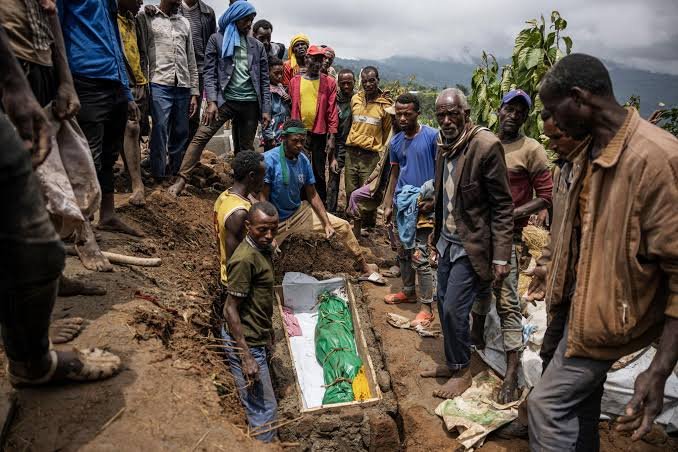
Heavy torrential rainfall triggered a devastating Ethiopia landslide in the northern Amhara region on August 3, 2026. Consequently, the falling debris killed at least 14 worshippers and injured seven others at a historic Orthodox monastery. The disaster struck the Tsadqane Debre Mitmaq St. Mary Monastery in the mountainous North Shewa Zone. Specifically, hundreds of pilgrims had gathered early in the morning for a sacred holy water cleansing ritual. As a result, emergency crews are currently searching the heavy rubble for additional missing survivors. (To read more about regional weather hazards, check our internal Disaster Emergency Protocol Guide report).
Heavy Rains Trigger Devastating Ethiopia Landslide at Amhara Monastery
The fatal rockslide struck the monastery grounds at approximately 7:00 a.m. local time. Furthermore, intense overnight downpours saturated the steep mountainside above the gathering site. Soil and massive boulders suddenly broke loose from the cliff face. Subsequently, the avalanche of earth crushed pilgrims standing near the rock-hewn prayer chamber.
Monastery Disaster Sequence (How the tragic morning unfolded) ↓ Overnight Downpours (Heavy rain and thunderstorms saturate the steep mountainside) ↓ 7:00 AM Gathering (Pilgrims assemble near the cliff face for holy water rituals) ↓ Slope Collapse (Massive falling boulders bury worshippers under mud and rock)
Emergency teams immediately rushed injured victims to medical centers in Debre Birhan, located 70 kilometers away. Meanwhile, church officials organized immediate burials for the deceased on the sacred grounds.
“The disaster occurred at approximately 7 a.m., and many of those who died had gathered to receive the holy water.” — Megabe Hadis Neka Tibeb Ababu, North Shewa Diocese General Manager, quoted byThe Associated Press
Climate Risks and Search Efforts Following the Ethiopia Landslide
In addition, local authorities deployed specialized disaster management experts to support ongoing rescue efforts. Heavy machinery continues clearing large rocks from the terraced slope. However, difficult terrain presents continuous challenges for rescue personnel.
Notably, this tragedy highlights Ethiopia’s increasing vulnerability during its annual Kiremt rainy season. Heavy precipitation regularly triggers fatal mudslides across the nation’s steep highlands. For instance, a similar rain-induced mudslide killed over 250 people in southern Ethiopia in July 2024. Therefore, meteorologists urge extreme caution as heavy rainfall forecasts persist across eastern Amhara.
| Incident Indicator | Disaster Details |
|---|---|
| Primary Event | A massive slope failure buried worshippers at Tsadqane Debre Mitmaq Monastery. |
| Confirmed Casualties | 14 people died and at least seven suffered serious injuries. |
| Primary Cause | Heavy overnight rain loosened soil and massive boulders above the site. |
| Emergency Response | Rescue teams deployed heavy machinery to locate missing pilgrims. |
Sources
- The Hindu – Ethiopia landslide kills 14 at monastery ritual, search continues for missing
- Eos.org – A fatal landslide at the Debre Metmik Tsadkane Mariam Monastery
- Watchers News – Major landslide kills 14 at Tsadkane Mariam Monastery in Ethiopia
- Africa.com – Tragedy at the Monastery: Landslide Claims 14 Lives in Ethiopia
- Newsday / AP – Ethiopia landslide kills 14 at monastery ritual, search continues for missing