Strait of Hormuz Oil Crisis Pushes Brent Crude Past $95

Md.Moshail Ahmed
September 3, 2026
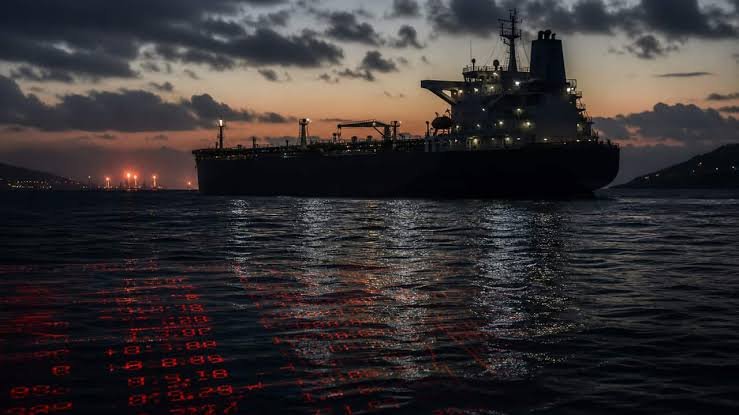
On Thursday, September 3, 2026, international energy markets surged as the worsening Strait of Hormuz oil crisis drove Brent crude futures above $95 per barrel. Specifically, market reporting by Reuters confirms that global oil prices have jumped over 30% since military hostilities erupted in early 2026, reaching their highest levels since late July. As a result, commercial shipping traffic through the Persian Gulf chokepoint has collapsed to a trickle, with only four to five commodity vessels transiting the narrow waterway daily. Readers can also monitor real-time market shifts on our global energy hub.
Strait of Hormuz Oil Crisis Drives Brent Crude to $95
In fact, the latest price spike follows renewed U.S. military strikes against Iranian coastal radar and mine-laying assets, which triggered retaliatory missile barrages against U.S. positions in Bahrain, Kuwait, and Jordan. Consequently, West Texas Intermediate (WTI) crude climbed above $91 per barrel as traders priced in a prolonged disruption to Middle Eastern crude supplies. Furthermore, reporting in Arab News highlights that Iranian authorities added additional commercial vessels to a non-compliance detention list, severely deterring maritime transit. Meanwhile, logistics coordinators are redirecting shipments where possible, as detailed in our maritime supply chain guide.
Energy Market & Shipping Disruption Sequence
(Operational breakdown of the Persian Gulf supply shock)
↓
U.S. CENTCOM Coastal Bombardment
(American forces target IRGC air defenses, radar, and mine-laying craft along Hormuz)
↓
IRGC Retaliation & Maritime Enforcement
(Tehran fires missiles at Gulf host nations and expands ship confiscation lists)
↓
Vessel Transit Collapse
(Daily tanker traffic drops from 13+ to 4–5 vessels, stranding crude cargoes)
↓
Global Energy Price Escalation
(Brent crude settlement clears $95/barrel, raising global inflation and supply fears)
In addition, global energy analysts warn that prolonged transit restrictions through the strait—which normally carries nearly 20% of world petroleum supplies—could push crude toward $100 per barrel.
“The Strait of Hormuz remains central to the global supply outlook. At just five daily vessel crossings, the waterway is functioning as a chokepoint rather than a corridor.”
— Energy Market Analysis, statement reported via Business Today
Tanker Traffic Collapses as Regional Risk Premiums Soar
Indeed, shipping insurance rates have skyrocketed as commercial vessel operators refuse to enter the Persian Gulf without explicit security guarantees. For instance, data from Nation Thailand shows both major oil benchmarks swinging by over $2 per barrel in volatile single-day sessions. Moreover, domestic refiners in major import nations are ramping up utilization to maximum capacity to cushion impending supply deficits. Therefore, international energy monitoring agencies are assessing strategic petroleum reserve releases to stabilize volatile global markets. Ultimately, energy security concerns will dominate global economic policy as long as the strategic waterway remains imperiled.
| Energy Parameter / Metric | Market Data & Operational Status |
| Focus Keyword | Strait of Hormuz Oil Crisis. |
| Brent Crude Price | ~$95.04 – $95.63 per barrel (>30% gain since war start). |
| WTI Crude Price | ~$91.01 per barrel. |
| Daily Tanker Transit | Reduced to 4–5 vessels per day (down from 13+ baseline). |
| Primary Global Risk | Disruption to 17M barrels/day of seaborne crude trade. |
| Commercial Shipping Status | Surging insurance premiums and Iranian detention warnings. |
Sources
- Reuters / The Daily Star – Oil edges down as investors weigh uncertainty over U.S.-Iran strikes
- Arab News – Oil edges down as investors weigh uncertainty over US-Iran strikes
- Business Today – Oil hits 5-week high as fresh US-Iran tensions reignite Strait of Hormuz supply fears
- Nation Thailand – Oil extends rally with Brent above US$95 on Hormuz fears



More