Strait of Hormuz Oil Prices Approach $90 as Shipping Crisis Endangers Energy Supplies

Md.Moshail Ahmed
August 11, 2026
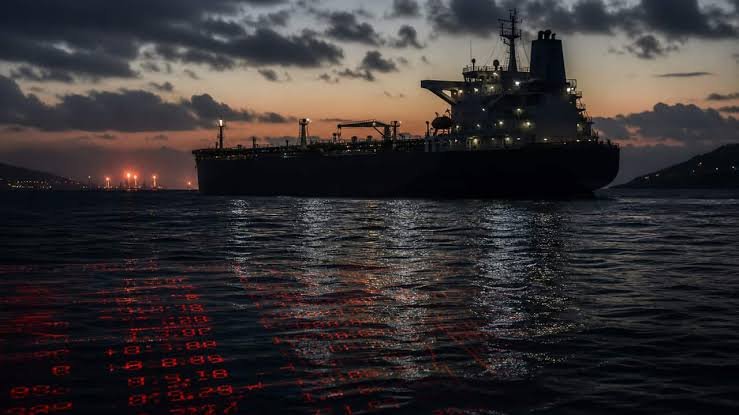
Surging Strait of Hormuz oil prices pushed international benchmarks toward $90 a barrel as persistent maritime tensions and fragile diplomatic talks between Washington and Tehran raised severe supply disruption fears. Brent crude futures rose above $88.50 per barrel, while West Texas Intermediate (WTI) climbed toward $85, driven by market anxiety over the critical chokepoint through which approximately 20% of the world’s petroleum supply passes. Energy traders warn that any breakdown in ongoing negotiations could trigger immediate supply restrictions across global markets. (For real-time energy tracking and maritime updates, explore our internalGlobal Energy Markets & Maritime Risk Monitor(report).
Escalating Tensions Disrupt Vital Maritime Shipping Corridor
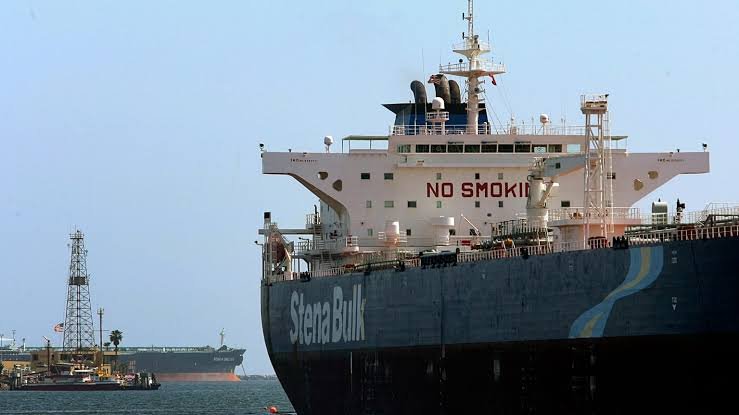
The sharp increase in Strait of Hormuz oil prices comes as commercial shipping operators implement risk surcharges and reroute tankers amidst heightened naval activity and drone threats in the Gulf region. Although diplomatic representatives from the US and Iran have held preliminary discussions via regional mediators in Oman, market participants remain skeptical about a swift resolution.
Strait of Hormuz Escalation & Market Transmission Sequence
(Progression of maritime risk impacting global crude oil pricing)
↓
Heightened Naval & Security Risks
(Naval alerts and drone activity increase risk premiums for commercial tankers)
↓
Insurance & Transit Cost Spikes
(Maritime insurers raise war-risk premiums, forcing shipping delays)
↓
Diplomatic Uncertainty Between US and Tehran
(Fragile negotiations leave traders hedging against sudden supply bottlenecks)
↓
Global Energy Price Rally
(Brent crude approaches $90/barrel as inventory buffers tighten worldwide)
Because roughly 20 million barrels of crude and refined products flow through the narrow waterway daily, prolonged friction threatens to exacerbate refined fuel shortages in European and Asian markets.
“The market is pricing in a substantial geopolitical risk premium. As long as the Strait of Hormuz remains a flashpoint with uncertain diplomatic outcomes, crude prices will maintain upward pressure toward the $90 barrier.”
—Senior Energy Analyst, Global Commodities Research Group
Macroeconomic Impact and Global Supply Pressures
Meanwhile, central banks and economic policymakers are watching energy markets closely as elevated crude prices threaten to reignite inflation metrics. Energy-importing nations across Europe and Asia face rising import bills, which could force industrial power curtailments and inflate transport fuel costs.
Furthermore, OPEC+ coalition members have maintained their current production quotas, leaving limited spare capacity to offset potential physical disruptions in the Gulf. Analysts emphasize that if negotiations stall completely, energy benchmark prices could easily breach $95 in the coming weeks.
| Market Indicator / Parameter | Operational Status & Economic Impact |
|---|---|
| Brent Crude Benchmark | Approaching $90/barrel amid mounting regional risk. |
| WTI Crude Benchmark | Surging toward $85/barrel as commodity traders hedge risk. |
| Daily Transit Volume | ~20 million barrels per day (~20% of global petroleum consumption). |
| Key Catalysts | Strait of Hormuz security risks and US-Iran diplomatic deadlock. |
Sources



More