Danube River Drops to Record Lows, Exposing WW2 Nazi Shipwrecks in Serbia

Aderson Aiden
August 12, 2026
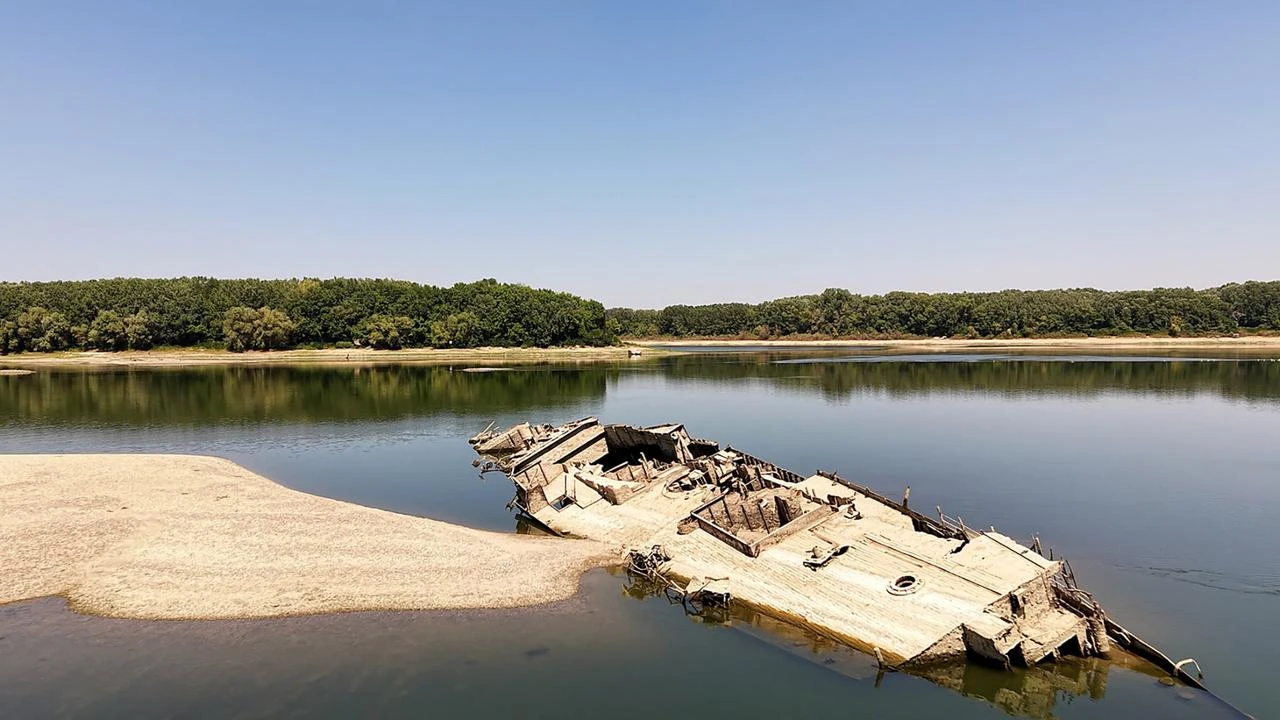
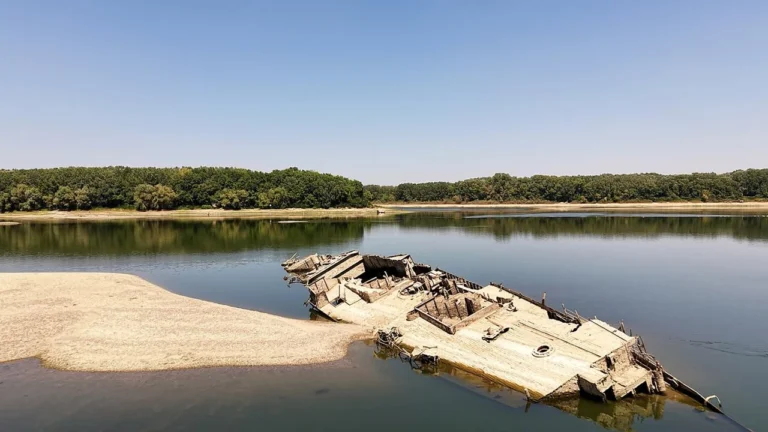
A severe drought and prolonged heatwave across Southern and Eastern Europe have reduced the Danube River to its lowest levels in decades, exposing dozens of explosive-laden Nazi German shipwrecks near Prahovo, Serbia. In the autumn of 1944, as the Soviet Red Army advanced, the Nazi Black Sea Fleet deliberately scuttled hundreds of its own warships in the Danube to block Allied river operations and prevent capture. Decades later, these submerged hulls continue to resurface during intense dry spells, posing environmental, navigational, and safety hazards along one of Europe’s primary commercial waterways. (To track broader climate impacts and regional environmental updates, explore our internal European Climate & Water Level Monitor updates).
Sunken Fleet Creates Navigational Hazards Near Prahovo
The exposed fleet near Prahovo consists of over 20 warships belonging to Nazi Germany’s Kriegsmarine. Many of these vessel hulls remain filled with metric tons of unexploded ammunition, explosive sea mines, and live ordnance, creating significant risks for commercial barge traffic navigating the narrow border section between Serbia and Romania.
Historical Context & Resurfacing Mechanism
(Progression from 1944 scuttling to modern climate-induced exposures)
↓
1944 Scuttling Command
(Nazi commanders deliberately sink over 200 warships to block the Danube during retreat)
↓
Decades of Submerged Obstruction
(Submerged hulls alter water currents and restrict the commercial shipping channel near Prahovo)
↓
Extreme Heat & Water Depletion
(Modern European droughts lower Danube water levels, exposing hull superstructures)
↓
Navigational & Unexploded Ordnance Risk
(Exposed ammunition and narrow passage force authorities to dredge around toxic hulls)
Consequently, Serbian authorities regularly deploy dredging ships to clear alternative pathways, as the sunken fleet reduces the navigable width of the Danube at Prahovo from 180 meters to just 100 meters during extreme low-water periods.
“The sunken fleet has left behind an environmental and navigational catastrophe that threatens shipping safety on the Danube every time water levels drop.”
— Local Environmental & River Authorities, river navigation hazard assessment
Cleanup Challenges and Munitions Risks
Efforts to safely remove and dismantle the sunken vessels have proven complex and costly. Because the shipwrecks contain active explosives and live artillery shells, salvage operations require specialized explosive ordnance disposal (EOD) teams and delicate underwater operations.
Furthermore, both the Serbian government and European Union development agencies have allocated funding to survey, disarm, and clear the hulls. Restoring full navigation depth remains a top priority to protect regional trade corridors connecting Central Europe to the Black Sea.
| Vessel Fleet Parameter | Details & Hazard Breakdown |
| Historical Period | World War II (Autumn 1944 retreat of Nazi Kriegsmarine). |
| Location | River Danube near Prahovo, eastern Serbia (bordering Romania). |
| Primary Hazard | Metric tons of live unexploded ammunition, bombs, and sea mines. |
| Commercial Impact | Narrows Danube navigable channel, forcing traffic restrictions for cargo barges. |
Sources
- Reuters World – Drought exposes sunken WW2 Nazi warships in Danube River
- BBC News Europe – Danube drought reveals explosive Nazi fleet in Serbia
- Al Jazeera English – Record Danube low water levels expose World War II German shipwrecks