Iran Strikes Kuwait and Bahrain, Then Calls for a New Gulf Security Order Without Washington

Jubayer Alam
June 28, 2026
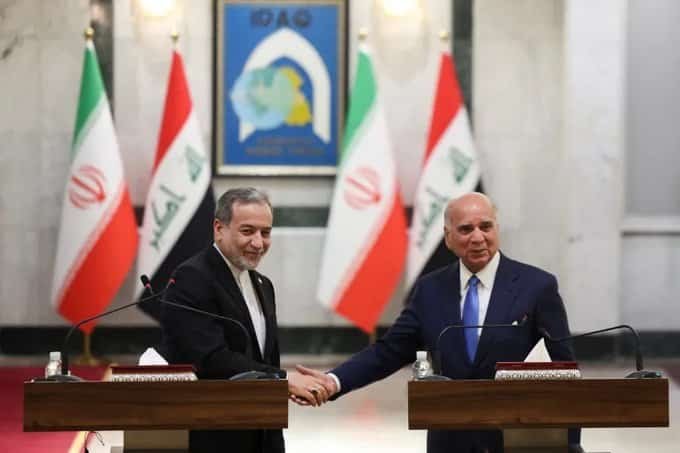
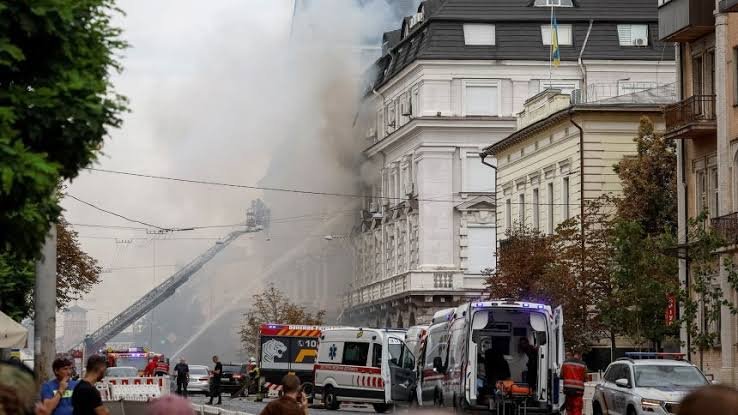
In one of the most striking diplomatic contradictions of the Gulf crisis, Iranian Foreign Minister Abbas Araghchi proposed a Gulf security framework this week. Interestingly, he did so even as the smoke from Tehran’s own missile strikes on Kuwait and Bahrain had barely cleared. Consequently, the juxtaposition was jarring. A foreign minister was extending an olive branch to neighbors his country had just attacked.
Yet, Araghchi’s call was unambiguous. “We should reach a new framework that includes all countries in the region, without the presence or interference of any country from outside the region,” he said. Specifically, the statement was aimed squarely at removing the United States from any Gulf security framework his neighbors might accept. As a result, analysts, Gulf officials, and Western diplomats were left scrambling. Was this a genuine opening? A calculated propaganda move? Or evidence of deep contradictions in Iranian foreign policy as the standoff with Washington intensifies?
How the Region Got Here
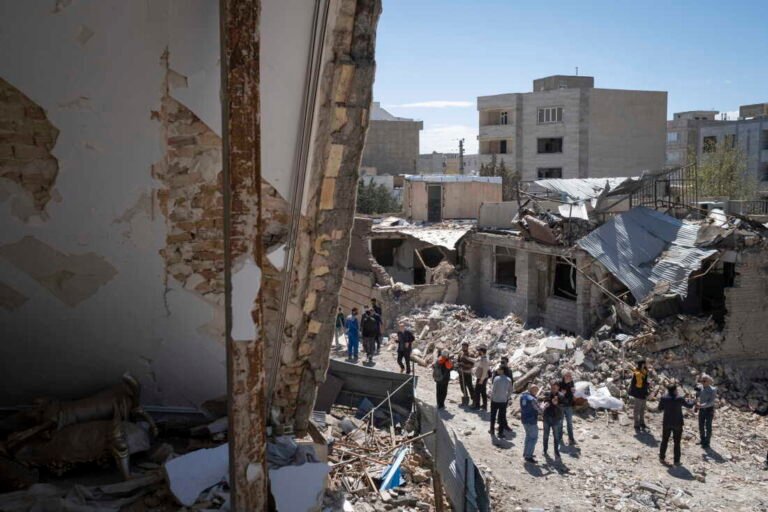
The strikes on Kuwait and Bahrain did not come from nowhere. Instead, they were Tehran’s declared response to American military action against Iranian soil. Furthermore, the escalation has gripped the Persian Gulf in recent weeks. In fact, it has brought the region closer to full-scale confrontation than at any point in a generation.
Iran targeted two Gulf Cooperation Council states that host significant American military infrastructure. Therefore, the logic from Tehran’s perspective was clear: signal that U.S. allies are not beyond Iran’s reach, and raise the cost of American engagement in the region. As a consequence, the strikes caused casualties and material damage. Both governments summoned Iranian chargés d’affaires in protest.
Nevertheless, within days, Araghchi was on a podium proposing talks. Undoubtedly, the speed of the pivot was unusual even by the standards of Iranian diplomacy. After all, Tehran has long operated on the principle that pressure and dialogue are not mutually exclusive.
Iran’s Gulf Security Framework Proposal
What Araghchi outlined was not entirely new. Historically, Iranian officials have floated variants of a Gulf security framework for years. For instance, the most notable example was in 2019, when President Hassan Rouhani proposed a non-aggression pact among regional states. However, the current proposal comes in a far more volatile environment. Additionally, it carries a more explicit exclusion clause: no outside powers. That phrase is the heart of the matter.
The Gulf Cooperation Council states — Saudi Arabia, the UAE, Kuwait, Qatar, Bahrain, and Oman — host tens of thousands of American troops. Moreover, these nations anchor the U.S. Fifth Fleet at Bahrain’s Naval Support Activity. In addition, the bloc has spent decades integrating its defense postures with Washington’s. For them, the American presence is not an imposition to be negotiated away. Rather, it is the foundational guarantee of their security against the very threat Iran represents.
Araghchi framed the proposal as regional solidarity and sovereignty. Essentially, the idea is a collective non-aggression arrangement with confidence-building measures. Meanwhile, de-escalation mechanisms would be managed by regional states alone. To illustrate, Iran has pointed to the GCC and the Arab League as potential partners. Likewise, it has suggested a broader “West Asian security dialogue” including Iraq, Turkey, and Yemen.
The Gulf States’ Dilemma
The proposal puts Gulf leaders in an uncomfortable position. First, outright rejection risks looking like a preference for permanent conflict. Furthermore, it hands Iran a ready-made narrative about American dependency. On the other hand, engagement risks alarming Washington. Additionally, it could legitimize Iranian military behavior by treating the diplomatic initiative as separate from the strikes.
Kuwait and Bahrain are in a particularly acute bind. Both have ties with Tehran they have no desire to permanently sever. At the same time, these two nations depend on American security guarantees they cannot afford to undermine. As a result, their public statements have been measured. They condemned the strikes firmly but stopped short of language that would close off all future dialogue.
Regional Reactions and Diplomatic Silence
Saudi Arabia has said little publicly about Araghchi’s proposal. Consequently, Iranian officials have chosen to interpret that silence optimistically. Since 2023, Riyadh has been pursuing its own détente with Tehran following the normalization agreement brokered by China. Therefore, an Iranian proposal for dialogue — even one accompanied by missiles — is not something Riyadh can dismiss without cost.
Meanwhile, Qatar is being watched closely. It maintains a more independent foreign policy and has historically served as a back-channel between Tehran and Washington. Currently, Doha has called for de-escalation but has not signaled whether it sees the proposal as a workable basis for talks.
Washington’s Response
The United States has firmly rejected the Iranian proposal. Specifically, senior officials described it as an attempt to divide the region from its allies. Furthermore, they called it an effort to legitimize Iranian aggression through diplomatic theater. Accordingly, American officials have privately expressed frustration with Gulf states tempted to engage with Iran’s overture. If any dialogue is premised on reducing the U.S. presence, Washington has warned it would be seen as a breach of alliance commitments.
Washington’s position is clear. Fundamentally, the path to de-escalation runs through Iran changing its behavior. That means halting its nuclear program’s expansion, ceasing support for regional proxies, and accepting accountability for the strikes. It certainly does not mean renegotiating American security partnerships. Unsurprisingly, that position has firm supporters in Bahrain, the most hawkish GCC state on Iran and home to the Fifth Fleet. However, critics exist too. Voices in Oman and Qatar argue that confrontation alone has not produced stability. Ultimately, they believe some form of regional dialogue is unavoidable.
Iran’s Internal Contradictions
The deeper question is what Araghchi’s proposal reveals about Iran’s strategic situation. Currently, the country is simultaneously projecting military force and seeking diplomatic engagement. Undoubtedly, that reflects genuine internal tensions. On one side, hardliners see escalation as leverage. Conversely, pragmatists understand that the costs of permanent confrontation are becoming unsustainable.
For example, Iran’s economy has been under severe strain from sanctions and domestic mismanagement. Similarly, its regional allies are also under pressure. The Houthi movement in Yemen, Hezbollah in Lebanon, and various Iraqi militias are all facing military and financial strain. Indeed, the strikes on Kuwait and Bahrain demonstrated capability. Yet, they also narrowed the diplomatic space Iran needs to avoid isolation.
Araghchi is one of the pragmatists. He has spent years in multilateral diplomacy. Therefore, he understands that Iran cannot bomb its way to regional security. In essence, the Gulf security framework he is proposing is an attempt to construct a diplomatic alternative. It serves Iranian interests by reducing American influence without abandoning Iran’s revolutionary posture entirely. However, the sincerity of the offer remains completely unclear. Also uncertain is its ability to survive hardliner backlash. Finally, it remains to be seen if the plan offers Gulf states anything concrete enough to engage with.
What Comes Next
The immediate challenge is preventing further escalation. Currently, American and Iranian military assets are operating in close proximity across the Gulf. Thus, the risk of miscalculation is high. Fortunately, several quiet diplomatic channels are reportedly active. Oman and Iraq are serving in their traditional roles as intermediaries.
Beyond the immediate crisis, a larger question has been put on the table. What does the Gulf’s security architecture look like when American global commitments are being reassessed? Moreover, what happens as regional powers increasingly seek to manage their own affairs?
Iran’s answer is a Gulf without Washington. Obviously, most of its neighbors are not prepared to accept that. Nevertheless, the deeper instinct resonates more broadly than Iranian officials might expect. Ultimately, the region’s future cannot be held hostage indefinitely to an unresolved U.S.–Iran confrontation. For now, Gulf leaders are likely to listen carefully and say little publicly. Above all, they are watching closely to see whether Iran’s missiles or its diplomats speak louder.



More