An Unprecedented World Cup Reality: The US Bombed A Country That Is Playing in the World Cup 2026

Jubayer Alam
June 28, 2026
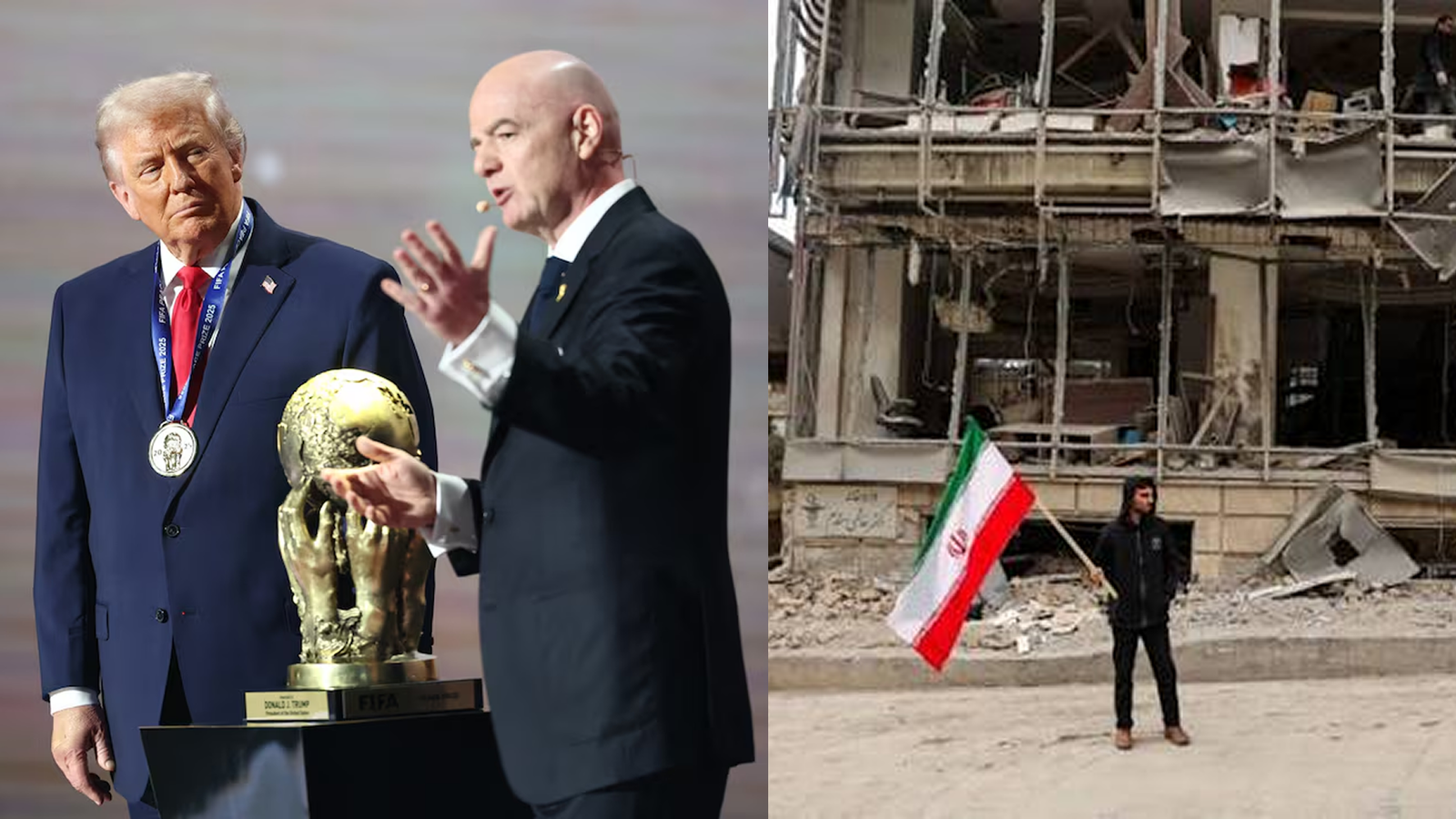
The intersection of global politics and international sports has reached an unprecedented level at the FIFA World Cup 2026. Specifically, the United States has officially become the first country in history to host a participating national team while simultaneously launching military strikes against that exact nation. This shocking development centers around the Iranian national football team, who are currently competing on American soil.
Consequently, this extraordinary situation has completely shattered the traditional illusion that major sporting events can remain entirely isolated from real-world global conflicts. Fans and analysts alike are watching closely as international warfare directly overshadows the beautiful game.
Military Strikes Amidst the Tournament
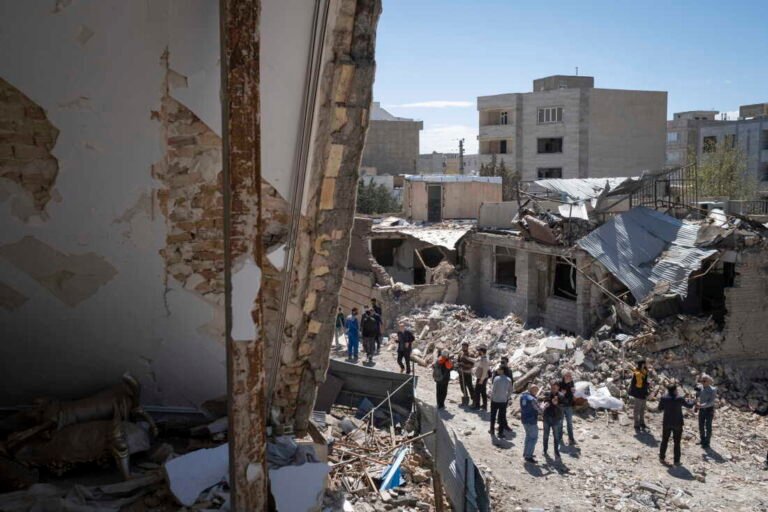
While thousands of supporters gather in massive stadiums across North America, a serious geopolitical crisis has unfolded. According to recent reports, the U.S. military conducted targeted strikes against surveillance infrastructure and drone storage facilities within Iran. Crucially, these military actions occurred on the very same day that the Iranian squad was participating in the tournament.
Furthermore, this active conflict introduces an eerie, tense atmosphere to the US host World Cup bomb Iran dynamic. Never before has a host nation been in a state of active warfare with another participating country during the actual event. As a result, the tournament has become the most politically combustible sporting event in modern history.
The Collapse of the Interim Ceasefire
Just days before the crucial group stage matches, the geopolitical situation deteriorated rapidly. The United States and Iran had previously negotiated a fragile 14-point interim agreement. This temporary deal aimed to halt the ongoing conflict and reopen the critical Strait of Hormuz for international shipping. However, the peace process suddenly collapsed over the opening World Cup weekend.
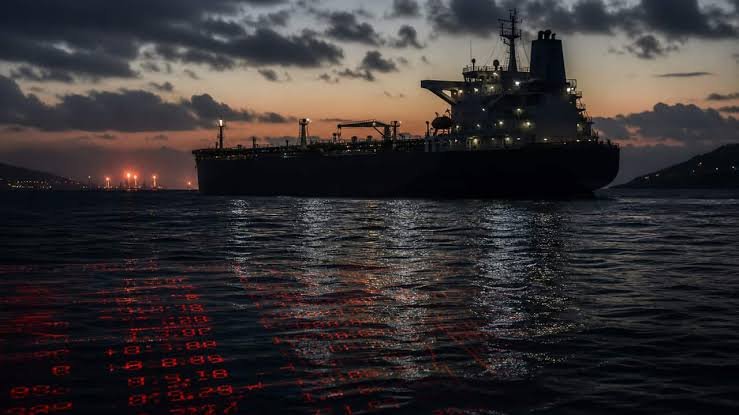
Following an alleged drone attack on a commercial tanker, the U.S. military retaliated swiftly. Central Command authorized heavy strikes on Iranian military sites. Consequently, these military actions coincided directly with Iran’s scheduled fixtures on the West Coast. This timing created a bizarre and terrifying backdrop for the athletes competing on the pitch.
The Massive Impact on Team Melli
For the Iranian players, navigating this prestigious tournament has transformed into a monumental psychological challenge. The squad initially arrived in the United States facing significant logistical hurdles, travel restrictions, and heavy political scrutiny. Now, they must attempt to focus on elite athletic performance while their homeland faces active military bombardment.
| Group Stage Opponents | Match Location | Current Tournament Status |
| New Zealand | Los Angeles | Completed |
| Egypt | Seattle Stadium | Completed |
| Belgium | To Be Determined | Scheduled Fixture |
Despite these overwhelming external pressures, the team continues to compete in their scheduled fixtures. However, their ongoing presence requires unprecedented, high-level security operations. Local law enforcement and federal agencies must work overtime to ensure the absolute safety of the players, coaching staff, and traveling supporters.
Ticket Cancellations and Fan Suppression
Beyond the military strikes, serious controversies have emerged regarding fan attendance. The Iranian Football Federation recently accused the United States of actively sabotaging their supporters. Under standard FIFA regulations, every participating nation receives an eight percent ticket quota for their group stage matches. Nevertheless, Iranian officials claim the host nation completely revoked this allocation.
This sudden cancellation makes it nearly impossible for Iranian fans to purchase tickets through official channels. Team officials strongly condemned this action, calling it a direct violation of international sporting equality. Therefore, the Iranian squad must play their crucial matches in stadiums largely devoid of their own national supporters, adding another intense layer of psychological strain.
FIFA and the Ultimate Political Dilemma
This severe geopolitical crisis presents a massive foundational problem for tournament organizers. Prior to the tournament, Iranian officials pleaded with FIFA to relocate their scheduled matches to neighboring Mexico or Canada, citing obvious safety concerns. Surprisingly, FIFA firmly rejected these requests, mandating that the games proceed in American cities as originally planned.
FIFA leadership has repeatedly promoted the optimistic narrative that football unites the world. Moreover, the governing body strictly prohibits political messaging inside the stadiums. Yet, the stark reality of the current World Cup tournament directly contradicts this forced apolitical stance. You simply cannot ignore the optics of a host nation bombing a guest nation. Therefore, human rights advocates and political commentators are heavily criticizing FIFA for attempting to maintain a strictly neutral facade while actual bombs are dropping.
Echoes of 1998: The Volatile History of US-Iran Football Clashes
The relationship between these two nations has always created high-stakes environments whenever they meet on the global sports stage. The current situation completely rewrites how sports and international crises collide.
| Year | Tournament Stage | Political Backdrop |
| 1998 | France Group Stage | Post-Cold War Tensions |
| 2022 | Qatar Group Stage | Civil Unrest & Sanctions |
| 2026 | North America Group Stage | Active Military Strikes |
While past fixtures in 1998 and 2022 were played under heavy diplomatic strain, they never crossed into active military conflicts. In those previous instances, football acted as a brief diplomatic bridge to ease regional standoffs. However, the decision to authorize targeted air strikes while a squad is actively inside the host nation creates a completely unprecedented scenario for international sports.
Looking Ahead: Security and Knockout Scenarios
As the tournament steadily progresses, the logistical and security challenges will only intensify for the host cities. If Iran manages to successfully advance past the grueling group stage, the global media spotlight on their matches will grow exponentially. Interestingly, there remains a mathematical possibility that the United States and Iran could actually face each other on the pitch during the knockout rounds.
Therefore, tournament officials remain on exceptionally high alert. They must continuously adapt their security protocols to manage potential protests, fan clashes, and the broader implications of this ongoing military conflict. Ultimately, history will remember this tournament not just for the goals scored, but for this unprecedented collision of sports and international warfare.
The Base Camp Exile: Why Team Melli is Living in Mexico
The hostile political climate created an extraordinary logistical challenge for Iran before the tournament even kicked off. Because the United States government imposed incredibly severe travel restrictions, Team Melli was denied the right to set up a standard base camp on American soil. Instead, the squad was forced to establish their headquarters across the border in Tijuana, Mexico.
| Administrative Rule | Operational Impact |
| Border Restrictions | Base camp forced into Mexico |
| Strict Entry Window | Allowed into US only days before a fixture |
| Immediate Deportation | Must exit US the night a match ends |
Under strict Department of Homeland Security protocols, the Iranian team is only permitted to fly into U.S. host cities a day or two before an official match. Furthermore, they are legally required to leave the country the exact night the fixture concludes. This exhausting back-and-forth travel schedule prompted head coach Amir Ghalenoei to publicly call his squad “the most oppressed” team at the tournament, highlighting how political maneuvering has compromised their physical preparation.
Group G Drama: Despair in Seattle Amidst Air Sirens
The psychological trauma of the military strikes peaked during Iran’s highly emotional Group G finale against Egypt at Seattle Stadium. While the U.S. military targeted coastal radar sites and drone storage facilities back in Iran, the players fought a desperate battle on the pitch. Egypt took an early lead, but veteran defender Ramin Rezaeian managed to equalize with a spectacular strike from a tight angle.
The match concluded in absolute heartbreak and chaos. In the 93rd minute, Shoja Khalilzadeh fired home what appeared to be a historic, tournament-saving winning goal, sending the entire Iranian bench sprinting onto the pitch in wild celebration. However, a dramatic VAR review ruled the goal out for a marginal offside. The match ended in a 1-1 draw, leaving a visibly dejected squad waiting anxiously to see if their three points will be enough to sneak into the round of 32 as a best third-placed team.
Echoes of 1998: The Volatile History of US-Iran Football Clashes
The relationship between these two nations has always created high-stakes environments whenever they meet on the global sports stage. For a deeper breakdown of sports-diplomacy collisions, read our analysis on geopolitical pressures on the pitch.
| Year | Tournament Stage | Political Backdrop |
|---|---|---|
| 1998 | France Group Stage | Post-Cold War Tensions |
| 2022 | Qatar Group Stage | Civil Unrest & Sanctions |
| 2026 | North America Group Stage | Active Military Strikes |
While past fixtures in 1998 and 2022 were played under heavy diplomatic strain, they never crossed into active military conflicts. In those previous instances, football acted as a brief diplomatic bridge to ease regional standoffs. However, the decision to authorize targeted air strikes while a squad is actively inside the host nation creates a completely unprecedented scenario for international sports.
Looking Ahead: Security and Knockout Scenarios
As the tournament steadily progresses, the logistical and security challenges will only intensify for the host cities. For real-time progression analysis, keep an eye on our live Group G fixtures and results page. If Iran manages to successfully advance past the grueling group stage, the global media spotlight on their matches will grow exponentially. Interestingly, there remains a mathematical possibility that the United States and Iran could actually face each other on the pitch during the knockout rounds.
Therefore, tournament officials remain on exceptionally high alert. They must continuously adapt their security protocols to manage potential protests, fan clashes, and the broader implications of this ongoing military conflict. Ultimately, history will remember this tournament not just for the goals scored but for this unprecedented collision of sports and international warfare.
The Truth Social Ultimatum: Trump’s Direct Warning to Tehran
The geopolitical tension surrounding the tournament is being actively driven from the highest level of American leadership. Following the targeted strikes on five Iranian coastal sites, President Donald Trump took to Truth Social to issue a fierce public warning. He claimed that the U.S. military acted strictly because Iran had repeatedly violated a fragile ceasefire agreement in the Middle East.
Trump warned that the United States was reaching a point where it would be “forced to militarily complete the job,” adding the ominous threat that “the Islamic Republic of Iran will no longer exist” if hostilities continue. For international sports diplomats, this aggressive rhetoric from the host nation’s Commander-in-Chief has turned the 2026 World Cup into a terrifying display of military dominance, casting a dark shadow over any remaining matches.


More