Iran Launches Missiles and Drones at U.S. Forces in Response to American Strikes

Jubayer Alam
June 28, 2026
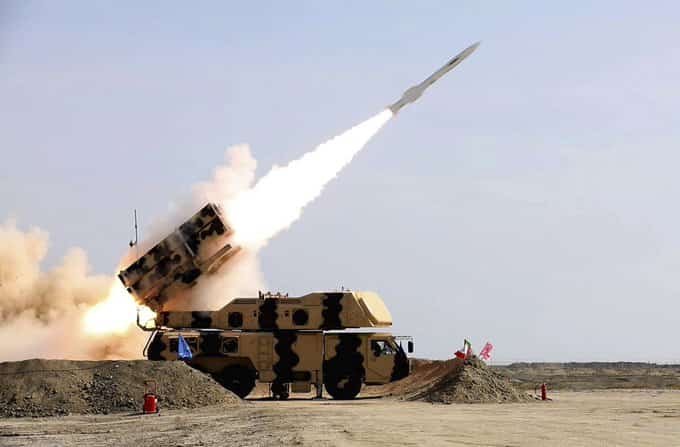
Iran’s Islamic Revolutionary Guard Corps announced Saturday that it launched an Iran missile and drone attack targeting U.S. forces directly. The operation marks a significant escalation in the rapidly deteriorating confrontation between Tehran and Washington. The IRGC confirmed the strike in a brief statement, framing it as a direct response to American military action on Iranian territory. Iranian officials provided no further details on the scale, targets, or outcome.
Tehran’s Declared Retaliation
This operation represents Iran’s most direct military action against American forces since the current escalation began. Earlier this week, Iranian forces struck Kuwait and Bahrain — two U.S.-allied Gulf states hosting American military infrastructure. However, Saturday’s operation marks a sharp shift. Tehran is now hitting U.S. forces directly, not through the intermediary of allied territory. The IRGC kept its statement brief. Officials named no specific U.S. installations, disclosed no details about the weapons mix, and did not clarify whether the operation had concluded. In the hours ahead, U.S. military sources or regional governments will likely fill those gaps.
Iran Missile and Drone Attack Crosses a Dangerous Threshold
By striking American forces directly, Iran has crossed a line both sides had largely avoided until now. As a result, the risk of rapid and overwhelming U.S. retaliation is high. American assets in the region include carrier strike groups, air bases across the Gulf, and thousands of ground troops. These represent both potential targets and formidable retaliatory power. Furthermore, the Iran missile and drone attack mirrors tactics Tehran refined through years of proxy warfare and its April 2024 strike on Israel. Drone swarms go first to saturate air defenses. Ballistic and cruise missiles then follow to hit hardened targets. Nevertheless, whether Tehran deployed that full playbook on Saturday still needs confirmation.
What We Do Not Yet Know
Several critical details remain unclear at the time of publication. First, the location of the strikes is unconfirmed — Iran may have hit targets inside neighboring countries, at sea, or elsewhere in the region. Second, U.S. Central Command has not yet released a public statement. Third, no verified reports of damage or casualties have emerged. Finally, it is unclear whether Saturday’s strike was a single operation or the opening wave of a sustained campaign.
The Wider Context
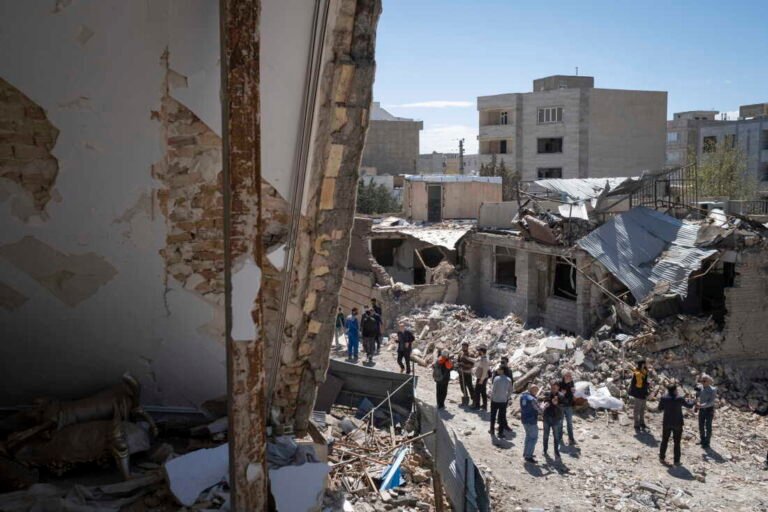
Saturday’s operation did not emerge from a vacuum. In recent days, the United States struck targets on Iranian soil. Iran then responded with strikes on Kuwait and Bahrain. Meanwhile, Iranian Foreign Minister Abbas Araghchi pursued a parallel diplomatic track, calling for a new Gulf security framework that excludes outside powers. That proposal, however, is now overshadowed by the military escalation his own government has dramatically deepened. Consequently, three urgent questions now define the crisis. How will Washington respond? How will Gulf states react as the confrontation they feared most — a direct U.S.–Iran military exchange — unfolds in their neighborhood? And will the quiet diplomatic channels active in recent days survive what happened Saturday?


More