Trump Announces US and Iran Fresh Talks in Qatar Following Intense Weekend Clashes

Jubayer Alam
June 29, 2026
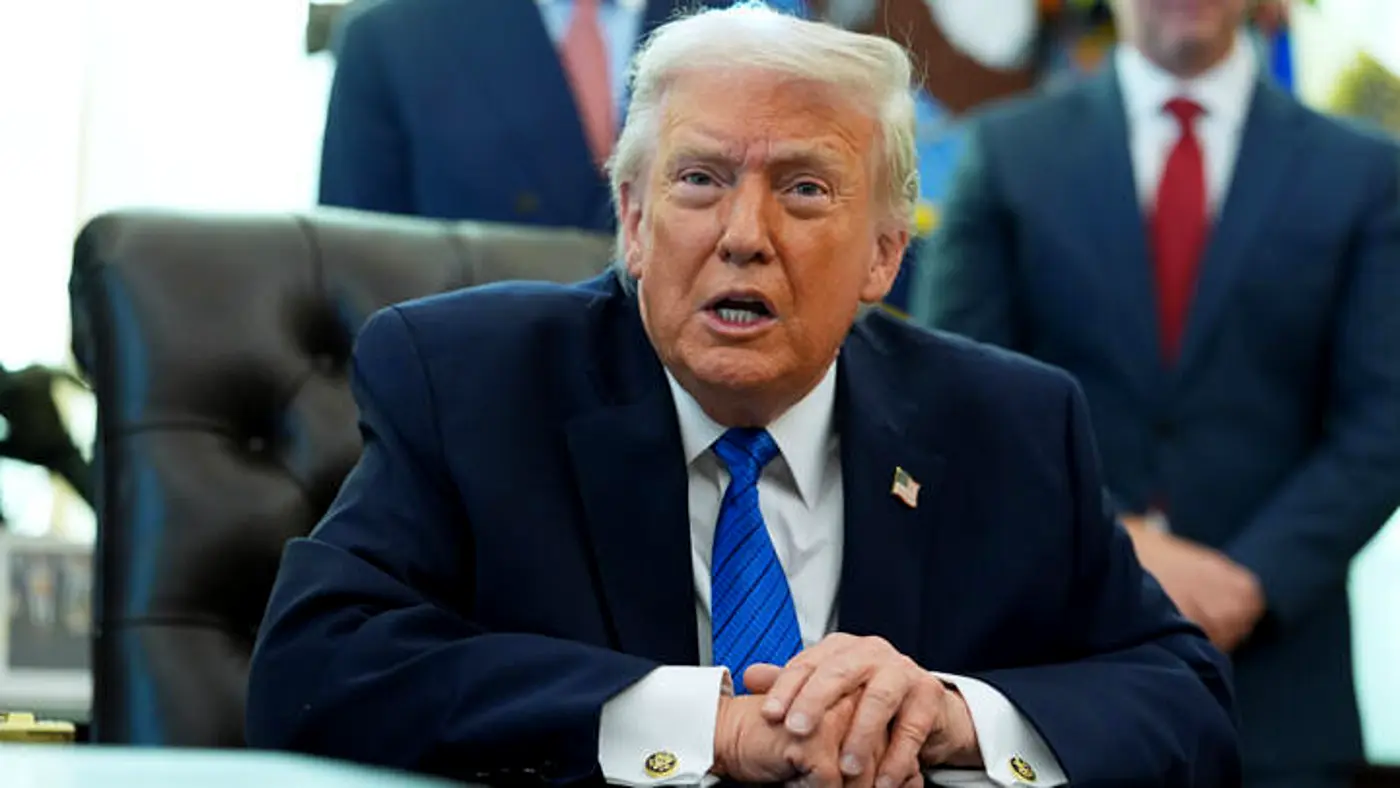
WASHINGTON, D.C. — A fragile Middle East truce is currently facing its most severe test. Specifically, President Donald Trump announced on Truth Social that the US and Iran fresh talks will resume on Tuesday in Doha, Qatar. Consequently, this sudden diplomatic push follows a dangerous weekend of tit-for-tat military strikes that threatened to completely derail a newly signed peace agreement. Although Tehran initially issued conflicting statements regarding the exact scheduling, Washington officials confirmed that both sides have agreed to pause active hostilities ahead of the meeting.
A Sudden Escalation Tests the Islamabad MoU
Only two weeks ago, Washington and Tehran signed the historic Islamabad Memorandum of Understanding (MoU) to end months of bitter conflict. However, severe disagreements over Article 5—which governs shipping rights in the strategic Strait of Hormuz—abruptly shattered the calm over the weekend.
The weekend sequence of military actions unfolded rapidly:
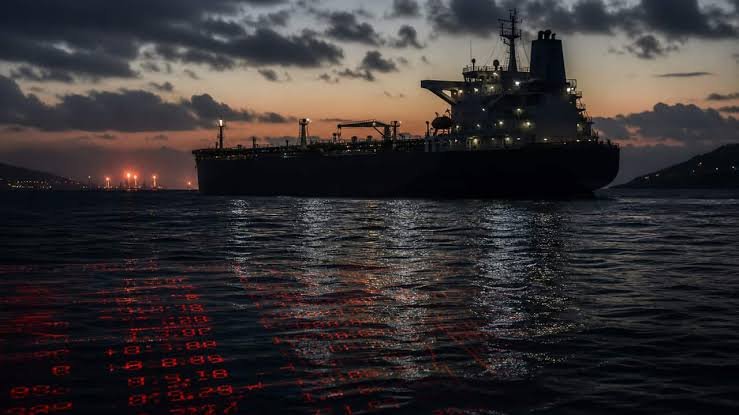
- Maritime Attacks: First, the U.S. accused Iran of attacking a Singapore-flagged cargo ship and a vessel carrying Qatari oil.
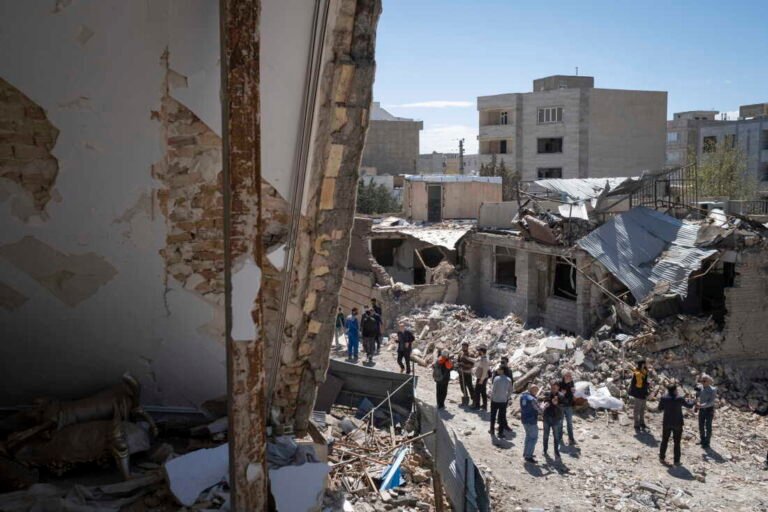
- American Retaliation: Subsequently, U.S. forces launched heavy airstrikes targeting Iranian coastal radar installations, drone infrastructure, and missile facilities.
- Iranian Counterstrikes: In response, the Islamic Revolutionary Guard Corps (IRGC) fired ballistic missiles and drones at the U.S. 5th Fleet base in Bahrain and the Ali Al Salem Air Base in Kuwait.
Consequently, these aggressive maneuvers pushed the newly minted ceasefire to the brink of total collapse.
Sources: U.S. Central Command / Axios / Bloomberg News
Moving the Venue to Doha
Previously, diplomats had scheduled a technical meeting in Switzerland to address Iran’s nuclear program. However, the unexpected weekend clashes forced negotiators to abruptly change both the venue and the primary agenda.
Therefore, technical teams will now convene in Qatar on Tuesday to focus exclusively on resolving the maritime crisis. Under the original terms of the MoU, Iran promised to ensure safe passage for commercial ships, while the U.S. agreed to lift its naval blockade on Iranian ports. Unfortunately, the required direct military “hotline” between U.S. forces and the IRGC remains non-operational, which directly triggered the recent misunderstandings.
President Trump defended the swift military actions before announcing the diplomatic pivot on social media:
“IRAN HAS REQUESTED A MEETING. IT WILL TAKE PLACE TOMORROW IN DOHA!” Trump posted on Monday morning, adding that U.S. forces successfully neutralized the immediate maritime threats over the weekend.
Conflicting Signals From Tehran
Meanwhile, mixed signals are emerging from the political leadership in Tehran. On one hand, Iranian President Masoud Pezeshkian publicly noted that $6 billion in frozen Iranian assets would soon be released by Qatar as part of the broader deal. On the other hand, Deputy Foreign Minister Kazem Gharibabadi downplayed the immediate timeline, stating that technical working groups had not formally finalized schedules for the week.
Despite these internal contradictions, international oil markets reacted immediately to the cooling tensions, showing cautious optimization.
| Commodity Market | Price Movement | Impact of the De-escalation |
| Brent Crude Futures | Climbed 0.69% to $72.49 a barrel | Prices stabilized slightly as both nations agreed to suspend kinetic activity. |
| WTI Crude | Rose 1.05% to $69.96 a barrel | Shippers cautiously anticipate a return to free naval movement through Hormuz. |
Sources: Reuters Market Data / IRNA State News Agency
Conclusion: A Tenuous Window for Peace
In summary, the upcoming US and Iran fresh talks represent a critical window to stabilize a highly volatile region. While senior U.S. officials confirm that all kinetic operations have officially paused for now, the structural distrust between Washington and Tehran remains deep. Ultimately, if negotiators fail to clearly define the rules of navigation through the Strait of Hormuz on Tuesday, the Middle East risks sliding right back into open warfare.


More