King of the North’s Vision: Andy Burnham Circuit Breaker Leader Plan Aims to Fully Rewire the UK Economy

Jubayer Alam
June 29, 2026
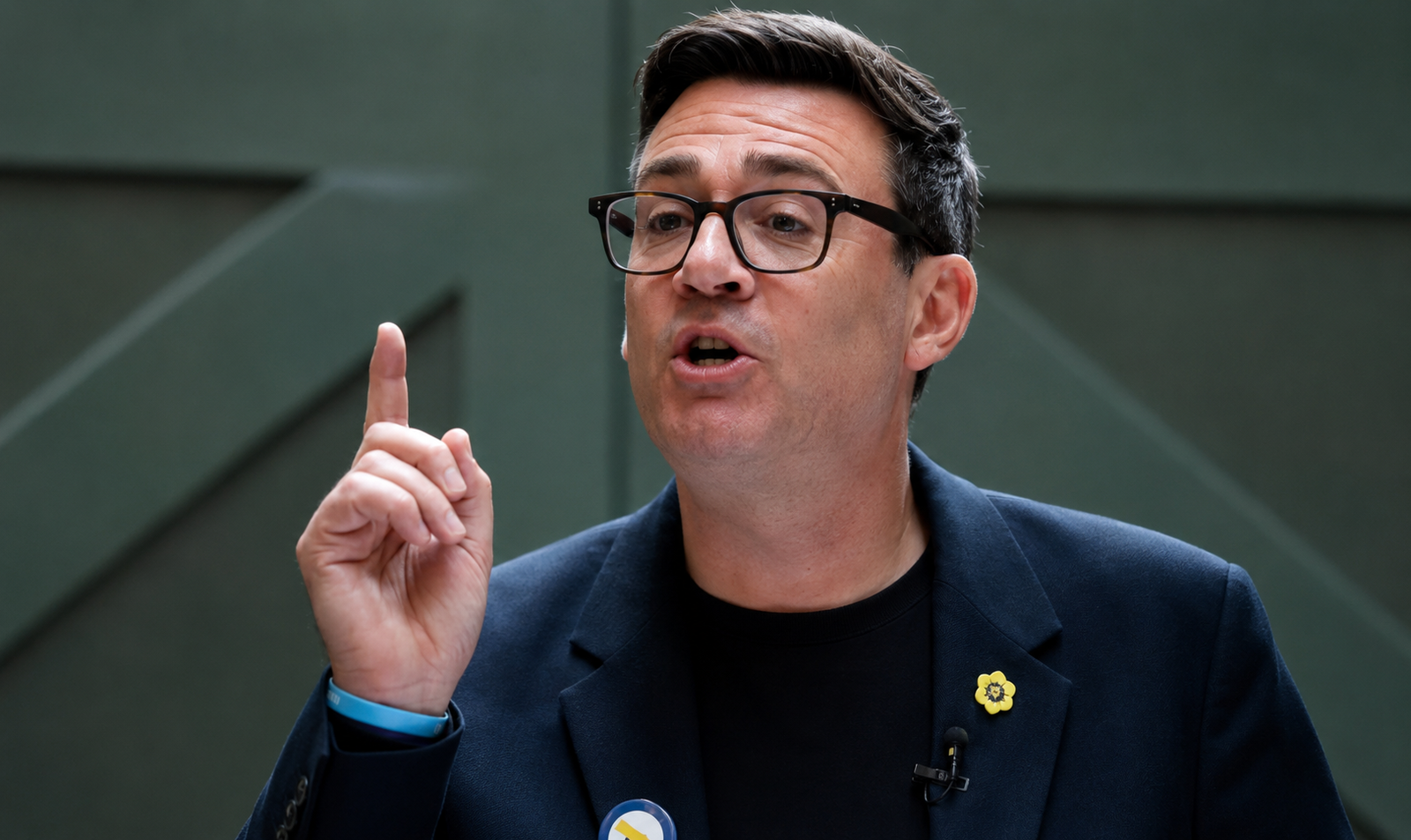
MANCHESTER, England — The race to define the next era of British governance has officially begun. Specifically, the presumptive next UK prime minister unveiled a radical blueprint to completely decentralize the British state. Pitching his platform to voters, the prominent Andy Burnham circuit breaker leader strategy promises to break decades of stagnation by shifting economic power directly out of London. Speaking in Manchester, the former regional mayor declared that the UK needs an immediate structural intermission to transition toward bottom-up growth.
Shifting Power Out of Westminster
Following the unexpected resignation of Prime Minister Keir Starmer, Burnham has emerged as the unchallenged frontrunner to assume leadership of both the governing Labour Party and the country. Consequently, during a high-profile speech at the People’s History Museum, the newly elected MP for Makerfield wasted no time laying out his 10-year economic mission.
The absolute centerpiece of his pitch involves the introduction of an economic “circuit breaker” designed to disrupt standard Westminster operations.
“Westminster has not been working for people, and it has not been working for a very long time,” Burnham firmly stated. “It is time for Whitehall to accept that growth cannot be ordered from the top down. Instead, it can only be nurtured from the bottom up.”
Establishing ‘No. 10 North’
To ensure that his vision is more than just rhetorical posturing, Burnham confirmed a flagship administrative proposal: the creation of a physical government department called “No. 10 North” based in northwest England. Rather than running the entire country from London, this new office will serve as the coordination center for national regional development.
Furthermore, under the planned structural shift, regional mayors and local councils will receive sweeping new autonomies:
- Welfare and Unemployment: Local leaders will play a central, active role in designing job support programs to get younger citizens off state benefits.
- Housing and Skills: Devolved authorities will gain direct control over post-16 vocational education and social housing development.
- Fiscal Devolution: Localities may eventually secure control over localized tax revenues, including business rates, to fund regional regeneration.
The Core Pillars of ‘Manchesterism’
Burnham has dubbed his economic framework “Manchesterism”—a philosophy aimed at combining public coordination with private capital to revitalize long-neglected infrastructure. To assure global financial markets of his fiscal sanity, his team confirmed he would strictly adhere to standard Labour fiscal rules and tax pledges. However, his longer-term objectives represent a sharp break from previous policy norms.
| Economic Priority | Planned Strategy & Action | Projected Long-Term Impact |
| Utility Reforms | Restructuring expensive, inefficient privatized water and energy networks. | Lowering the baseline cost of living for working families. |
| Public Procurement | Altering rules to strictly mandate “buying British” for public contracts. | Reviving domestic manufacturing and boosting apprenticeships. |
| Education Parity | Ending systemic favoritism toward the traditional university degree pathway. | Creating true structural parity between academic and technical skills. |
Skepticism and Political Backlash
Despite the initial wave of excitement surrounding his speech, the presumptive prime minister’s pitch did not escape swift criticism from opposition parties. For instance, Conservative Party Chairman Kevin Hollinrake immediately dismissed the entire “circuit breaker” economic concept. Hollinrake argued that the strategy is simply a political distraction designed to shuffle power between regional politicians rather than cutting taxes or fixing the core welfare network.
Simultaneously, Liberal Democrat leader Ed Davey warned that the public is highly impatient for immediate change, leaving Burnham a remarkably narrow window to deliver noticeable economic relief.
Conclusion: The Path Ahead to July 20
In summary, the rollout of the Andy Burnham circuit breaker leader platform sets an ambitious tone for the incoming administration. If no rival candidates emerge to formally challenge him, Burnham is on track to officially become the UK Prime Minister by July 20. Ultimately, while his decentralized strategy has successfully won praise from independent regional think tanks, his ability to successfully scale “Manchesterism” across the entire United Kingdom remains the ultimate test of his upcoming premiership.
Sources
- The Associated Press (AP News)
- The Guardian Politics
- The Financial Times (FT)
- Alliance News / Morningstar



More