World Cup Facing Severe Heat Wave Crisis as Knockout Rounds Begin Under Dangerous 100°F Temps

Aderson Aiden
July 1, 2026
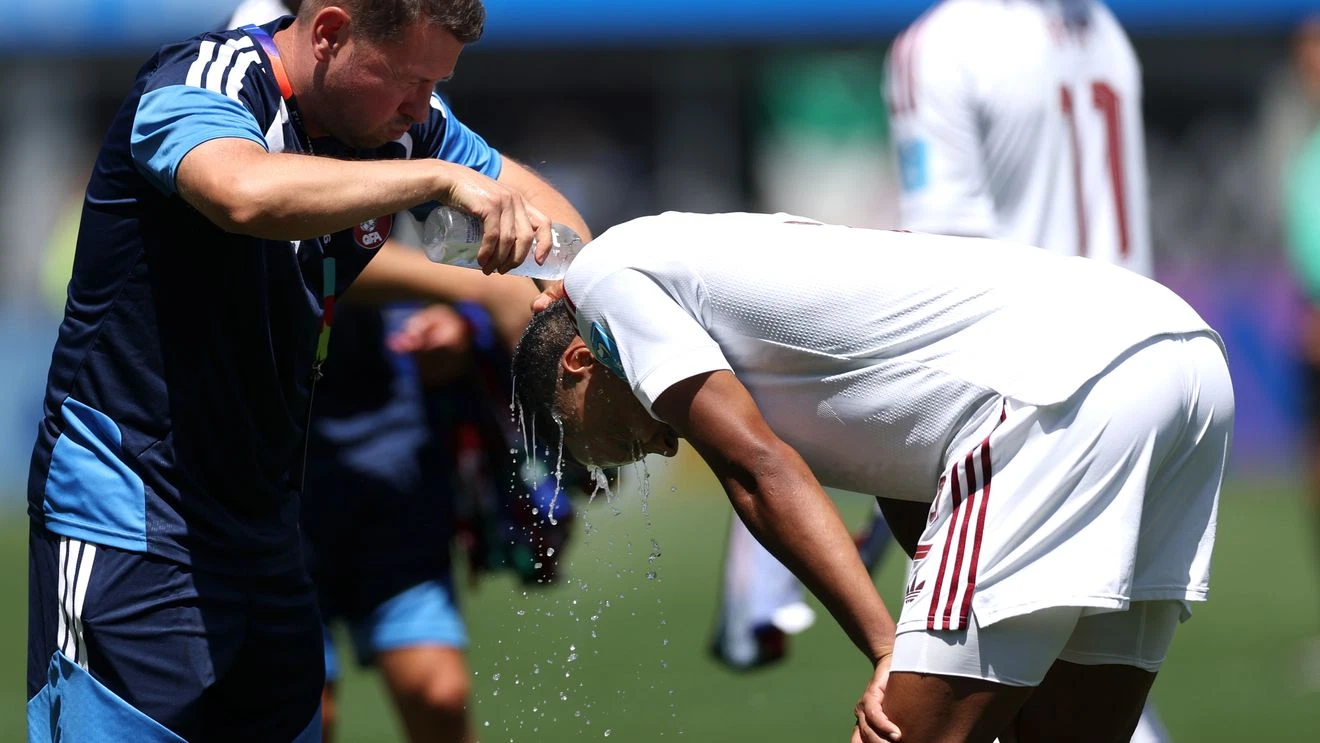
The highly anticipated knockout stages of the 2026 FIFA World Cup have collided head-on with a historic, life-threatening meteorological event. Forecasters have issued urgent alerts across the eastern United States, confirming that an intense World Cup heat wave crisis is rapidly developing. With temperatures expected to shatter century-old records, international athletes and hundreds of thousands of traveling fans are facing extreme conditions.
The National Weather Service has placed multiple host cities under prolonged extreme heat warnings. Shockingly, meteorologists expect the heat index to blast past 100°F (38°C) in several metropolitan hubs. Consequently, public health officials are questioning whether outdoor matches can be safely played without risking severe heat illness.
Host Cities Bracing for Unbearable Holiday Matches
The timing of the weather system could not be worse for the tournament’s logistics. According to an independent climate analysis, more than one-third of this year’s tournament matches are now at high risk for dangerous heat and humidity.
The epicenter of the immediate World Cup heat wave crisis will hit the northeast corridor:
- Philadelphia Standoff: The July 4th blockbuster match between Paraguay and France is facing the highest risk. The game kicks off at 5:00 PM ET, right when residual stadium heat peaks.
- Overnight Misery: Local advisories warn that overnight lows will hover in the upper 70s to low 80s. This layout offers zero structural cooling relief for the city.
- Lingering Threats: The heat dome is projected to stall through the weekend. This positioning directly threatens the Sunday afternoon match in New Jersey.
Historic Heat Dome Stalls Over East Coast ☀️ -> Stadium Temperatures Blast Past 100°F 🌡️ -> FIFA Activates Side-Line Air Conditioning ❄️ -> Health Officials Warn Fans
FIFA Implements Emergency Side-Line Interventions
In a frantic attempt to protect players and match officials from heat stroke, soccer’s international governing body has implemented mandatory adjustments. Specifically, FIFA has authorized an additional official water break per half to keep players hydrated.
| Tournament Factor | Standard Operating Guidelines | Heat Emergency Adjustments |
| Match Hydration | One voluntary break per half if needed. | Mandatory extra water breaks added for all players and refs. |
| Sideline Infrastructure | Open-air benches with standard fans. | Industrial air conditioning units installed on the benches. |
| Stadium Fan Policy | Strict limits on outside liquids. | Fans permitted to bring one factory-sealed water bottle inside. |
While these technical additions help the teams on the pitch, experts warn that the real danger rests in the unprotected grandstands. Older adults and individuals with cardiovascular conditions are being actively discouraged from attending outdoor matches in the highest-risk zones.
The New Reality of Climate-Impacted Global Sports
Ultimately, this ongoing World Cup heat wave crisis serves as a stark warning for the future of international sports infrastructure. As global temperatures continue to climb, hosting mega-events during peak summer months is becoming an operational liability.
While the games will proceed as scheduled, local medical teams are scaling up their presence outside the turnstiles. Emergency cooling buses and hydration stations are being deployed across major fan zones, proving that modern tournaments must now fight the elements just as hard as the competition on the field.