US-Iran Tensions Explode as Trump Reinstates Strait of Hormuz Blockade

Aderson Aiden
July 14, 2026
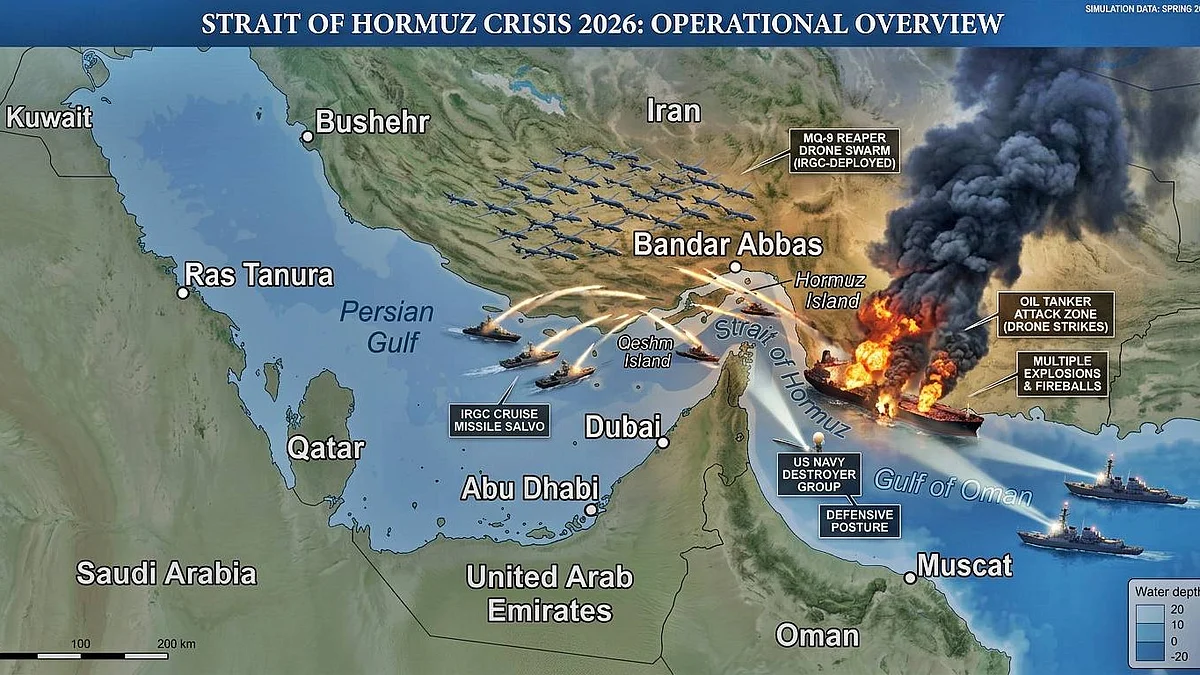
Global geopolitical dynamics shifted drastically today as US-Iran tensions exploded following the complete collapse of an interim ceasefire. Specifically, President Donald Trump ordered consecutive nights of heavy airstrikes on critical Iranian naval infrastructure. Consequently, the Islamic Revolutionary Guard Corps (IRGC) retaliated by firing missiles at commercial oil tankers and American bases. Therefore, energy experts predict a massive surge in global oil prices and severe disruptions to maritime trade networks. Ultimately, this sudden escalation plunges the strategic waterway back into a state of open military conflict.
The Core Triggers Behind Rising US-Iran Tensions
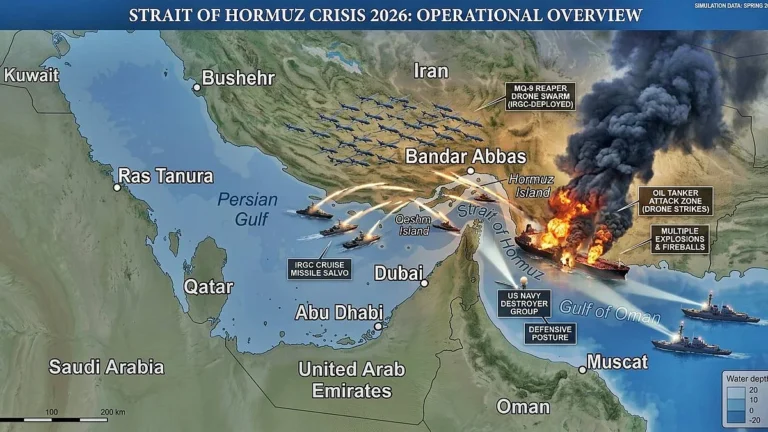
Initially, international diplomats successfully brokered a temporary truce to defuse the ongoing West Asia war. However, this fragile peace agreement fell apart completely on July 8, 2026. According to intelligence sources, Iranian forces allegedly struck several commercial vessels passing through the Strait of Hormuz. Furthermore, the UAE Ministry of Defence confirmed that two national tankers sustained direct hits from Iranian cruise missiles. Sadly, this brutal attack killed one Indian crew member and wounded eight other sailors in Omani territorial waters.
Consequently, the United States immediately terminated the diplomatic talks and prepared for a robust military intervention. White House officials accused Tehran of violating international maritime laws and threatening freedom of navigation. In response, the IRGC claimed that the United States provoked the clashes by violating the previous ceasefire parameters. Tehran maintained its sovereign right to manage the narrow waterway. Therefore, both nations engaged in a dangerous war of words that rapidly transformed into a kinetic military confrontation.
Heavy Military Strikes Fuel Ongoing US-Iran Tensions
Following the initial maritime attacks, the United States military launched three consecutive nights of devastating precision strikes. Specifically, U.S. Central Command (CENTCOM) targeted major Iranian military bases along the Persian Gulf coast. During a series of intensive five-hour missions, U.S. aircraft hit facilities in Bushehr, Chah Bahar, Jask, and Konarak. Furthermore, American forces destroyed coastal defense systems and missile launch sites on the strategic island of Abu Musa. Notably, the U.S. military also utilized one-way attack surface drones for the first time to strike a submarine maintenance facility in Bandar Abbas.
Unsurprisingly, Iran refused to back down in the face of this overwhelming American aerial campaign. Instead, the IRGC quickly launched a wave of retaliatory ballistic missiles against U.S. military installations throughout the region. Specifically, Iranian state media reported successful strikes on American military assets located in Jordan, Bahrain, and Kuwait. Furthermore, CENTCOM confirmed that the U.S. military death toll in the conflict rose to 14 service members. Additionally, more than 400 U.S. troops have suffered injuries, with many sustaining traumatic brain injuries from the incoming fire. Therefore, this rapid back-and-forth exchange demonstrates that both sides remain deeply committed to achieving total military dominance over the waterway.
Trump Reinstates Blockade to Match Escalating US-Iran Tensions
Amid the worsening violence, President Donald Trump officially notified Congress that formal hostilities against Iran had fully resumed. This presidential letter effectively opens a new 60-day window under the War Powers Act. Consequently, the administration can now conduct military operations without immediate congressional authorization. Furthermore, the U.S. Navy-led Joint Maritime Information Center (JMIC) announced the immediate reinstatement of a strict maritime blockade. This blockade covers all Iranian ports, oil terminals, and coastal areas to completely halt the Islamic Republic’s oil exports.
However, President Trump introduced a highly controversial policy shift regarding the security of the Strait of Hormuz. Specifically, the President proposed a mandatory 20 percent levy on all commercial cargo transiting the narrow waterway. Trump argued that international shipping companies must pay the United States for providing naval escorts and keeping the strait open. Unsurprisingly, this radical proposal drew immediate condemnation from world leaders and legal experts alike. For example, Brazilian President Luiz Inacio Lula da Silva publicly labeled the U.S. plan as acts of state “piracy”. Furthermore, critics pointed out that this fee contradicts existing international maritime laws regarding free navigation through global choke points.
Global Energy Infrastructure Crippled by US-Iran Tensions
The sudden revival of US-Iran tensions heavily destabilized global commodity markets and triggered panic among international energy traders. Historically, roughly 25 percent of the world’s seaborne oil trade passes through the narrow Strait of Hormuz daily. Additionally, the waterway accommodates more than 20 percent of the planet’s total liquefied natural gas (LNG) shipments. Therefore, the ongoing military blockade threatens to choke off vital energy supplies to European and Asian economies. Consequently, Brent crude futures surged past previous records within hours of the blockade’s official announcement.
Moreover, the maritime shipping industry faces unprecedented logistical challenges as insurance rates skyrocket. Maritime insurance companies increased transit premiums by four to six times following the recent cruise missile attacks. Consequently, many prominent commercial shipping firms completely suspended their operations in the Persian Gulf region. This widespread halt in shipping traffic affects more than just the oil and gas industries. Specifically, supply chains for essential commodities like aluminum, fertilizer, and helium are experiencing severe delays. Ultimately, global economic analysts warn that a prolonged conflict will trigger widespread inflation and a severe international energy crisis.
International Reactions to Persistent US-Iran Tensions
As the conflict intensifies, international allies and adversaries are rapidly taking sides in the dispute. Western nations firmly back the U.S. efforts to secure free navigation. However, these allies remain cautious about Trump’s proposed 20 percent transit tariff on international shipping. Meanwhile, nearby Gulf States find themselves trapped in a highly dangerous geopolitical position. Countries like the UAE and Saudi Arabia face direct threats from Iranian proxy groups if they assist the American military. Therefore, these regional partners are urgently upgrading their air defense systems to protect critical infrastructure.
Conversely, nations like China and Russia strongly criticize the aggressive actions of the United States. Beijing urged both Washington and Tehran to exercise maximum restraint and return to diplomatic negotiations immediately. However, China continues to purchase heavily discounted oil from Iran through alternative clandestine trade routes. This ongoing financial lifeline allows Tehran to fund its extensive military operations despite the strict U.S. naval blockade. Consequently, political experts believe that the current crisis cannot be resolved easily without major diplomatic concessions from all involved parties.
In conclusion, the world faces an incredibly volatile and dangerous situation as the Strait of Hormuz turns into a war zone. The U.S. military remains determined to degrade Iran’s naval capabilities and enforce the new blockade. Meanwhile, the IRGC shows no signs of surrendering its strategic leverage over the world’s most critical energy choke point. The coming weeks will decide whether diplomacy can prevail or if the region will descend into a catastrophic, full-scale war. International markets and ordinary citizens globally will undoubtedly feel the painful economic consequences of this explosive confrontation.
Sources
- The Hindu: West Asia war updates: Trump sends Congress formal notice that Iran conflict has resumed
- The Guardian: US launches third night of strikes on Iran as Trump announces Hormuz blockade
- Times of Israel: Trump weighs taking out ‘pickaxe’ nuclear site as US strikes Iran for 3rd night in a row
- Wikipedia: 2026 United States naval blockade of Iran
- Wikipedia: 2026 Strait of Hormuz crisis