Bangladesh Floods and Landslides: Military Rescues Over 1 Million Affected

Aderson Aiden
July 14, 2026
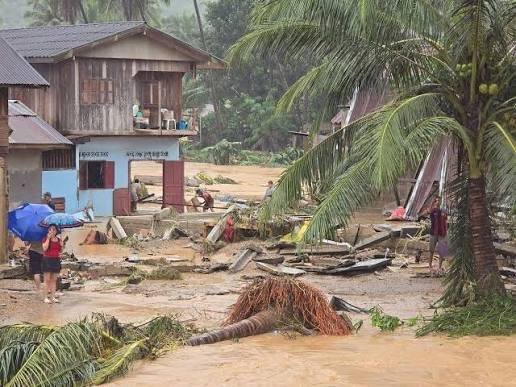
Heavy monsoon rains recently triggered catastrophic disasters across southern Asia. Specifically, the deadly Bangladesh floods and landslides have tragically killed at least 54 people. Furthermore, the extreme weather severely affected over one million residents across seven different districts.
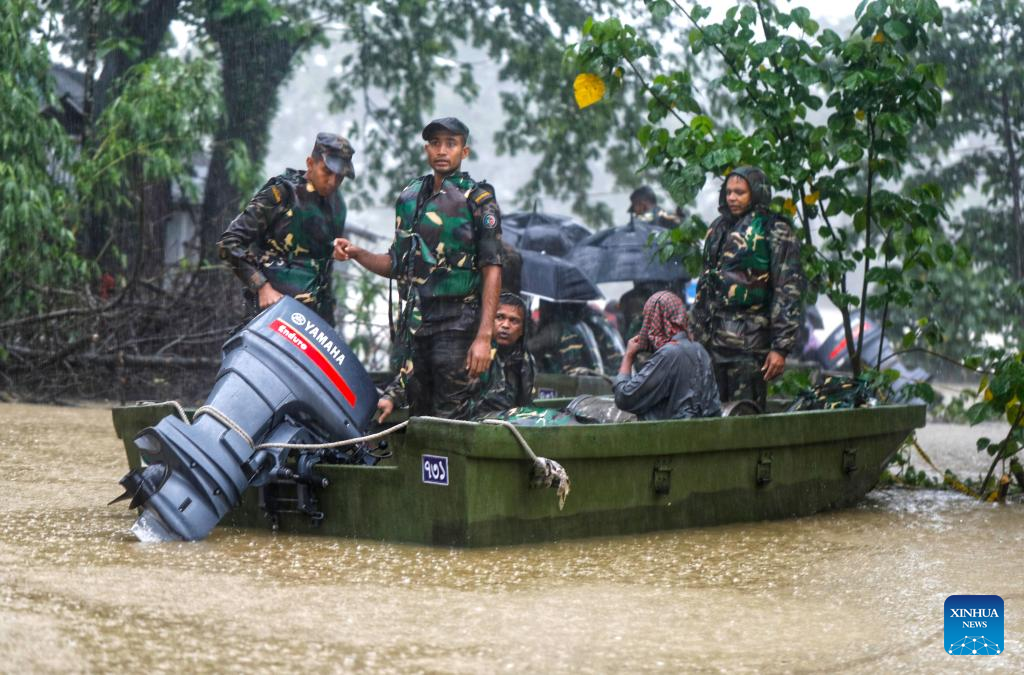
Consequently, the national government deployed the army and navy to conduct emergency rescue operations immediately. The relentless downpours completely submerged homes, destroyed vital infrastructure, and stranded countless vulnerable families. Therefore, local authorities are working tirelessly to provide food, shelter, and medical care to the displaced population. Ultimately, this tragic event highlights the extreme climate vulnerability of the region.
The disaster management ministry released updated casualty figures on Monday. Officials confirmed that the rushing floodwaters and mudslides injured at least 39 other individuals. Meanwhile, emergency responders continue searching for several missing persons in remote, hilly areas.
The torrential rains rapidly swelled local rivers far beyond their normal danger levels. Subsequently, the overflowing rivers breached embankments and flooded low-lying rural communities without warning. As a result, thousands of people lost all their earthly possessions overnight. Now, the entire nation mourns the massive loss of life and property.
The Devastating Impact of the Bangladesh Floods and Landslides
The sheer scale of the Bangladesh floods and landslides remains incredibly difficult to comprehend. The disaster directly impacted seven distinct districts: Chattogram, Cox’s Bazar, Bandarban, Rangamati, Khagrachhari, Moulvibazar, and Habiganj. Specifically, Chattogram experienced the highest overall number of affected individuals. Floodwaters inundated roughly 595,000 residents in that particular district alone. Consequently, nearly 147,500 families remain completely marooned by the rising waters. Therefore, many people desperately wait on their rooftops for rescue boats to arrive.
However, Cox’s Bazar recorded the absolute highest death toll of the entire disaster. Local officials confirmed at least 31 fatalities in that specific coastal district. The hilly terrain makes the area extremely susceptible to sudden mudslides during heavy rainfall. Furthermore, the disaster severely damaged 1,613 houses and 30 educational institutions across Cox’s Bazar. Additionally, the rushing waters washed away or ruined over 2,048 kilometers of crucial roadways. Consequently, this massive infrastructure damage severely complicates ongoing relief and rescue efforts.
Cox’s Bazar and the Rohingya Refugee Crisis
The situation in Cox’s Bazar holds another layer of extreme tragedy. This specific district houses the world’s largest refugee settlement. More than one million Rohingya refugees currently live there in incredibly fragile conditions. Tragically, the recent mudslides killed at least 13 Rohingya individuals, including several young children. The refugees mostly inhabit tiny shacks made of bamboo and thin plastic tarps. Furthermore, they built these flimsy shelters on steep, bare, landslide-prone hillsides. Therefore, any heavy rainfall immediately threatens their very survival.
Aid workers report massive destruction inside the sprawling refugee camps. The storms destroyed essential clean water sources, latrines, and washing facilities. Consequently, health officials fear a rapid outbreak of waterborne diseases like cholera and dengue fever. Moreover, several learning centers suffered severe structural damage, forcing administrators to close them indefinitely. International aid organizations desperately requested more funding to help the refugees. Unfortunately, recent aid cuts have already weakened the overall resilience of the camp population. Ultimately, these marginalized people face the brunt of this horrific climate disaster.
Military and Government Rescue Operations
The national government responded swiftly to the escalating crisis. Specifically, leaders ordered the immediate deployment of the army, navy, and border guard forces. These highly trained military units perform daring rescue operations in the most dangerous, isolated areas. For example, soldiers use specialized inflatable boats to reach families trapped in deep water. Furthermore, helicopters drop essential food and medicine to completely cut-off hill tract communities. Consequently, these brave servicemen and women have successfully saved countless lives over the past week.
Additionally, the Ministry of Disaster Management established 1,131 emergency shelter centers. Currently, roughly 44,457 displaced people have sought refuge inside these government facilities. Local administrators distribute hot meals, dry food packets, and clean drinking water to the survivors. Moreover, the central government allocated substantial financial relief to support the affected regions. Officials dispatched millions of Taka in cash alongside thousands of metric tonnes of rice. Therefore, the authorities hope these quick actions will stabilize the desperate situation temporarily.
Regional Infrastructure and Agricultural Damage
Beyond the tragic human toll, the economic devastation looks incredibly grim. The powerful floodwaters destroyed enormous swathes of valuable agricultural land. Specifically, the disaster ruined thousands of acres of nearly mature crops. Consequently, local farmers face complete financial ruin and massive debts. Furthermore, this massive agricultural loss threatens the regional food supply for the upcoming months. Therefore, market analysts predict a sharp spike in local food prices very soon.
Moreover, the floods severely crippled regional transportation networks. Waterlogged railway tracks completely halted train services between Dhaka, Chattogram, and Cox’s Bazar. Additionally, collapsed bridges and washed-out culverts isolate dozens of rural villages. Consequently, delivery trucks cannot transport emergency supplies or commercial goods effectively. Local engineers must wait for the water levels to recede before they can begin major repairs. Ultimately, rebuilding this vital infrastructure will cost the government millions of dollars and require many months of hard work.
Climate Change Worsens Extreme Weather Events
Scientists consistently warn about the increasing frequency of these disasters. The Bangladesh floods and landslides perfectly illustrate the terrifying reality of global climate change. Historically, Bangladesh always experienced seasonal monsoon rains and occasional flooding. However, the intensity and duration of these modern storms have increased drastically. Warmer global temperatures cause the atmosphere to hold significantly more moisture. Consequently, this excess moisture results in much heavier, concentrated downpours over shorter periods.
Furthermore, rising sea levels compound the flooding problem for this low-lying, coastal nation. When heavy inland rains meet higher ocean tides, the water simply cannot drain away fast enough. Therefore, coastal districts like Cox’s Bazar and Chattogram remain perpetually trapped between overflowing rivers and the rising sea. Environmental experts urge the international community to take aggressive action against climate change immediately. Additionally, they demand more financial support for climate-vulnerable countries like Bangladesh.
Local leaders also emphasize the need for better disaster preparedness. For instance, the government must build stronger embankments and more resilient infrastructure. Furthermore, authorities must relocate vulnerable populations away from dangerous, landslide-prone hillsides. While the military performs excellent rescue operations, proactive prevention saves far more lives. Therefore, the country must adapt its urban planning and agricultural practices to survive this new climate reality.
In conclusion, the nation faces a long and incredibly difficult road to recovery. The government, military, and international aid agencies must cooperate closely to rebuild the shattered communities. Meanwhile, the survivors desperately try to salvage their homes and their livelihoods. The world must not ignore the immense suffering caused by this catastrophic event. Ultimately, everyone must work together to combat the global climate crisis before the next disaster strikes.
Sources
- Dhaka Tribune: Bangladesh flood, landslide death toll rises to 54
- IBTimes: Bangladesh Floods Kill 51, Injure 39 As Over A Million Now Confirmed Affected
- The Business Standard: Flood death toll reaches 51, over 10 lakh affected in seven districts
- bdnews24.com: Flood death toll rises to 51
- Save the Children: BANGLADESH: Deadly landslide kills seven more children in Rohingya camps
- ANI News: Landslide in Rohingya camp kills three children as floods worsen in southern Bangladesh