Grid Crisis: DOE Emergency Grid Orders Unlocked to Protect Mid-Atlantic Infrastructure From Record Heat

Md.Moshail Ahmed
July 1, 2026
A dangerous, record-breaking heat wave has forced the federal government to intervene. On June 30, 2026, U.S. Energy Secretary Chris Wright officially declared a federal power emergency. He issued sweeping DOE emergency grid orders under Section 202(c) of the Federal Power Act. This emergency step aims to prevent catastrophic blackouts across the Mid-Atlantic region.
The emergency intervention comes at the direct request of PJM Interconnection. This massive regional transmission organization manages the power supply for 67 million people across 13 states and Washington, D.C. With temperatures forecast to skyrocket well past 100°F (38°C) in major metropolitan areas, the grid operator warned of an imminent capacity shortfall.
Tapping AI Data Centers and Waiving Pollution Limits
The federal intervention consists of two distinct, aggressive emergency directives. These measures will inject immediate capacity back into the system from July 1 through July 3, 2026. Because reserve margins have shrunk due to the rapid expansion of artificial intelligence data centers, the Department of Energy is forcing these massive energy consumers to take immediate responsibility.
The dual mechanism of the DOE emergency grid orders targets both supply and demand:
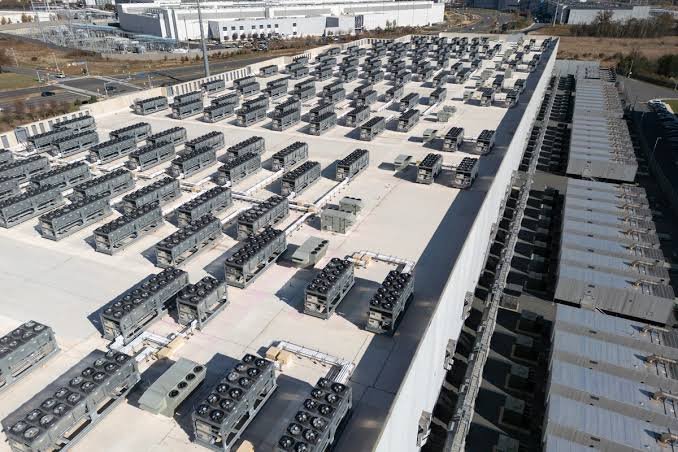
- The Backup Generation Order: This directive authorizes PJM to curtail power to large-load sites. Specifically, it impacts data centers and hyperscale AI campuses utilizing over 50 megawatts of power. These facilities must switch to their own on-site backup generators within 15 minutes. This change immediately frees up massive blocks of electricity for residential homes.
- The Maximum Generation Order: This measure allows designated power plants across the Mid-Atlantic to exceed their traditional environmental permit boundaries. Consequently, plants can bypass standard emission and wastewater rules. This allows them to run at maximum output during peak heat intervals.
Looming Demand Threatens to Break All-Time Records
According to PJM’s formal emergency applications, the grid is bracing for unprecedented strain over the holiday week. The operator projects peak electricity loads to reach 159,563 megawatts (MW) on July 1. Demand will then escalate to a staggering 166,304 MW on July 2.
| Date | Forecast Peak Demand | Context & Risk Factors |
| Wednesday, July 1 | 159,563 MW | Near-record levels; Maximum Generation Alerts active. |
| Thursday, July 2 | 166,304 MW | Projected to smash the all-time grid record set in 2006 (165,563 MW). |
| Friday, July 3 | 155,780 MW | Elevated load; federal emergency orders remain in place until 11:59 PM. |
If the July 2 projection holds true, the system will surpass its all-time record load of 165,563 MW. This historic milestone has stood firmly since 2006. Energy Secretary Chris Wright noted that tapping into backup generation maintained by tech companies is an absolute necessity to prevent rolling blackouts.
The Underlying Crisis: Data Centers and Retired Plants
While the immediate catalyst for the emergency is the punishing July heat wave, energy analysts stress that the Mid-Atlantic grid has been walking a tightrope all year. The DOE has already been forced to issue multiple emergency orders in 2026. For example, the government intervened during Winter Storm Fern in January and an unseasonable heat spike in May.
The crisis stems from a compounding structural problem. Legacy fossil-fuel power plants are retiring far faster than clean energy alternatives can be connected to the grid. Concurrently, the regional power demand from data centers has grown exponentially. This supply-demand imbalance has driven wholesale power prices in the PJM territory up by a staggering 76% year-over-year.
“Deployment of backup generation resources can prevent avoidable blackouts, thereby saving lives,” Secretary Wright落 emphasized in the official filing. However, he clarified that these emergency exemptions do not apply to critical public-safety facilities. This ensures hospitals, air traffic control towers, and water treatment facilities face no operational disruptions.
What Mid-Atlantic Consumers Should Expect
For everyday residential customers throughout the Mid-Atlantic and Northeast, the activation of these DOE emergency grid orders serves as a vital safety net. However, voluntary conservation is still highly encouraged. PJM has already canceled all scheduled transmission line testing and generator maintenance to keep every available megawatt online.
As the heat crests, residents can expect localized utility companies to issue load-management alerts. These alerts urge consumers to hold off on running major appliances during peak afternoon hours. Thanks to the emergency redistribution of power away from industrial AI hubs, the likelihood of controlled rolling outages has dropped significantly. Even so, grid operators warn that the safety buffer remains razor-thin.
Sources & Additional Coverage
For more details on this evolving story, please consult the primary sources listed below:
- Federal Announcement: Review the official statutory emergency declarations and legal filings directly on the U.S. Department of Energy (DOE) tracking portal.
- Grid Operations Data: Monitor real-time system conditions, regional load forecasts, and active operational alerts directly via PJM Interconnection.
- Industry Analysis: Read the comprehensive breakdown of the Section 202(c) order and data center impacts on The American Public Power Association (APPA).



More