Scorching Summer: Brutal US Pre-Holiday Heat Wave Blankets East Coast in Record-Breaking Temperatures

Md.Moshail Ahmed
July 3, 2026
An unrelenting meteorological system has gripped a massive portion of the United States just ahead of the Fourth of July holiday weekend. On July 3, 2026, a brutal US pre-holiday heat wave expanded its reach from the Midwest into the densely populated Northeast. Consequently, the National Weather Service (NWS) placed nearly 200 million Americans under active heat watches, advisories, or extreme warnings.
The sprawling “heat dome” has pushed temperatures into the triple digits from Chicago to Boston. Because high humidity levels are trapping the stifling heat, major metropolitan areas are experiencing little to no relief after sunset. As a result, public health officials are warning citizens to modify their holiday travel plans and monitor vulnerable neighbors.
Extended Humidity and Midnight Misery Disrupt Major Cities
The most dangerous aspect of this multi-day weather event centers on the unusually high overnight lows. In cities like New York and Philadelphia, temperatures refuse to drop below the upper 70s during the night. Therefore, urban infrastructure has had zero structural opportunity to cool down.
The current climate crisis has triggered several immediate societal challenges:
- Travel Disruptions: Regional rail networks implemented mandatory speed restrictions. This precaution prevents steel tracks from warping under the direct sun.
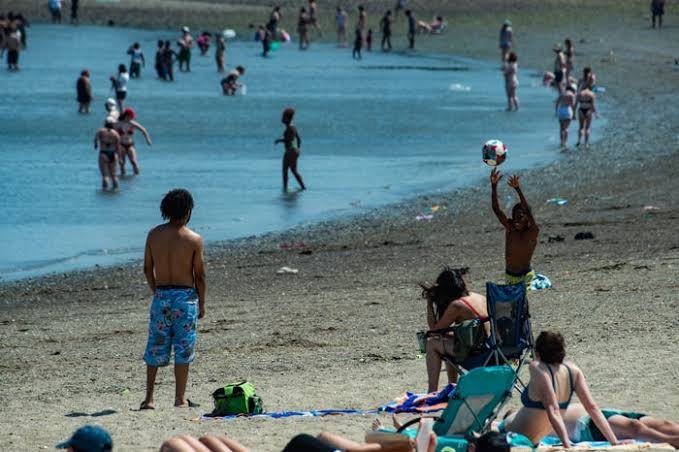
- Beaches Overwhelmed: Local coastal authorities deployed extra lifeguards. Millions of residents rushed to the shorelines to escape the oppressive interior heat.
- Event Cancellations: Dozens of municipal pre-holiday parades and outdoor festivals were officially canceled or moved indoors to prevent widespread heat exhaustion.
Power Grids and Infrastructure Put to the Ultimate Test
As millions of households crank up their air conditioning units simultaneously, energy providers are monitoring regional grid stability with intense scrutiny. Fortunately, massive investments in renewable battery storage over the last two years have successfully prevented widespread blackouts so far.
| Metropolitan Hub | Peak Observed Temperature | Local Government Emergency Stance |
|---|---|---|
| Chicago Metro Area | 101°F (38.3°C) | Extended cooling center hours; emergency energy alerts active. |
| New York City | 99°F (37.2°C) | Severe US pre-holiday heat wave protocol initiated; city pools open late. |
| Boston Corridor | 97°F (36.1°C) | Free public hydration stations deployed across historic tourism zones. |
Furthermore, medical emergency teams have noted a sharp 25% spike in heat-related hospital admissions. Paramedics are prioritizing calls involving elderly individuals or outdoor workers who face prolonged exposure to the stifling elements.
Marine Context: The Warming Oceans Behind the Crisis
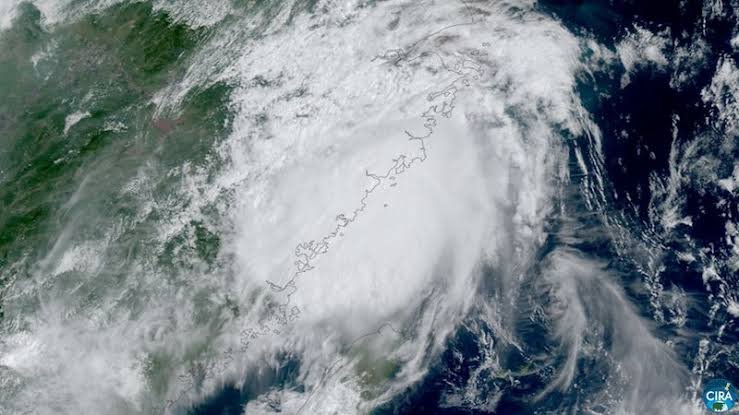
While land temperatures dominate the headlines, environmental scientists point out that the surrounding oceans are intensifying the land-based misery. The Met Office and Copernicus recently confirmed that marine heatwaves are breaking records across the Atlantic.
These warm ocean temperatures prevent cool sea breezes from offering their traditional relief to coastal cities. Instead, warm, humid marine air flows inland, turning the entire Eastern Seaboard into a virtual sauna.
“This is not just a standard summer spike,” an NWS senior meteorologist explained. “The sheer geographic scope of this heat dome, combined with unprecedented humidity levels, makes this an exceptionally hazardous public health event.”
Long-Term Outlook for the Holiday Weekend
Ultimately, the dangerous conditions are expected to persist through the main holiday festivities before a weak cold front arrives from Canada early next week. Until then, municipal leaders urge the public to avoid strenuous outdoor activities during peak afternoon hours. By utilizing designated public cooling centers and drinking plenty of water, communities can safely navigate this extreme weather event and prevent localized holiday celebrations from turning into medical emergencies.

More