Travel Rules Are Changing Again—What Every International Traveler Should Know

Mike Show
July 29, 2026
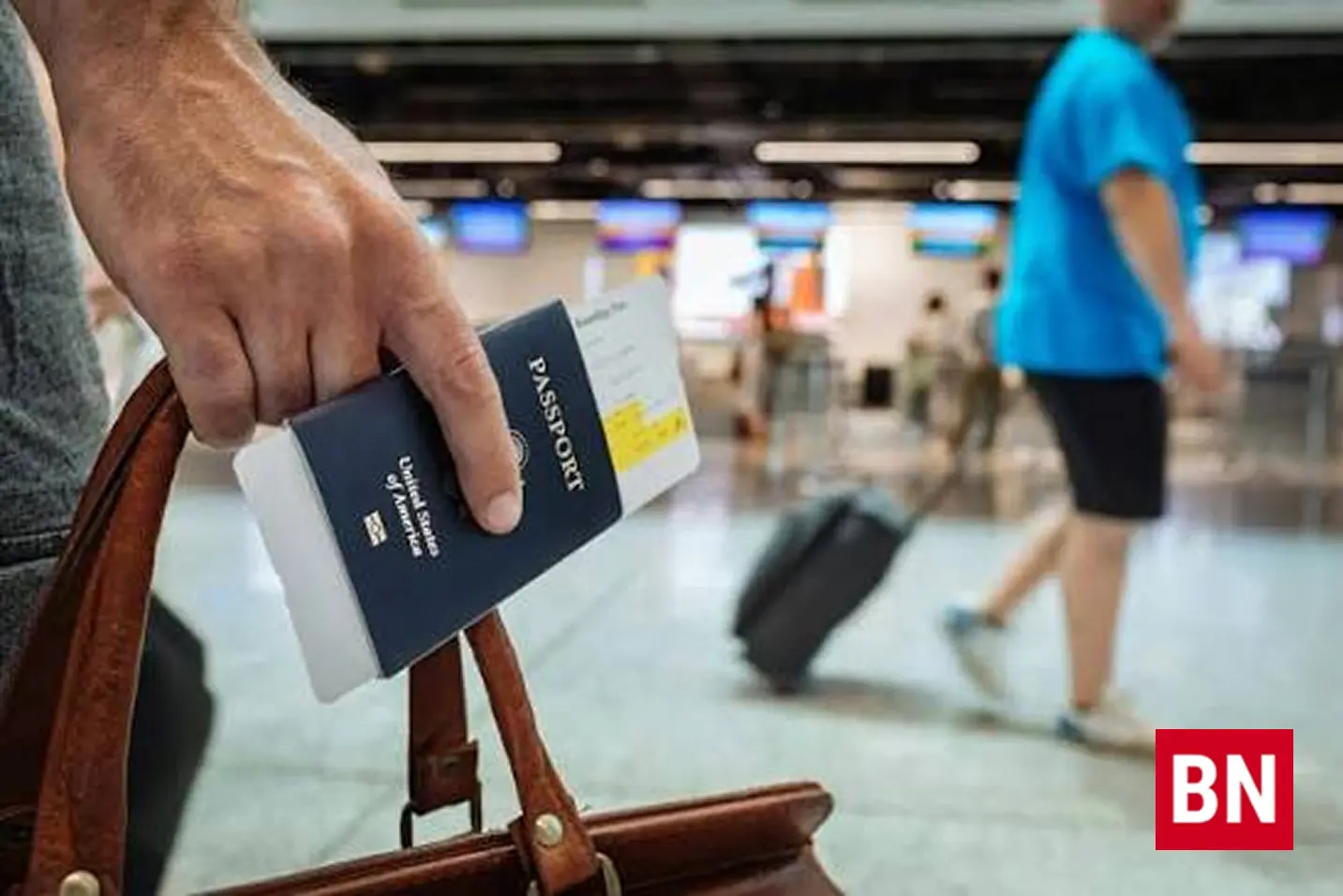
First and foremost, navigating borders is becoming increasingly digital. In 2026, international travel rules are undergoing major transformations across Europe and the United Kingdom. Consequently, vacationers and business travelers must prepare for new electronic pre-screening requirements, biometric data collections, and mandatory travel fees. Specifically, failure to comply with these updated systems will result in denied boarding or refused entry.
Europe’s Digital Border is Fully Operational
Undoubtedly, the biggest shift for travelers heading to the Schengen Area is the implementation of the European Union’s Entry/Exit System (EES). Specifically, this system officially became fully operational on April 10, 2026.
Furthermore, the EES completely replaces the traditional manual stamping of passports. Instead, all non-EU nationals traveling for short stays must now register their biometric data at the border.
- Travelers must provide their fingerprints and a facial image.
- The system records the exact place, time, date, and purpose of every entry and exit.
- Since its launch, the system has successfully registered over 145 million border crossings.
The Upcoming ETIAS Requirement
Meanwhile, another layer of security is on the horizon. The European Travel Information and Authorisation System (ETIAS) is currently scheduled to launch in the last quarter of 2026. Therefore, visa-free travelers will soon need pre-authorization before visiting 30 European countries.
In addition, applicants must pay a €20 fee, though the authorization is free for travelers under 18 and over 70 years old. The approved ETIAS will remain valid for three years or until the traveler’s passport expires. However, officials strongly warn against fraudulent services. There are currently more than 60 unofficial websites offering fake ETIAS applications, risking personal data theft.
Strict Enforcement of the UK ETA
On the other hand, the United Kingdom has already tightened its own entry protocols. As of February 25, 2026, the UK government strictly enforces its Electronic Travel Authorisation (ETA) system for visa-exempt nationalities.
Consequently, carriers now operate under a strict “no permission, no travel” mandate.
- The UK ETA costs £16 per person, including infants.
- It remains valid for two years or until passport expiry.
- Airlines and ferry operators are legally required to deny boarding to anyone lacking a valid ETA or linked eVisa.
The Impact on Global Tourism
Ultimately, these shifting international travel rules are designed to modernize border management and enhance national security. Moreover, some of these updated fees will help combat the ongoing issues of over-tourism while protecting local communities.
In conclusion, spontaneity in international travel is largely becoming a thing of the past. Travelers must proactively check these evolving entry requirements well in advance to avoid costly disruptions and missed flights.
Sources
- ABTA, “Upcoming changes for travel to Europe” — https://www.abta.com/tips-and-advice/planning-and-booking-a-holiday/upcoming-changes-travel-europe
- Directorate-General for Migration and Home Affairs, “The Entry Exit System is fully operational since 10 April 2026. Who is exempt?” (July 27, 2026) — https://home-affairs.ec.europa.eu/news/entry-exit-system-fully-operational-10-april-2026-who-exempt-2026-07-27_en
- France Diplomatie, “EES: The new European border Entry/Exit System goes live on 10 April 2026” (April 10, 2026) — https://www.diplomatie.gouv.fr/en/services-to-foreigners/visiting-france/ees-the-new-european-border-entryexit-system-goes-live-on-10-april-2026
- Paragon Law, “UK ETA Enforcement from 25 February 2026: What Travellers Need to Know” (January 12, 2026) — https://www.paragonlaw.co.uk/resources/uk-eta-enforcement-february-2026
- Newland Chase, “UK to Enforce ETA Requirement from February 2026” (November 26, 2025) — https://newlandchase.com/uk-to-enforce-eta-requirement-from-february-2026/
- AXA Schengen, “Traveling to Europe in 2026: Changes and New Rules” (January 1, 2026) — https://www.axa-schengen.com/en/news/changes-european-travel
- Amara Voyages, “Travel Changes 2026: Fees & Entry Rules” — https://amaravoyages.com/travel-changes-2026-fees-entry-rules/



More