China New Law on Ethnic Unity Draws International Outcry as Xi Jinping Tightens Control

Md.Moshail Ahmed
August 8, 2026
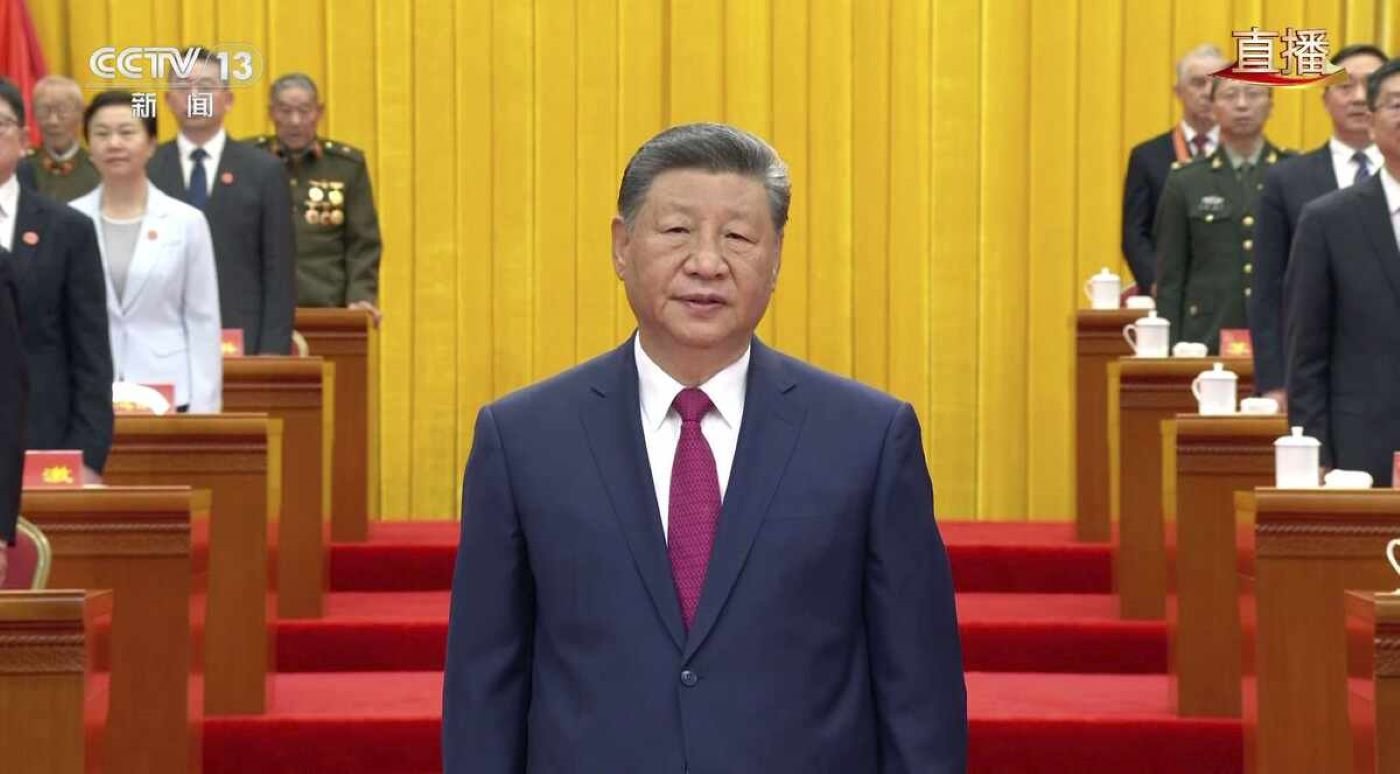
Tracking China news today, international concern continues to grow after President Xi Jinping formally signed China’s Law on Promoting Ethnic Unity and Progress into effect. Consequently, human rights advocates and international bodies warn that the China new law codifies aggressive forced assimilation policies across regions home to Chinese minorities. Specifically, the legislation prioritizes Mandarin Chinese over indigenous languages, expands state control over religious institutions, and mandates ideological alignment with the ruling party. (To read more about East Asian diplomatic developments, check our internal East Asian Policy & Security Analysis report).
Core Mandates Behind Xi Jinping’s Ethnic Assimilation Framework
Passed by the National People’s Congress and enacted nationwide, the legislation transforms local ethnic policies into binding legal mandates. Furthermore, the statute explicitly centers around President Xi Jinping’s core directive of “forging a strong sense of community for the Chinese nation”. Under this legal framework, public institutions, schools, and private citizens must align cultural practices with state-defined norms.
Ethnic Policy Transformation Framework
(How China’s Law on Promoting Ethnic Unity Reshapes Minority Governance)
↓
Centralized Sinicization Policy
(The Party codifies nationwide cultural integration under Xi Jinping’s doctrine)
↓
Mandatory Language Primacy
(Mandarin takes strict precedence over minority scripts in education and public spaces)
↓
Ideological & Religious Enforcement
(Religious groups and families must promote socialist values and party loyalty)
In addition, Article 15 of the statute establishes Mandarin (Putonghua) as the primary language across schools and administrative bodies. Although the law states that native languages are respected, it legally requires Chinese characters to appear more prominently than minority scripts whenever both appear publicly. Moreover, the legislation obligates parents to guide minors to love the Chinese Communist Party.
“This is not a recent reversal of policies, but a concretization of legal, ideological, and brutally repressive ethnic policy.”
— Frank Lehberger, Sinologist and East Asia Specialist, quoted byRadio Free Asia
Global Backlash Surrounding China Politics and Chinese Minorities
Meanwhile, experts in China politics highlight that the law significantly curtails constitutional protections previously granted to autonomous regions. Indeed, United Nations human rights experts warned that the legislation violates international treaties China previously ratified. Specifically, UN officials cautioned that the mandates severely erode linguistic, religious, and cultural autonomy among Uyghur, Tibetan, and Mongolian populations.
Furthermore, the law includes extraterritorial enforcement provisions under Article 63. Consequently, foreign governments worry Beijing could target overseas diaspora communities who critique state ethnic policy. Therefore, international lawmakers and Taiwanese officials have called for protective measures to counter potential transnational pressure.
| Policy Sphere | Legal Mandate & Operational Impact |
| Language & Education | Mandates Mandarin in preschools and requires Chinese text to outrank minority scripts. |
| Religious Oversight | Forces places of worship to adapt doctrines to socialist society and Sinicization goals. |
| Family & Society | Legal obligation for parents to guide children in party loyalty and love of the nation. |
| Extraterritorial Reach | Authorizes legal action against individuals abroad deemed to undermine ethnic unity. |
Sources



More