Hormuz Traffic Slows as US Threatens Iran with Severe Economic Pressure

Md.Moshail Ahmed
August 14, 2026
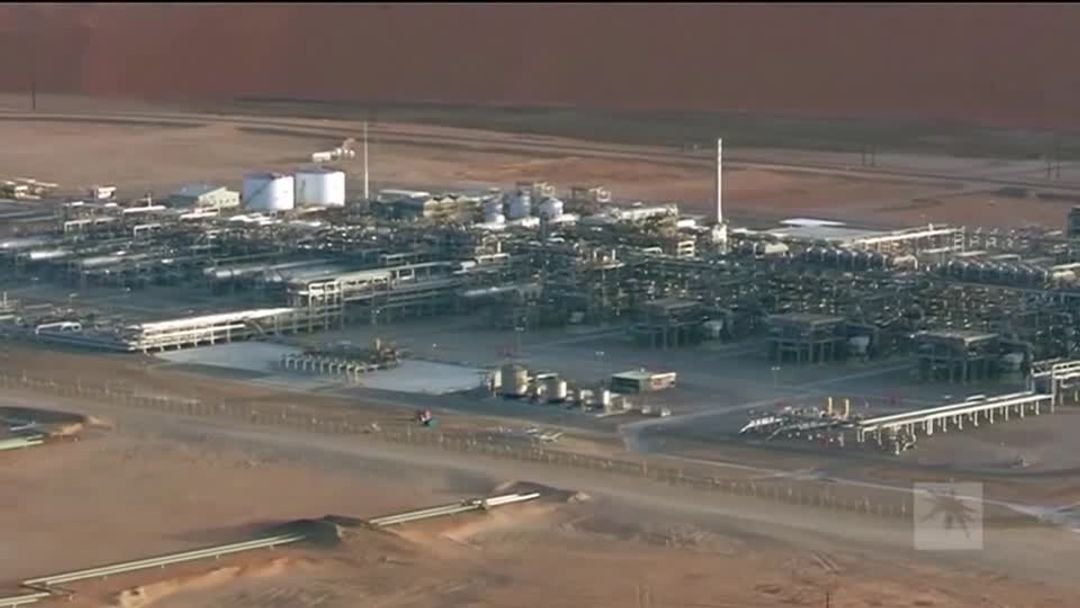
On Friday, Hormuz traffic slows to a near standstill after fresh maritime attacks and aggressive rhetoric from Washington paralyzed commercial shipping through the strategic waterway. Specifically, data from ship-tracking firm Kpler showed only two commercial vessels transiting the Strait of Hormuz on Friday, down sharply from previous days. In addition, the sudden decline followed missile strikes on two UAE-linked tankers and explicit U.S. threats of unprecedented economic isolation against Tehran. Consequently, regional energy markets face renewed volatility as diplomatic negotiations remain stalled.
Fresh Attacks and Naval Blockade Cause Maritime Freeze
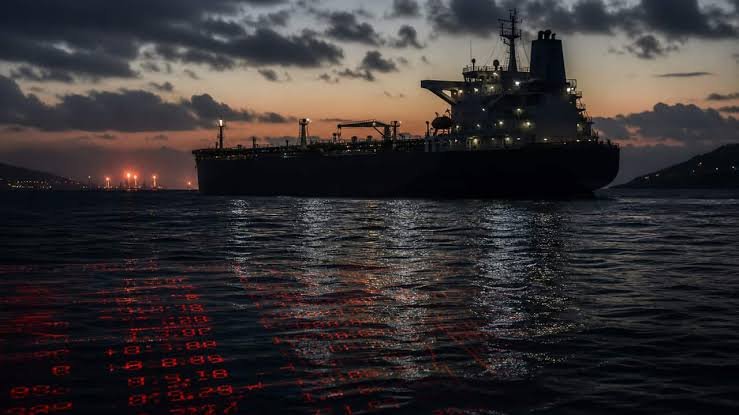
In fact, maritime activity across the vital oil choke point dropped to historic lows after two Abu Dhabi National Oil Company (ADNOC) vessels suffered attacks on Thursday evening. Furthermore, the UAE government blamed Iranian forces for the strikes, although Tehran issued no immediate commentary. Meanwhile, Washington signaled that the U.S. military will maintain an indefinite naval presence to enforce its retaliatory blockade on Iranian ports.
Strait Escalation Sequence
(Operational breakdown of recent maritime developments)
↓
June Ceasefire Breakdown
(Diplomatic talks stall as both sides exchange demands for war reparations and sanctions relief)
↓
Tanker Strikes in the Strait
(Missile and drone attacks target ADNOC commercial vessels transiting the waterway)
↓
U.S. Blockade Threats
(Washington pledges an indefinite naval presence and sweeping new financial sanctions)
↓
Maritime Standstill
(Ship traffic drops to near zero as commercial operators avoid the transit corridor)
However, U.S. Treasury Secretary Scott Bessent warned that the administration plans to unveil new punitive measures against Iran next week.
“It will be a combination of economic isolation, like the world has never seen before. The continued blockade in the Strait of Hormuz will keep anything from going in or out of the Iranian ports.”
— Scott Bessent, U.S. Treasury Secretary
Global Energy Markets Weigh Disruption Risks
As a result of the escalating hostilities, total vessel crossings have plummeted far below the pre-war average of 130 ships per day. Indeed, energy analysts note that Iran uses its ability to restrict traffic through the strait as its primary leverage in negotiations. Moreover, crude oil prices held steady near weekly gains as traders evaluated the risk of prolonged supply cutoffs. Ultimately, commercial fleets continue to loiter in safer anchorages across the Gulf of Oman until security conditions improve.
| Maritime Parameter | Pre-War Benchmark | August 14 Status & Details |
| Focus Keyword | N/A | Hormuz Traffic Slows. |
| Daily Vessel Transits | ~130 ships per day | 2 ships (Near standstill). |
| Recent Incidents | Standard maritime transit | 2 ADNOC vessels struck Thursday. |
| U.S. Policy Stance | Open navigation monitoring | Indefinite blockade & new sanctions threat. |
| Iranian Position | Standard regional patrol | Demands end to blockade & sanctions relief. |
Sources
- The Times of Israel – Hormuz traffic slows further after US threatens more economic pressure on Iran
- The Business Standard – US warns Iran it will step up economic pressure; two more ships attacked in Hormuz
- CBS News – U.S. threatens Iran with “economic isolation like the world has never seen”
- CNBC – Hormuz remains blocked: Iran disputes Trump claims as traffic sinks


More