Iran Defiant on Strait of Hormuz as Trump Urges Americans to Accept Higher Gas Prices

Md.Moshail Ahmed
August 15, 2026
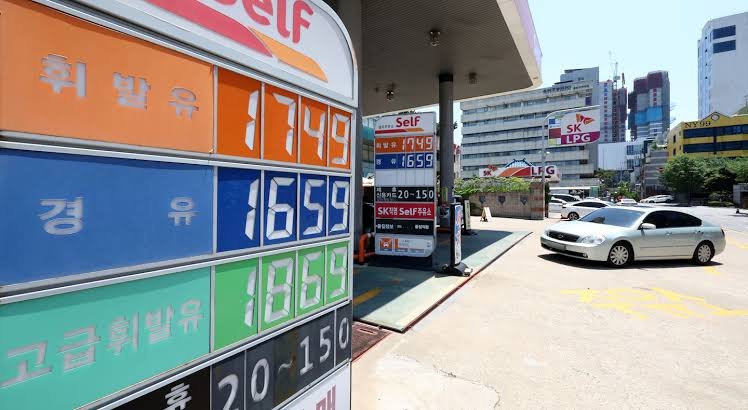
On Saturday, August 15, 2026, Iranian officials vowed to maintain strict control over shipping through the Strait of Hormuz, rejecting U.S. demands to reopen the strategic waterway. Specifically, Iranian Deputy Foreign Minister Kazem Gharibabadi declared that Tehran alone will determine when maritime traffic resumes, calling on Washington to “accept the reality of defeat”. Meanwhile, President Donald Trump urged Americans during a New York rally to accept higher gasoline prices, framing the financial burden as a necessary cost to prevent Iran from obtaining nuclear weapons. As a result, the escalating confrontation has pushed U.S. average gas prices to $4.08 per gallon while maritime shipping remains severely stalled.
Strait Blockade and Diplomatic Standoff
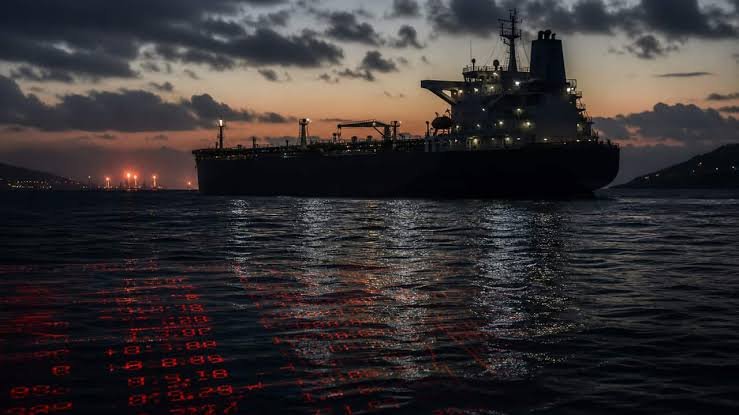
In fact, traffic through the narrow waterway—which historically handled one-fifth of global oil exports—has ground to a near-total halt. For instance, ship-tracking data showed only two commercial vessels transiting the strait on Friday, down from more than 130 per day before the U.S.-Israel military campaign began in February. Furthermore, Iranian Foreign Minister Abbas Araqchi confirmed that Tehran has no immediate plans to resume formal negotiations with Washington. Consequently, crude oil futures climbed further, pushing benchmark Brent and West Texas Intermediate futures to substantial weekly gains.
Strait Escalation & Economic Impact Sequence
(Operational pipeline of the waterway blockade and global market impact)
↓
Military Outbreak & Shipping Restrictions (Feb 2026)
(U.S.-Israel strikes initiate conflict; Iran restricts commercial tanker traffic through Hormuz)
↓
Severe Transit Reductions & Tanker Attacks
(Daily vessel transits drop from 130+ to single digits as attacks on foreign tankers mount)
↓
Domestic Energy Price Surge
(U.S. average gas prices rise 29% year-over-year to $4.08 per gallon)
↓
Diplomatic Deadlock & Market Volatility
(Tehran rejects U.S. demands while Washington pledges further economic sanctions)
In addition, Iranian officials warned that threats or military displays will not reopen the channel.
“This strait will be opened and closed only under Iran’s command, and so long as you do not accept the reality of defeat and stop indulging in fantasies, Iran will continue to enforce the blockade.”
— Kazem Gharibabadi, Iranian Deputy Foreign Minister, statement on X
U.S. Domestic Impact and Economic Fallout
Indeed, rising fuel costs are creating significant political pressure in Washington ahead of upcoming congressional elections. However, President Trump defended the military intervention, telling supporters in Garden City, New York, that paying “a tiny little bit more for your gasoline” is a worthwhile trade-off to neutralize a national security threat. In response, opposition leaders argued that persistent inflation and energy price hikes contradict earlier administrative promises to lower household costs. Ultimately, both Washington and Tehran appear prepared for an extended economic and strategic war of attrition.
| Market / Operational Parameter | Current Status & Economic Metrics |
| Focus Keyword | Iran Strait Hormuz Gas Prices. |
| Waterway Status | Blockaded under Iranian naval command; commercial traffic down ~85%+. |
| U.S. Gasoline Average | $4.08 per gallon (up 29% year-over-year). |
| Diplomatic Negotiations | Halted; Iran demands end to military campaign before talks. |
| Global Oil Impact | Crude oil futures gained ~5-6% weekly amid severe supply disruptions. |
Sources
- AsiaOne / Reuters – Iran defiant on strait as Trump tells Americans to accept high gas prices
- The Daily Star – Iran defiant on strait as Trump tells Americans to accept high gas prices
- The Business Standard – Iran defiant on Strait of Hormuz as Trump tells Americans to accept high gas prices
- Financial Express – ‘Accept high gas prices’: Strait of Hormuz standoff escalates


More