US Envoy Mike Waltz: Iran “Completely Isolated” Over Strait of Hormuz Fees as Leverage Plummets

Jubayer Alam
June 29, 2026
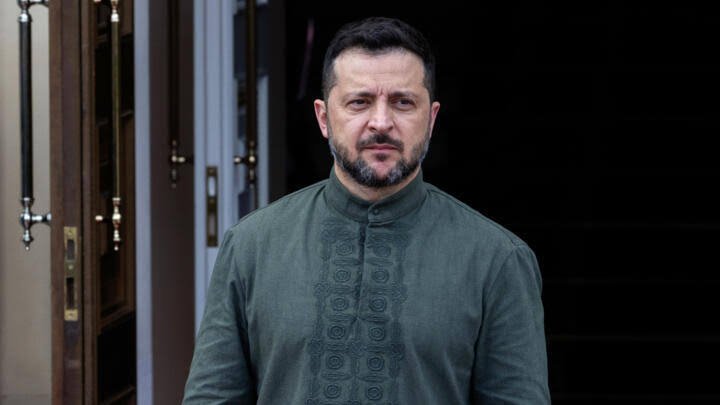
NEW YORK — The United States has drawn a definitive red line in the sands of the Middle East. US Ambassador to the United Nations Mike Waltz delivered a blistering assessment of Iran’s geopolitical standing on Sunday, declaring the regime “completely isolated” in its relentless push to charge illegal Strait of Hormuz fees .
Speaking directly to the rising tensions that have gripped global energy markets, Waltz emphasized that Tehran’s historical leverage over the critical maritime chokepoint is “diminishing by the day.” As the Trump administration tightens its grip on international maritime security protocols, the diplomatic and military showdown in the Persian Gulf has reached a pivotal juncture.
Waltz Issues Warning on Fox News Regarding Strait of Hormuz Fees
During a high-profile Sunday morning interview on Fox News, Ambassador Waltz minced no words regarding the US military’s readiness to counter Iranian aggression. He underscored that the United States will systematically dismantle Iranian military infrastructure if Tehran continues to threaten commercial shipping traffic or exact illegal Strait of Hormuz fees from international vessels.
“If the Iranian regime thinks for a second that President Trump is going to sit by, stand by, while Iran continues to attack international shipping without a response, or our bases without a response, they’re sadly mistaken,” Waltz stated unequivocally.
Waltz confirmed that the United States military will take all necessary steps to neutralize the infrastructure that Iran utilizes to illegally control an international waterway. The ambassador highlighted that recent retaliatory strikes by US Central Command have already sent a loud and clear message to Tehran: the United States will not tolerate the extortion of the global supply chain.
A Diminishing Bargaining Chip: Escaping the Strait of Hormuz Fees
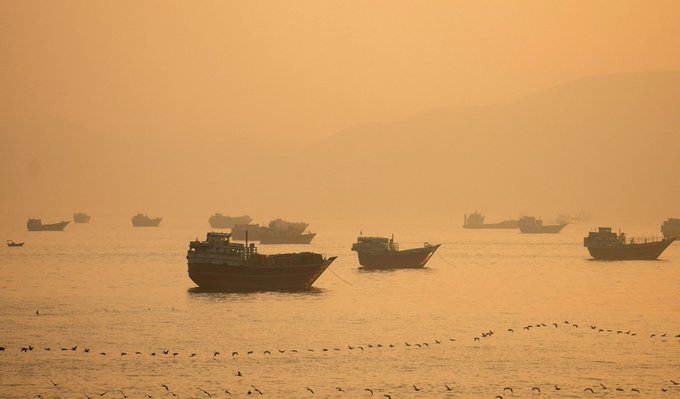
For decades, the Strait of Hormuz has served as Iran’s ultimate trump card. At its peak, the waterway carried roughly one-fifth of global oil and liquefied natural gas (LNG) supplies. Iran has repeatedly threatened to close the strait or extract heavy tolls from commercial vessels navigating its waters, framing these demands as a sovereign right.
However, Waltz pointed out that this strategy is rapidly losing its effectiveness. Regional dynamics are shifting profoundly. Gulf Arab states, fully aware of the economic paralysis a closed strait would cause, have accelerated massive infrastructure projects aimed at bypassing Hormuz entirely. Saudi Arabia, the United Arab Emirates, and Oman are rapidly constructing cross-desert oil pipelines and developing alternative southern shipping lanes.
Washington actively promotes these alternative maritime routes along the coast of Oman. By diverting traffic away from the perilous northern route that Iran seeks to control and tax, the international community systematically strips Tehran of its extortion leverage and renders the proposed Strait of Hormuz fees obsolete.
“Iran’s ability to use the Strait as a bargaining chip will diminish as Gulf Arab states accelerate plans to bypass Hormuz,” analysts echo, reinforcing Waltz’s assessment. Iran now stands completely isolated, with the international community universally condemning its attempts to exact illegal tolls and mine international waters.
The Fragile US-Iran MoU Under Fire over Maritime Tolls
The recent flare-up in hostilities casts a dark shadow over the fragile Memorandum of Understanding (MoU) signed between the US and Iran on June 18. The international community initially hailed the 14-point agreement as a significant step toward lasting peace and a definitive end to direct military confrontation.
President Donald Trump has repeatedly insisted that the MoU guarantees the complete reopening of the Strait of Hormuz without Iran imposing any Strait of Hormuz fees . The United States views any disruption to commercial shipping—whether through drone strikes, illegal detainment, or unilateral transit taxes—as a direct and material violation of this framework.
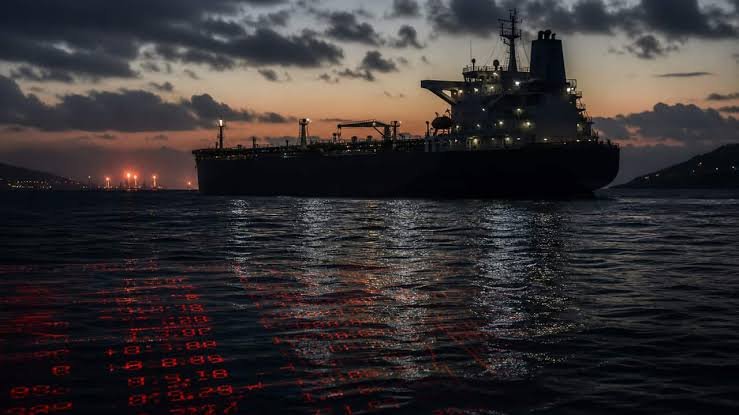
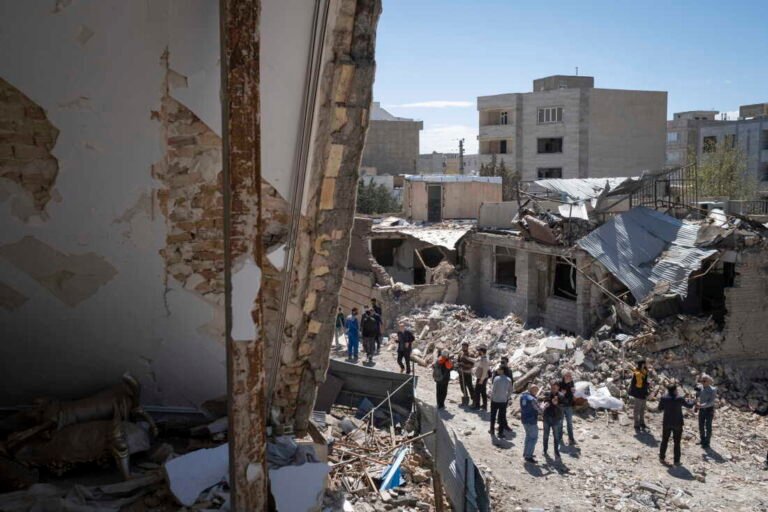
Despite the agreement, violence has surged. Just last week, Iranian forces launched a drone attack against a commercial cargo ship, followed quickly by an attack on a Panama-flagged oil tanker. The United States Central Command responded decisively, executing targeted strikes against multiple Iranian military installations.
Iran’s Islamic Revolutionary Guard Corps (IRGC) retaliated aggressively early Sunday morning, launching a barrage of missiles and drones at American military sites stationed in Kuwait and Bahrain. This rapid escalation threatens to shred the MoU before technical committees can fully implement its provisions. Observers point out that vague language within the agreement has allowed both sides to interpret commitments differently, particularly regarding maritime security and nuclear inspections.
Global Economic Impacts of Imposing Strait of Hormuz Fees
The stakes extend far beyond regional pride. The Strait of Hormuz remains a central artery of global commerce. When Iran actively disrupts shipping and threatens to levy Strait of Hormuz fees , the shockwaves instantly impact global energy markets. Earlier in the conflict, hundreds of massive cargo ships and oil tankers sat stranded, deeply unsettling energy markets. Following the recent US interventions and the clearing of the waterway, tankers have begun moving again, stabilizing oil prices back to pre-conflict levels.
Ambassador Waltz brought the conversation back to fundamental international law during a recent UN Security Council briefing. He invoked a myriad of global standards, including the United Nations Convention on the Law of the Sea, the Hague Conventions, and multiple UN Security Council resolutions, to frame Iran’s actions as undeniable textbook violations.
“Iran’s indiscriminate mining and tolling efforts in the Strait of Hormuz are textbook violations of international law,” Waltz argued before the Council.
He challenged the global community to imagine a scenario where Spain and Morocco arbitrarily mined the Strait of Gibraltar to extract tolls, highlighting the absurdity and illegality of Tehran’s demands. The United States demands that Iran immediately cease its attacks on commercial vessels, remove all explosive mines from the international waterway, halt its illegal tolling operations, and allow humanitarian aid to pass unhindered.
The Trump Administration’s Calculus: Eradicating Illegal Strait of Hormuz Fees
As the conflict intensifies, the Trump administration faces a complex balancing act. While Ambassador Waltz confirmed that technical discussions between Washington and Tehran remain active, primarily focusing on de-escalation protocols in Switzerland, he issued a stark ultimatum regarding American patience.
“President Trump will always give diplomacy a chance,” Waltz explained, “but the president’s patience isn’t going to last forever.”
The ultimate goal of the current administration remains twofold: securing the unfettered flow of global commerce through the Persian Gulf without the burden of Strait of Hormuz fees and ensuring that Iran never achieves nuclear weapons capability. “Don’t think for a second that President Trump isn’t going to leave every option on the table to achieve not just our aim, the entire world’s aim that Iran never has a nuke,” Waltz reiterated.
While the United States pushes for a diplomatic resolution through the newly established “conflict control unit,” the Pentagon remains on high alert. The ongoing military posturing serves as a vital deterrent. Washington continues to build international coalitions, working closely with allies in Manama, Kuwait City, Dubai, Riyadh, and Doha to ensure collective maritime security.
Looking Ahead: The End of an Era for Iranian Leverage?
The coming weeks will prove critical in determining whether the US-Iran MoU survives its first major stress test. If Iran persists in demanding illegal transit taxes and attacking commercial tankers, the United States will likely escalate its military campaign to degrade the IRGC’s coastal infrastructure.
Mike Waltz’s assertive declarations signal a broader strategic shift. The United States and its allies no longer view the Strait of Hormuz as an unavoidable Iranian bottleneck. Through a combination of overwhelming military deterrence, international legal pressure, and the aggressive development of alternative infrastructure by Gulf states, the international community is systematically defanging Iran’s most potent geographic weapon.
Iran’s isolation on the world stage grows starker each time it attacks an unarmed commercial vessel or demands arbitrary Strait of Hormuz fees . As the pipeline bypasses expand and the global coalition tightens its defensive perimeter, Tehran must recognize that its traditional strategies of maritime extortion belong to a bygone era. The world is moving on, and Iran’s leverage in the Strait of Hormuz is truly diminishing by the day.
Reference Links
- US envoy to UN says Iran’s leverage over Hormuz ‘diminishing day by day’ – DAWN
- Escalating tensions threaten US-Iran agreement – VOV World
- Waltz says US will continue to respond if Iran threatens Hormuz shipping – Iran International
- US to continue targeting Iran if Hormuz shipping is threatened: Envoy to UN – Middle East Monitor
- Waltz warns Iran: President Trump’s “patience isn’t going to last forever” – Astro Awani


More