Trump Administration Urges Supreme Court Intervention on Mail Ballot Executive Order

Md.Moshail Ahmed
August 12, 2026
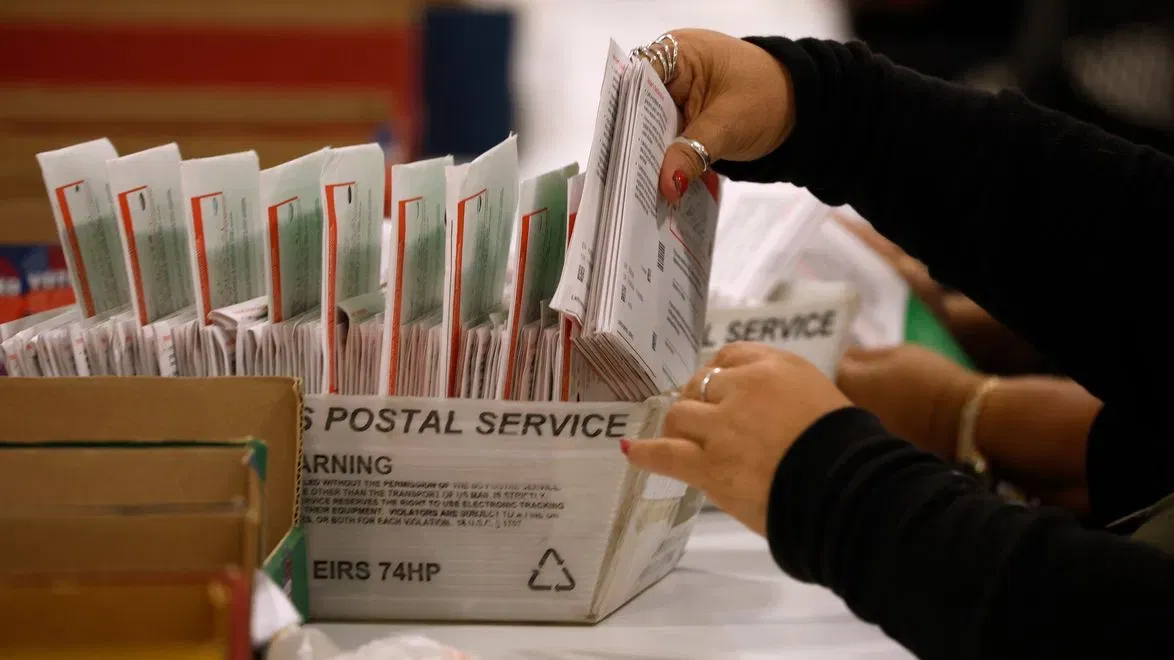
The Trump administration has formally petitioned the U.S. Supreme Court to intervene and lift lower court injunctions blocking a sweeping executive order designed to restrict mail-in voting ahead of the November 2026 midterm elections. Filed by Solicitor General D. John Sauer, the Justice Department’s emergency application seeks to freeze a preliminary injunction issued by U.S. District Judge Indira Talwani in Massachusetts, which barred federal agencies and the U.S. Postal Service (USPS) from enforcing new eligibility requirements and voter roll cross-referencing. The legal showdown marks a major high-court battle over executive power, state election authority, and voting access with fewer than 90 days remaining until voters go to the polls.
Executive Order Seeks Nationwide Changes to Postal Voting
Signed in March 2026, President Donald Trump’s executive order aims to reshape how mail-in ballots are processed and delivered across the United States. Under the order, the Department of Homeland Security and the Social Security Administration are directed to assemble “state citizenship lists” of eligible voters. The directive instructs the USPS to cross-reference state voter rolls and deliver mail-in ballots exclusively to individuals on approved lists while requiring standardized, barcoded security envelopes.
Legal & Administrative Escalation Pipeline
(Chronological progression of the mail-in ballot executive order dispute)
↓
March 2026 Executive Order Issued
(President Trump issues directive mandating citizenship lists and new USPS mail ballot rules)
↓
Legal Challenges Filed
(23 states, D.C., and voting rights groups file lawsuits alleging constitutional overreach)
↓
Federal District Court Injunctions
(Judge Indira Talwani blocks the executive order, citing lack of executive authority over election laws)
↓
Emergency Supreme Court Appeal
(Justice Department requests emergency high-court intervention to lift lower court holds)
↓
August Injunction Expanded
(District court issues fresh injunction specifically barring USPS implementation nationwide)
Democratic attorneys general from 23 states and the District of Columbia, alongside a coalition of voting rights organizations—including the League of Women Voters, the ACLU, and the Brennan Center for Justice—immediately challenged the order. Plaintiffs argued that Article I of the U.S. Constitution vests election regulation authority in state legislatures and Congress, not the executive branch.
“This ruling reinforces the clear language of our Constitution: The president plays no role in our elections and he cannot turn the U.S. Postal Service into a tool for disenfranchising voters. Millions of citizens rely on mail voting, and USPS has no authority to determine which of them should receive ballots.”
— Attorneys representing voting rights plaintiffs, statement released by theACLU
Administration Arguments and Legal Hurdles Before the Midterms
In its 116-page emergency filing, the Justice Department argued that federal courts acted prematurely by enjoining the order while federal agencies were still formulating official guidelines. Solicitor General Sauer contended that the executive order serves as general policy guidance to executive subordinates and does not directly rewrite state election statutes.
However, legal experts and election administrators point out that time is rapidly running out to implement any changes before absentee and mail-in voting commences for the 2026 general election. In court filings, the USPS acknowledged the logistical impracticality of establishing new verification systems and ballot-tracking protocols within the remaining pre-election window. Furthermore, Judge Talwani issued a second preliminary injunction barring the Postal Service from enforcing Section 3 of the executive order nationwide, adding another legal layer that remains active even if the Supreme Court grants the administration’s initial request.
| Legal Dispute Parameter | Details & Operational Status |
| Challenged Directive | March 2026 Executive Order on Mail Voting Restrictions. |
| Core Mandates | DHS/SSA state citizenship lists; USPS restrictions on ballot delivery; barcoded envelopes. |
| Primary Plaintiffs | 23 State AGs + D.C.; League of Women Voters, ACLU, Brennan Center. |
| Current Judicial Status | Enjoined by Federal District Court in Massachusetts; emergency stay pending at Supreme Court. |
| Key Constitutional Issues | Executive authority vs. Elections Clause (Article I, Section 4). |
Sources
- CBS News – Trump asks Supreme Court to step into dispute over mail-in voting executive order
- TIME – Trump Asks Supreme Court to Allow Restrictions on Mail-In Ballots Before Midterms
- Votebeat – Federal judge blocks Trump’s efforts to restrict mail-in voting nationwide
- ACLU – Federal Court Blocks U.S. Postal Service from Implementing Executive Order Restricting Mail Voting
- League of Women Voters – Press Release: Federal Court Blocks US Postal Service from Implementing Executive Order


More