Israel Accused of Violating Security Council Resolution SCR 1701 as Lebanon Strikes Escalate

Jubayer Alam
June 29, 2026
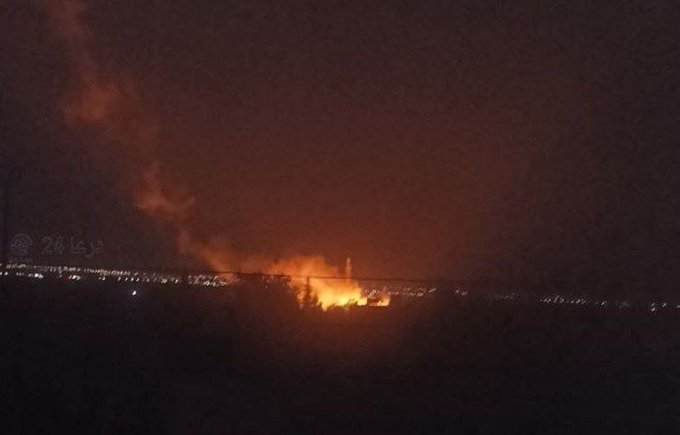
BEIRUT, Lebanon — Nighttime airstrikes continue to illuminate the skies over southern and eastern Lebanon. Consequently, humanitarian agencies are warning of an unfolding catastrophe. Eyewitnesses frequently compare the widespread devastation to historic battlefields. Specifically, local commentators state that this is not Hiroshima or Gaza, but Lebanon at night. Observers accuse military forces of systematically wiping out entire villages. Furthermore, critics claim that Israel is violating Security Council resolution SCR 1701 with absolutely no consequences from the international community.
The situation remains highly volatile. Initially, a fragile ceasefire agreement had offered a brief glimmer of hope to residents. However, recent military operations have severely fractured that truce. According to Lebanese officials, the ongoing attacks violate international law. In addition, they argue the bombardment directly undermines long-standing diplomatic frameworks. As a result, grassroots outrage is mounting globally over the lack of immediate international intervention.
The Collapse of the Ceasefire and Resolution SCR 1701
The United Nations Security Council originally adopted Resolution 1701 in 2006. This historic resolution aimed to maintain peace along the Blue Line. Specifically, it mandated that only the Lebanese Army and UN peacekeepers should hold weapons in southern Lebanon. For years, the framework managed to prevent a full-scale regional war. However, recent developments in 2026 have pushed the agreement to its absolute breaking point.
Military activity has intensified significantly over the last several weeks. For example, local sources report that airstrikes frequently target civilian infrastructure during the late-night hours. Because of this, several border villages have been completely leveled. Lebanese diplomatic representatives argue that Israel is openly violating Security Council resolution SCR 1701 by launching these offensive campaigns. Meanwhile, the Israeli military maintains that its operations are strictly defensive measures against hostile non-state actors.
Severe Humanitarian Impact on Lebanese Villages
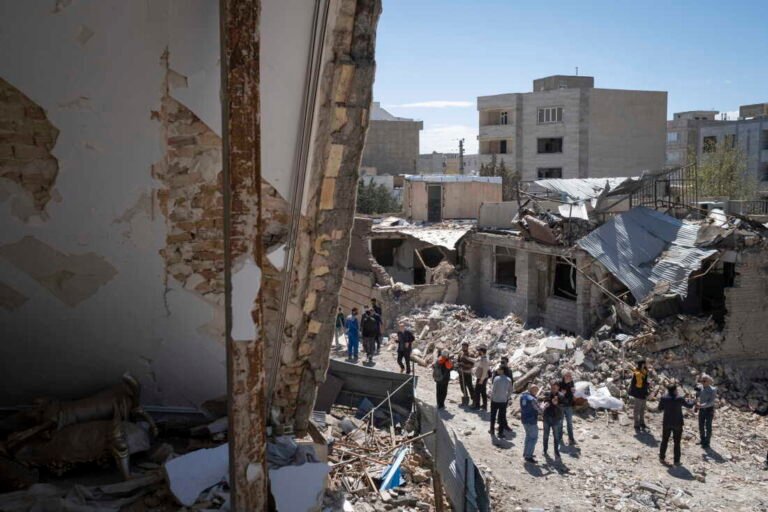
The scale of the destruction has caught the attention of global human rights groups. Entire residential blocks have been reduced to rubble within minutes. Consequently, thousands of families are fleeing their homes in search of safety.
The humanitarian crisis has advanced rapidly through several alarming stages:
- Initial Displacements: First, families in border towns fled northward to escape sudden artillery shelling.
- Widespread Destruction: Subsequently, heavy aerial bombardments systematically destroyed entire village centers at night.
- Shelter Crises: Next, major urban centers like Beirut faced immense pressure due to overcrowding in public shelters.
- Supply Shortages: Finally, blockades and destroyed roads disrupted the delivery of vital medical supplies and clean food.
Local doctors report that hospitals are completely overwhelmed. In addition, emergency rescue teams cannot safely reach affected areas due to continuous drone activity. This ongoing blockade leaves thousands of vulnerable civilians trapped without access to electricity, water, or basic emergency services.
Understanding the Legal and Diplomatic Battle
Beyond immediate territorial control, a fierce legal debate anchors this conflict. International legal advocates point directly to the Geneva Conventions. They emphasize that the targeted destruction of civilian areas violates international humanitarian law. Therefore, Lebanese officials are calling for an emergency session of the United Nations Security Council.
The international community remains deeply divided on how to respond. For instance, several European nations have strongly condemned the loss of civilian life. Conversely, other powerful global actors have blocked formal resolutions aimed at imposing immediate sanctions.
“Wiping out entire villages without accountability shatters the rules-based international order. Furthermore, it sets a dangerous precedent for global diplomacy.”
United Nations watchdogs have repeatedly shared this warning during press briefings in New York. However, the lack of enforceable consequences has emboldened military strategists. Consequently, local populations feel completely abandoned by global institutions. They note that ceasefire agreements seem to offer no real protection against nighttime bombardments.
Strategic Priorities and the Path Ahead
In response to the growing global outcry, regional political actors are adjusting their strategic priorities. The Lebanese government is attempting to rally international diplomatic support. Meanwhile, military officials insist that operations will continue until their security objectives are met.
| Political Actor | Core Strategic Priority | Stance on Resolution SCR 1701 |
| Lebanese Government | Immediate ceasefire, civilian protection, and sovereignty. | Demands full compliance and accuses Israel of violating Security Council resolution SCR 1701. |
| Israeli Military | Neutralizing border threats and establishing security zones. | Claims actions are lawful self-defense against non-state groups. |
| United Nations Security Council | Regional stability and preventing wider conflict escalation. | Calls on all parties to respect international law and halt hostilities. |
Political analysts note that the complete collapse of Resolution 1701 could trigger a much wider regional war. Therefore, global mediators are working urgently behind the scenes to draft a new diplomatic framework. However, achieving a lasting peace agreement requires a complete cessation of offensive military operations. Until both sides commit to verifiable de-escalation, public pressure will continue to mount globally. The world continues to watch Lebanon closely, recognizing that global security depends heavily on enforcing international law.
Reference Links
- United Nations: Security Council Resolution 1701 Framework and Implementation
- Reuters: Escalating Nighttime Air Strikes Trigger Mass Displacement in Southern Lebanon
- Al Jazeera: Lebanese Villages Leveled Amid Claims of Ceasefire Agreement Breaches
- Human Rights Watch: International Law and Civilian Protection Failures in Regional Conflicts



More