Monsoon Fury: Red Alert Issued as Severe Mumbai Monsoon Flooding Chaos Paralyzes Financial Capital

Aderson Aiden
July 1, 2026
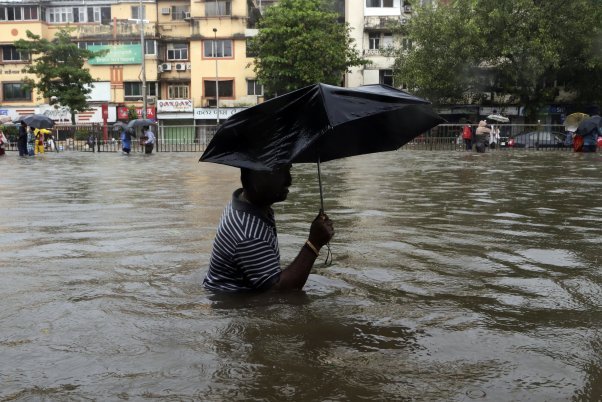
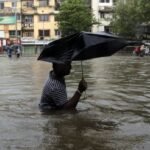
The delayed southwest monsoon has finally hit India’s financial capital with devastating force. On July 1, 2026, a severe wave of Mumbai monsoon flooding chaos brought the metropolitan region to a virtual standstill. Torrential overnight downpours dumped over 100 mm of rain across the city in less than 24 hours. Therefore, the India Meteorological Department (IMD) quickly upgraded its weather warning to a maximum Red Alert for Mumbai, Thane, and Palghar districts.
The sudden deluge rapidly overwhelmed the city’s aging drainage network, which trapped thousands of morning commuters. Because the storm water drains overflowed within hours, water levels rose dangerously in multiple low-lying residential belts. Consequently, these rising waters forced local administrative bodies into emergency mode.
Key Transit Arteries and Rail Networks Submerged
The heaviest spells battered the eastern and western suburbs. As a result, the rain caused immediate structural and transit failures. For millions of daily commuters who rely on Mumbai’s lifeline transit infrastructure, the morning journey turned into a total logistical nightmare.
Indeed, the immediate impact of the Mumbai monsoon flooding chaos severely crippled the city’s transport network:
- Subway Closures: Authorities entirely shut down the critical Andheri subway. This occurred after floodwaters submerged the underpass under five feet of water. Meanwhile, municipal workers quickly deployed high-capacity pumps to drain the area.
- Local Train Delays: Suburban rail services on the Central and Western lines suffered intense delays. Most trains ran 15 to 30 minutes late. Furthermore, a broken overhead wire temporarily paralyzed the Harbour line.
- Road Gridlock: Major thoroughfares, including the Sion-Panvel Highway and the Eastern Freeway, reported bumper-to-bumper traffic. This gridlock happened due to poor visibility and deep water accumulation.
Schools Closed and Casualties Reported Amid Severe Weather
Due to the worsening forecast, the Palghar district administration proactively declared a holiday for all schools and colleges. However, the heavy rains successfully replenished Mumbai’s abysmally low drinking water reservoirs. This welcome inflow caused Powai Lake to overflow early in the morning. Even so, the human cost of the storm has cast a dark shadow over the season’s arrival.
| Region / District | Active IMD Alert Level | Primary Operational Impact |
| Mumbai Metro | Red Alert (Extremely Heavy Rain) | Severe Mumbai monsoon flooding chaos; widespread local train delays. |
| Palghar District | Red Alert (Extremely Heavy Rain) | All educational institutions officially ordered closed; localized evacuations. |
| Thane District | Orange Alert (Heavy to Very Heavy Rain) | Severe waterlogging across residential belts; widespread tree collapses. |
Tragically, civic officials confirmed that the storm killed an 11-year-old student in the suburb of Chembur. Fierce winds uprooted a massive tree, which collapsed directly onto a school bus. The incident also injured five other students. Therefore, State School Education Minister Dadaji Bhuse ordered an immediate safety audit of vulnerable trees across Maharashtra.
Civic Response and Emergency Guidelines
Because the IMD predicts heavy downpours to persist over the next 48 hours, the Brihanmumbai Municipal Corporation (BMC) has placed all disaster management cells on high alert. Emergency rescue teams equipped with inflatable boats and dewatering machinery now occupy chronic flooding spots like Hindmata, Sion, and Kurla.
“We are appealing to all citizens to avoid venturing outdoors unless it is absolutely necessary,” a BMC disaster management spokesperson stated. “A high tide will complicate drainage into the Arabian Sea later this evening. Thus, staying clear of waterlogged areas and open manholes remains vital for public safety.”
Long-Term Weather Outlook
Ultimately, this intense start to July marks a dramatic shift for Western India. The region previously suffered through an unseasonably dry and humid June. While the intense downpour successfully ended the region’s acute water shortage, it highlights the ongoing vulnerability of Mumbai’s urban infrastructure. Moving forward, municipal engineers face an uphill task. They must balance the city’s desperate need for reservoir water against the immediate threat of catastrophic urban flooding.