25 States Sue Trump Administration Over New Tariffs

Aderson Aiden
August 5, 2026
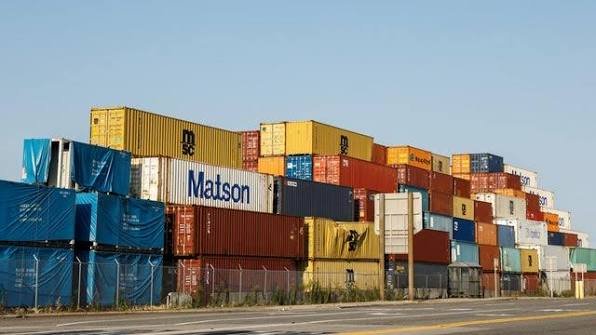
A coalition of 25 Democratic-led U.S. states has officially launched a legal challenge against the latest round of Trump tariffs, asking the U.S. Court of International Trade to halt the new duties and declare them unlawful. Consequently, the Trump tariff lawsuit is drawing intense scrutiny as state leaders argue that the administration exceeded its constitutional authority in imposing these taxes on 60 global economies. (For more context on international trade regulations and executive authority, review our internal Trade Policy Analysis reports).
The Legal Arguments Behind the Trump Tariff Lawsuit
The foundation of the dispute centers on the administration’s use of Section 301 of the Trade Act of 1974 to impose tariffs ranging from 10% to 12.5%. The Trump administration justifies these US tariffs 2026 by claiming the 59 targeted countries and the European Union have not done enough to crack down on imports produced using forced labor.
However, the states involved—led by New York—argue this justification is a pretext to replace previous global tariffs that the Supreme Court struck down earlier in February.
Tariff Implementation and Legal Pushback Framework
(How the latest trade conflict unfolded)
↓
Previous Tariffs Struck Down
(Supreme Court blocked the administration’s earlier reciprocal global tariffs in February)
↓
Section 301 Forced Labor Tariffs
(Administration imposes 10% to 12.5% tariffs on 60 economies over forced labor concerns)
↓
State Coalition Lawsuit
(25 states file suit in the US Court of International Trade to block the new levies)
State officials assert that the administration conducted a rushed, two-and-a-half-month investigation to achieve a predetermined outcome. They contend these duties function as an illegal tax that will drastically increase the cost of groceries, household essentials, and building materials for American families.
“After losing at the Supreme Court, the administration is once again trying to illegally raise taxes on families and businesses with a new round of tariffs… the law and our Constitution are clear that the president does not have the power to impose sweeping tariffs on whatever countries he wants.”
— Letitia James, New York Attorney General, quoted byThe Guardian
Examining the Impact of Tariffs Today
Looking at tariffs today, this sweeping executive action affects economies that account for over 99.4% of all U.S. imports. The White House continues to defend the legality of the measure. According to a spokesperson, foreign failures to effectively prohibit forced labor goods unreasonably burden U.S. commerce, and Section 301 remains a legally durable tool to address these issues.
The lawsuit marks the third attempt by states to fight what they perceive as the administration’s misuse of executive power regarding trade policy. The participating states are not only demanding the tariffs be set aside but are also seeking refunds for duties that have already been paid by businesses.
| Indicator | Lawsuit Details |
| Plaintiff Coalition | 25 U.S. states, including New York, California, and Illinois. |
| Tariff Scope | 10% to 12.5% duties applied to 59 countries and the EU. |
| Legal Venue | Lawsuit filed in the U.S. Court of International Trade. |
| Primary Argument | The use of Section 301 (forced labor) is an illegal pretext to enact sweeping taxes without Congressional approval. |
Sources
- The Guardian – US states sue Trump administration over new tariffs on 60 trading partners
- Washington Examiner – Twenty-five states sue Trump administration over latest round of global tariffs
- CBS News – 25 states sue Trump administration over latest round of tariffs
- Hindustan Times – ‘He has no legal authority’: Why 25 US states challenged Trump tariffs on 60 countries, including India
- Anadolu Ajansı – 25 US states sue Trump administration over ‘unlawful’ global tariffs