Oil Tanker Hit in Strait of Hormuz: What Happened and Why It Matters

Aderson Aiden
July 29, 2026
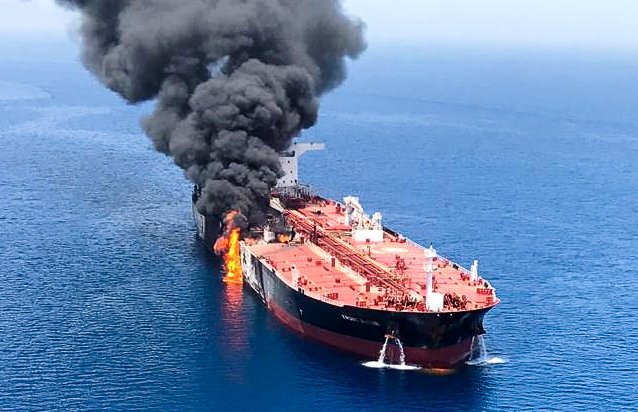
Maritime security fears are escalating across the Middle East. Consequently, a sudden Strait of Hormuz oil tanker attack has sent global oil prices surging on international exchanges. An oil tanker exploded after hitting a naval mine in the strategic waterway. Therefore, shipping operators immediately halted commercial transits through key navigation lanes. Meanwhile, Iranian state media reported that the vessel deviated from approved corridors. However, Western defense officials warn that growing maritime hazards endanger global energy markets.
Explosive Incident Triggers Immediate Security Alerts
In the strategic waterway, the vessel suffered severe damage following an explosion. Furthermore, nearby naval patrols rushed to render assistance and assess the damage. Reporting on the incident, regional maritime authorities confirmed that the blast disrupted commercial shipping lanes instantly.
Meanwhile, energy traders responded swiftly to the threat of broader supply chain disruptions.
“The Strait of Hormuz remains the single most critical chokepoint for global energy supplies. Consequently, any strike against commercial shipping immediately triggers global market instability.”
— Senior Maritime Energy Analyst, Middle East Defense Institute
Ultimately, this explosive incident highlights deep fragility across regional shipping corridors. Smoke billowed from the damaged vessel. Moreover, surrounding commercial fleets scrambled to alter their planned transit routes.
Analyzing the Drivers Behind the Strait of Hormuz Oil Tanker Attack
Security experts attribute the escalation to unresolved diplomatic friction between Washington and Tehran. Indeed, Iranian forces recently instituted strict rules for transit through the narrow passage. Nevertheless, commercial shipping lines struggle to navigate these shifting regulatory demands. Specifically, the latest Strait of Hormuz oil tanker attack underscores how quickly localized maritime friction impacts global trade.
Currently, naval coalition forces are surveying the waterway for additional explosive hazards. These specialized teams aim to secure international shipping routes against unmapped mines. Because of these heightened risks, maritime insurers raised war-risk premiums for Persian Gulf transits. As a result, global energy buyers face escalating transportation costs.
For further analysis on energy security, explore our Global Oil Market Reports. Alternatively, read about international navigation rights under Maritime Defense Analysis.
Long-Term Economic Impacts as Global Oil Prices Rise
International leaders continue calling for de-escalation along key energy transport corridors. Additionally, major oil-importing nations are evaluating emergency crude reserves to stabilize domestic prices. Officials emphasize that maintaining open sea lanes remains essential for global economic stability. We also observe growing pressure on international bodies to enforce freedom of navigation.
Without sustained diplomatic breakthroughs, maritime security risks will persist. Consequently, recurring shipping disruptions will continue driving global oil prices higher.
Key Takeaways
| Indicator | Impact Details |
| Primary Incident | An oil tanker exploded after striking a mine in the Strait of Hormuz. |
| Market Reaction | Global oil prices jumped as shipping firms paused transit through the strait. |
| Security Response | Maritime authorities raised transit threat levels and deployed mine-clearing units. |